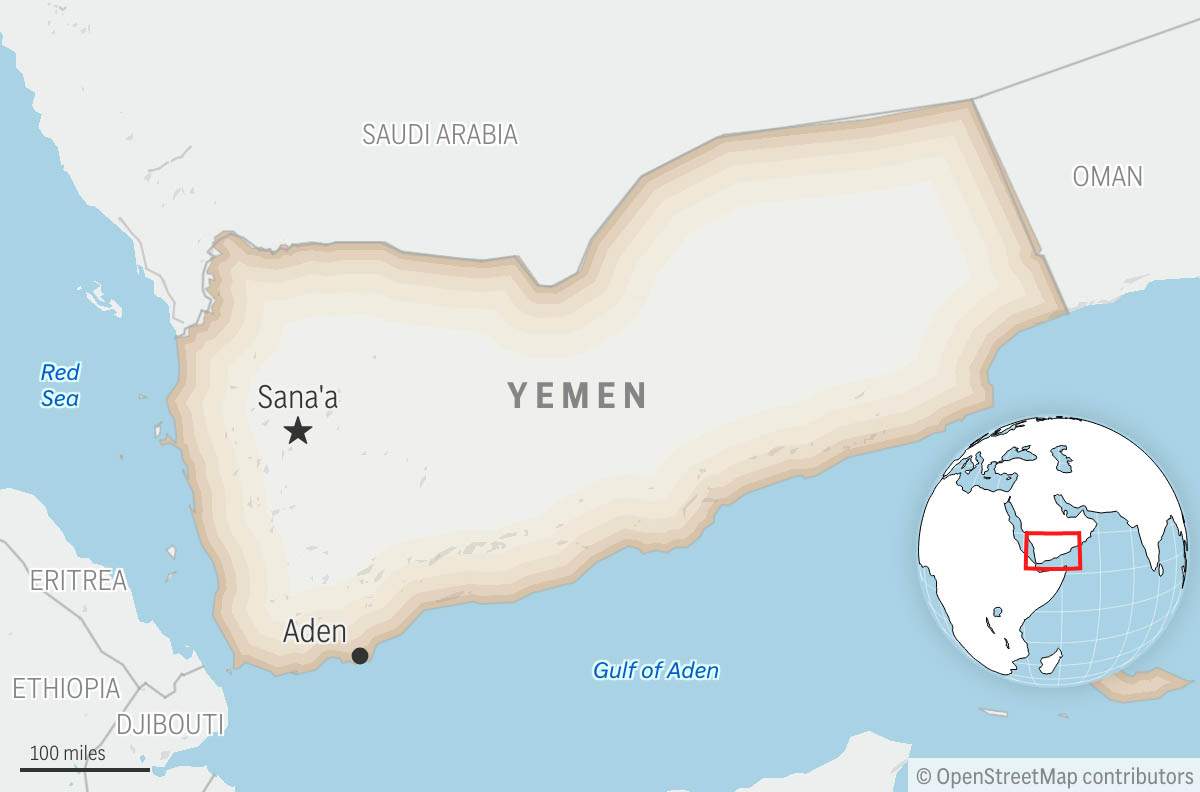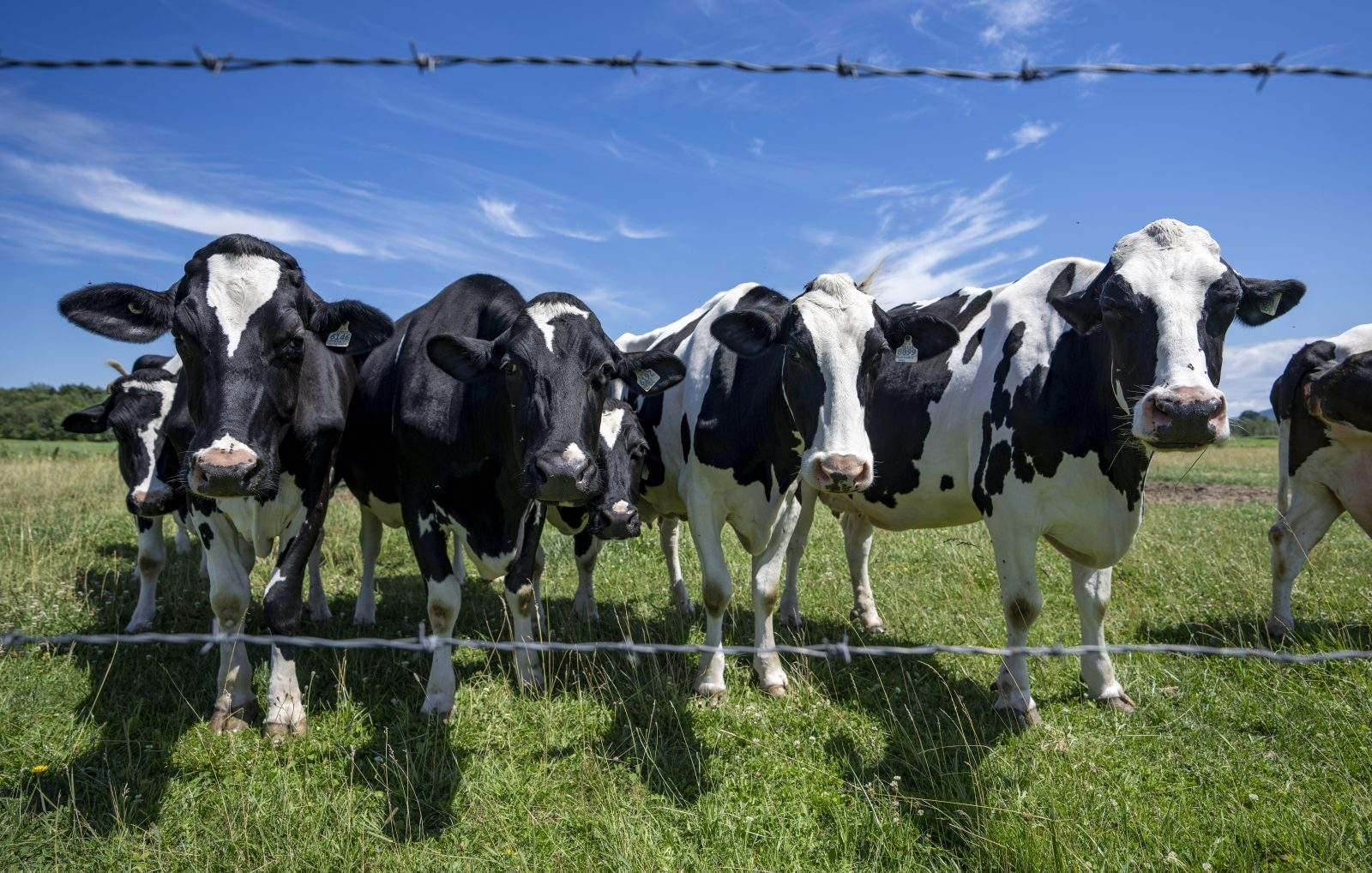
Quebec agricultural and public health authorities have confirmed a case of rabies in a domestic cow, signaling a dangerous spillover event from an ongoing raccoon rabies outbreak along the province's southern border. The infection proves that the virus has breached wildlife containment zones and entered the agricultural supply chain, forcing immediate quarantine protocols, herd monitoring, and emergency vaccination sweeps across the Montérégie and Estrie regions. While rabies in cattle rarely triggers cow-to-cow transmission, a single infected animal creates severe human exposure risks for farm workers and veterinarians, threatens milk and meat supply protocols, and exposes the fragility of cross-border wildlife barriers.
The confirmation did not happen in a vacuum. For months, wildlife biologists and provincial inspectors have tracked a steady northward push of the raccoon rabies variant from the northeastern United States into southern Quebec. When a terrestrial virus jumps from a forest scavenger like a raccoon into a 1,400-pound dairy or beef cow, the rules of containment change overnight.
Why Cattle Are the Ultimate Spillover Sentinels
Raccoons and cattle share more real estate than most consumers realize. Pastureland in southern Quebec borders dense woodlots, cornfields, and riparian corridors where raccoons thrive. During late summer and autumn, raccoons forage aggressively in agricultural zones, drawn by spilled grain, silage bunkers, and barn rafters.
A rabid raccoon loses its natural fear of larger animals. Instead of fleeing a herd of grazing Holsteins, an infected raccoon will stumble into a pasture or barn alley in broad daylight and bite the nearest muzzle or lower leg. Cattle are naturally curious. They investigate novel animals by sniffing them, placing their sensitive noses directly within striking distance of a disoriented, aggressive vector.
Once the virus enters the tissue, the clock starts ticking. Raccoon rabies travels along peripheral nerves toward the central nervous system at a slow, deliberate pace—roughly one to two centimeters per day. Because a cow's muzzle is relatively close to its brain, symptoms often appear within three to six weeks, though incubation can stretch longer depending on the bite location.
Farmers rarely spot the initial bite. A small puncture wound on a cow's nose or fetlock disappears under mud, hair, and manure within hours. By the time the animal exhibits neurological distress, the virus has already reached the salivary glands.
Recognizing the Clinical Illusion
Veterinarians frequently warn that bovine rabies is the great imitator of livestock medicine. Unlike the Hollywood stereotype of a foaming, hyper-aggressive beast, a rabid cow often presents with subtle, confusing symptoms that mimic common metabolic or digestive disorders.
- The "Choke" Illusion: Paralysis of the pharyngeal muscles causes excessive salivation and an inability to swallow. A farmer or vet reaching into the cow's mouth without heavy arm-length sleeves to clear a suspected apple, potato, or foreign object faces direct exposure to infectious saliva.
- Sudden Behavioral Shifts: A normally docile dairy cow may become unusually alert, stare blankly, bellow continuously with a hoarse, altered voice, or show sudden aggression toward handlers and herd mates.
- Hind-Limb Weakness: Ascending paralysis often begins in the hindquarters, causing knuckling of the fetlocks, swaying, and eventual collapse—symptoms easily mistaken for milk fever, hardware disease, or spinal trauma.
- Tenemus and Straining: Persistent straining that mimics severe constipation or calving complications frequently prompts physical internal examinations, creating another high-risk exposure pathway for farm personnel.
By the time laboratory testing confirms the rabies virus via direct fluorescent antibody examination of brain tissue, dozens of people may have already handled the animal.
How the Virus Breached the Border Buffer
To understand how a Quebec cow contracted raccoon rabies, you have to look at the geography of viral containment. The raccoon variant of rabies is not native to Canada. It emerged in Florida in the 1940s and marched north along the Atlantic seaboard over four decades, reaching New York and Vermont in the 1990s.
For twenty years, a cooperative biological firewall kept the virus largely at bay. Provincial agencies in Quebec, alongside federal partners and U.S. wildlife services, maintained an intensive oral rabies vaccination (ORV) zone along the 45th parallel. Every year, low-flying aircraft and ground crews distributed hundreds of thousands of sweet-smelling bait packets containing liquid vaccine across wooded areas in Montérégie, Estrie, and northern New York and Vermont.
Raccoons eat the bait, puncture the internal blister pack, and absorb the vaccine through their oral mucosa, developing immunity.
The system works, until it doesn't. Containment lines fail for predictable, mechanical reasons.
- Urban and Suburban Refuges: Raccoons reach extraordinarily high population densities in towns and agricultural villages where aerial baiting is restricted or complicated by human presence. Unvaccinated pockets act as viral reservoirs.
- Transport Hitchhikers: Raccoons regularly climb into transport trucks, railcars, and agricultural trailers parked overnight in endemic U.S. states, riding straight past aerial bait zones into the heart of Quebec before hopping off.
- Ecological Shifts: Milder winters and abundant row crops boost raccoon survival rates and litter sizes, steadily diluting the percentage of immune animals in a given territory until herd immunity drops below the threshold required to stop transmission.
Once a cluster of rabid raccoons establishes itself north of the primary bait line, spillover into domestic animals becomes a mathematical certainty. Past outbreaks in Ontario and New Brunswick demonstrated the exact same trajectory—wildlife cases spike first, followed inevitably by infections in outdoor cats, dogs, horses, and cattle.
The Economic and Regulatory Fallout on the Farm
When Quebec's Ministry of Agriculture, Fisheries and Food (MAPAQ) and the Canadian Food Inspection Agency (CFIA) confirm rabies in a livestock operation, the regulatory machinery moves with blunt force. There is no treatment for clinical rabies in animals, and public health takes absolute precedence over farm operations.
The affected farm immediately goes under strict quarantine. Inspectors trace the movement of every animal on and off the property over the preceding weeks. Any herd mates suspected of having contact with the infected raccoon—or exhibiting unexplained wounds—face stark options: immediate euthanasia or prolonged, strictly isolated quarantine periods lasting up to six months.
Milk and Meat Safety Protocols
Consumers invariably panic when livestock diseases hit the headlines, yet the biological reality of rabies transmission in food products is clear-cut. The rabies virus is fragile outside a living host. It dies rapidly when exposed to sunlight, desiccation, or standard pasteurization temperatures.
However, regulatory protocols leave zero margin for error. Milk from a rabid cow—and any milk mixed with it in the bulk tank prior to diagnosis—is strictly prohibited from entering the human food chain or being fed to calves. While standard pasteurization destroys the virus, provincial and federal health authorities mandate the destruction of suspect milk supplies as an absolute precaution against raw milk consumption or processing failures.
Meat from an infected animal is equally barred from slaughterhouses. Because the virus concentrates in nervous tissue—the brain, spinal cord, and ganglia—and spreads to salivary glands and organs during the final stages of disease, carcasses of confirmed or suspect cases must be incinerated or buried under strict biosecurity supervision to prevent scavengers from feeding on the remains and restarting the transmission cycle.
For a working dairy or beef producer, the financial hit extends beyond the loss of a single animal. Herd quarantines disrupt breeding schedules, halt cattle sales, require expensive veterinary inspections, and force the uncompensated disposal of milk. Unlike diseases such as foot-and-mouth disease or bovine tuberculosis, which trigger massive federal compensation frameworks, rabies losses often leave individual farmers absorbing substantial operational costs unless specific provincial disaster clauses are triggered.
The Human Exposure Equation
The deadliest risk of a rabid cow is not to the rest of the herd. Cattle are dead-end hosts; they rarely bite other cows with enough force to transmit the virus efficiently. The true danger lies in the intimate, hands-on nature of livestock farming.
A dairy farmer works inches away from their cows twice a day. They check udders, administer oral medications, clear airways, and assist with births. When a cow is sick, the farmer's instinct is to help immediately, often with bare hands.
In every confirmed bovine rabies case across North America, public health nurses end up conducting exhausting contact-tracing investigations. A single rabid cow routinely triggers post-exposure prophylaxis (PEP) for 10 to 30 people—farmers, spouses, children who helped in the barn, hoof trimmers, artificial insemination technicians, and attending veterinarians.
Modern PEP—consisting of human rabies immune globulin injected around the exposure site followed by a series of four vaccine doses over two weeks—is nearly 100 percent effective when administered before symptoms begin. Yet it is expensive, logistically demanding for rural clinics, and emotionally taxing for families waiting out the incubation window.
Why Routine Livestock Vaccination Remains Rare
If a safe, effective rabies vaccine exists for cattle, why aren't all herds in southern Quebec vaccinated? The answer comes down to cold agricultural economics and risk calculation.
In commercial livestock operations, every dollar spent on inputs must yield a measurable return. Dairy and beef margins operate on razor-thin percentages. Farmers routinely vaccinate against high-probability, economically devastating pathogens like bovine viral diarrhea (BVD), infectious bovine rhinotracheitis (IBR), and clostridial diseases.
Rabies, historically, has been viewed as a low-probability statistical outlier. Vaccinating a 200-head dairy herd annually requires purchasing killed-virus rabies vaccines, paying veterinary administration fees, and absorbing the labor cost of handling every animal—all to prevent a disease that might strike a region once a decade.
When an outbreak flares up, that math flips instantly. Veterinarians in Montérégie and Estrie are now urging producers with pastured cattle—especially valuable breeding stock, show animals, and herds grazing near wooded borders—to reconsider routine immunization. A single dose of licensed bovine rabies vaccine costs a fraction of the value of a productive milking cow and provides critical liability protection for the farm owner.
Biosecurity Measures That Actually Work
Vaccinating livestock is only one layer of defense. Farm operators in active raccoon rabies zones have to harden their properties against wildlife intrusion, though keeping raccoons out of an open-air barn is notoriously difficult.
- Secure Feed Storage: Raccoons are drawn to farms by calories. Tightly sealing grain bins, covering silage faces properly, and cleaning up spilled total mixed ration (TMR) around feed bunks removes the primary attractant pulling wildlife into livestock housing.
- Barn Exclusion: Closing off upper loft openings, repairing broken siding, and capping vents prevents raccoons from denning inside barns directly above cattle stalls.
- Pet Immunization: Barn cats and farm dogs act as the frontline buffer between forest wildlife and the farm family. Keeping every dog and cat on the property strictly up to date on rabies vaccinations prevents the most common bridge of human exposure.
- Immediate Reporting: Any raccoon seen wandering during daylight hours, appearing paralyzed, acting aggressively, or losing its fear of humans must be reported immediately to provincial wildlife authorities rather than handled or disposed of casually.
The Long Grind of Outbreak Containment
Confirming rabies in a cow marks an escalation, not an isolated freak accident. History shows that once raccoon rabies breaches a containment barrier in southern Canada, eliminating it takes years of relentless, expensive intervention.
During Ontario's massive raccoon rabies outbreak that began in Hamilton in 2015, provincial authorities had to distribute millions of vaccine baits by hand, helicopter, and fixed-wing aircraft over multiple years, logging hundreds of confirmed cases across raccoons, skunks, and domestic animals before driving the virus back down.
Quebec faces the exact same trench warfare. Wildlife crews must expand their trap-vaccinate-release (TVR) perimeters, saturate high-risk agricultural corridors with oral vaccine baits, and rely on farmers and residents to report every suspicious wildlife encounter. Until the immunity wall in the wild raccoon population is rebuilt, every pasture border along the southern frontier remains an active biological fault line, and every sick cow displaying neurological signs must be treated as a potential biohazard until proven otherwise.