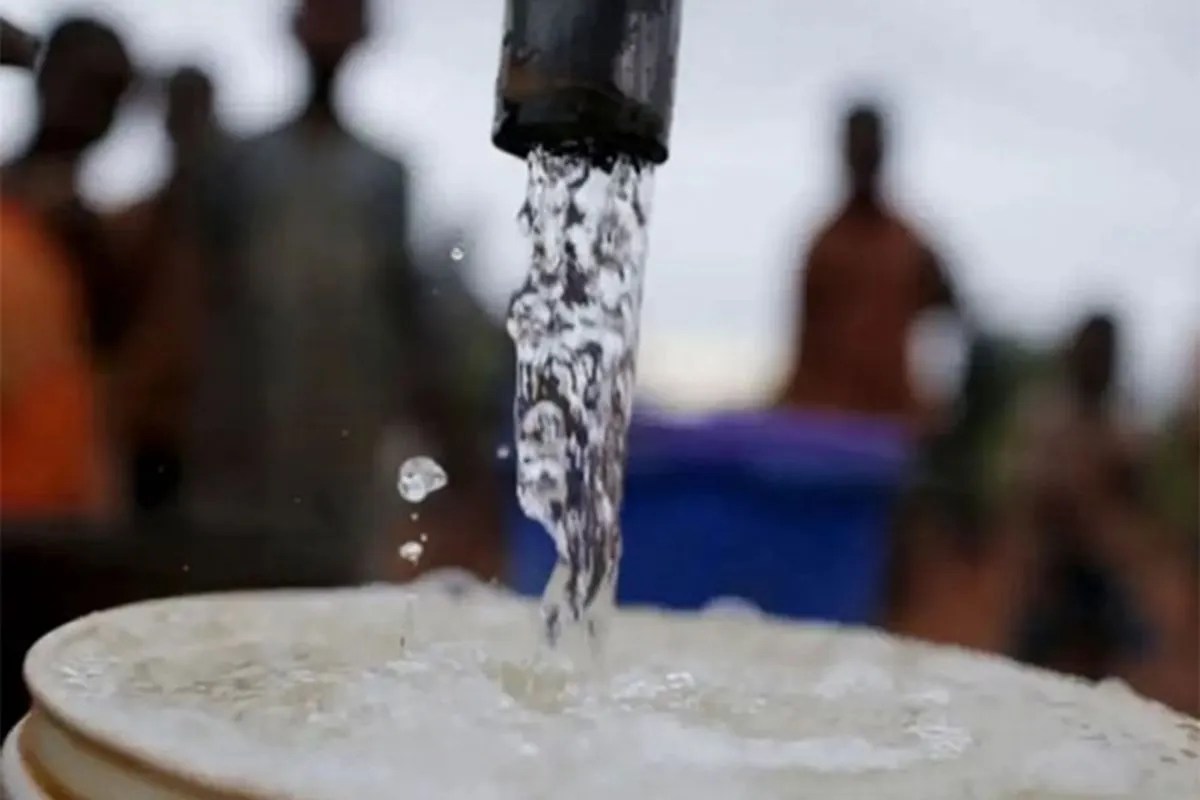
Four young people died within a single month across Sarai Kharboza, Dhoke Abbasi, and Mohalla Usmania on the outskirts of Islamabad, turning routine municipal tap water into a suspected killer. Families reported rapid deterioration and severe liver failure in at least one case, while residents demanded independent laboratory testing and official answers.
Those four deaths did not emerge from a freak anomaly. They exposed a systemic failure in Pakistan’s water governance, where aging pipes, over-pumped aquifers, and weak enforcement leave millions drinking contaminated water every day.
Four Outskirts Deaths Expose A Capital Illusion
Islamabad is built to project order, planning, and administrative competence. Out on its periphery, that facade fractures quickly.
Residents in Sarai Kharboza, Dhoke Abbasi, and Mohalla Usmania watched four young lives end within weeks without clear toxicological closure. Local clinicians, including Dr. Gul Khan of Sangjani Hospital, pointed to familiar suspects in peri-urban districts: sewage leaking into drinking water lines and polluted groundwater feeding household taps.
When water safety breaks down on the edge of the federal capital, every other city in the country faces a sobering question. If the seat of government cannot guarantee clean water on its own fringes, what is happening in industrial corridors and secondary towns with far thinner budgets?
A single tragic cluster often triggers a brief flurry of statements and pledges. Yet laboratory monitoring by the Pakistan Council of Research in Water Resources (PCRWR) shows that unsafe water in Pakistan is a chronic baseline rather than an isolated shock.
How Sewage And Over-Pumping Turn Taps Hazardous
Contamination rarely begins at one dramatic point. It builds through two everyday engineering failures: cross-contamination in distribution networks and unregulated groundwater extraction.
Water lines and sewage channels frequently run too close together in congested or rapidly expanding neighborhoods. When supply is intermittent—a standard feature of pressured municipal grids—pressure drops inside water pipes. Cracked joints or corroded fittings can pull surrounding sewage and surface runoff straight into the supply line.
Below ground, the picture is equally grim. Pakistan extracts groundwater at an intense pace across the Indus Basin, driving water tables down year after year in major urban centers. As aquifers drop and land use shifts, wells become more vulnerable to microbial pathogens, excess nitrates, high total dissolved solids, and geogenic toxins such as arsenic and fluoride.
| Contamination Pathway | Primary Mechanism | Typical Health Risk |
|---|---|---|
| Leaking water mains | Intermittent pressure draws sewage through pipe cracks | Acute gastrointestinal illness, hepatitis, typhoid |
| Polluted shallow aquifers | Septic seepage, runoff, and over-pumping | Bacterial infection, nitrate and chemical exposure |
| Geogenic groundwater toxins | Natural mineral leaching in deep or stressed aquifers | Chronic arsenic and fluoride toxicity over years |
| Unmonitored bottled refills | Lax quality control in commercial and local bottling | Persistent microbial and chemical exposure |
Boiling water kills bacteria and viruses, which makes it a vital short-term defense during suspected microbial outbreaks. Boiling does not remove heavy metals or dissolved chemical salts, and in some cases evaporation concentrates solutes slightly. That distinction matters whenever authorities or households treat boiling as a cure-all.
Why Bottled Water Is No Guaranteed Escape
When trust in municipal taps collapses, families buy bottled water. That market has expanded across Pakistani cities precisely because people fear what comes out of the wall.
Yet PCRWR quarterly testing of bottled water brands has repeatedly shown that a commercial label does not guarantee safety. Some bottled or vended water fails microbiological or chemical standards too, leaving households paying twice—first for unreliable municipal supply or electricity to pump groundwater, and again for water that still carries risk.
There is also an uncomfortable equity divide. Wealthier households can afford multi-stage home filtration, regular filter replacements, or private tankers. Lower-income families on urban outskirts often rely on shallow wells, community taps, or cheaper unverified water sources, absorbing the sharpest health costs.
Governance Gaps Behind Chronic Water Failure
Water crises are routinely blamed on population growth or climate shifts. Those pressures are real, yet weak institutional accountability turns manageable stress into public health harm.
Responsibility for water and sanitation is split across agencies, municipal bodies, and regulatory frameworks that often lack enforcement teeth or consistent public reporting. When a test fails in one neighborhood, repairs may patch a visible leak without flushing the line, chlorinating properly, or tracing why sewage entered the corridor in the first place.
Low water tariffs also trap utilities in a bind. When collected revenue falls short of operating, maintenance, and energy costs, infrastructure maintenance gets deferred. Deferred maintenance leads to leaks and water losses, which shrink available supply even further.
Public health does not wait for administrative clarity. Every month without transparent testing and pipe rehabilitation pushes preventable illness onto ordinary households.
A gray area deserves candor here. Raising tariffs without first fixing metering, non-revenue losses, and service reliability is politically toxic and often unfair to poor households. Reform only earns credibility when billing changes are paired with measurable water quality data and visible infrastructure fixes.
Practical Steps For Families And Regulators
Until systemic pipe replacement and aquifer management catch up, households need clear, realistic habits rather than panic.
- Test before assuming: Use accredited laboratories rather than guesswork when illness clusters or odd taste, odor, or color appear in local water.
- Match treatment to the hazard: Boil water vigorously to address suspected microbial contamination, and pair it with appropriate filtration if chemical or mineral impurities are a documented concern in the area.
- Protect storage tanks: Clean overhead and underground household tanks regularly and keep lids sealed so debris and pests cannot enter.
Regulators have a narrower set of tasks that carry high immediate value. Publish ward-level water quality test results openly, trace and separate leaking water mains from adjacent sewer lines, and enforce strict testing on bottled and vended water suppliers.
Four young deaths on Islamabad’s outskirts should not fade into another forgotten headline. Treat every uninvestigated water cluster as a warning light on a failing national grid, and demand the laboratory proof and pipe repairs that keep the next family alive.

