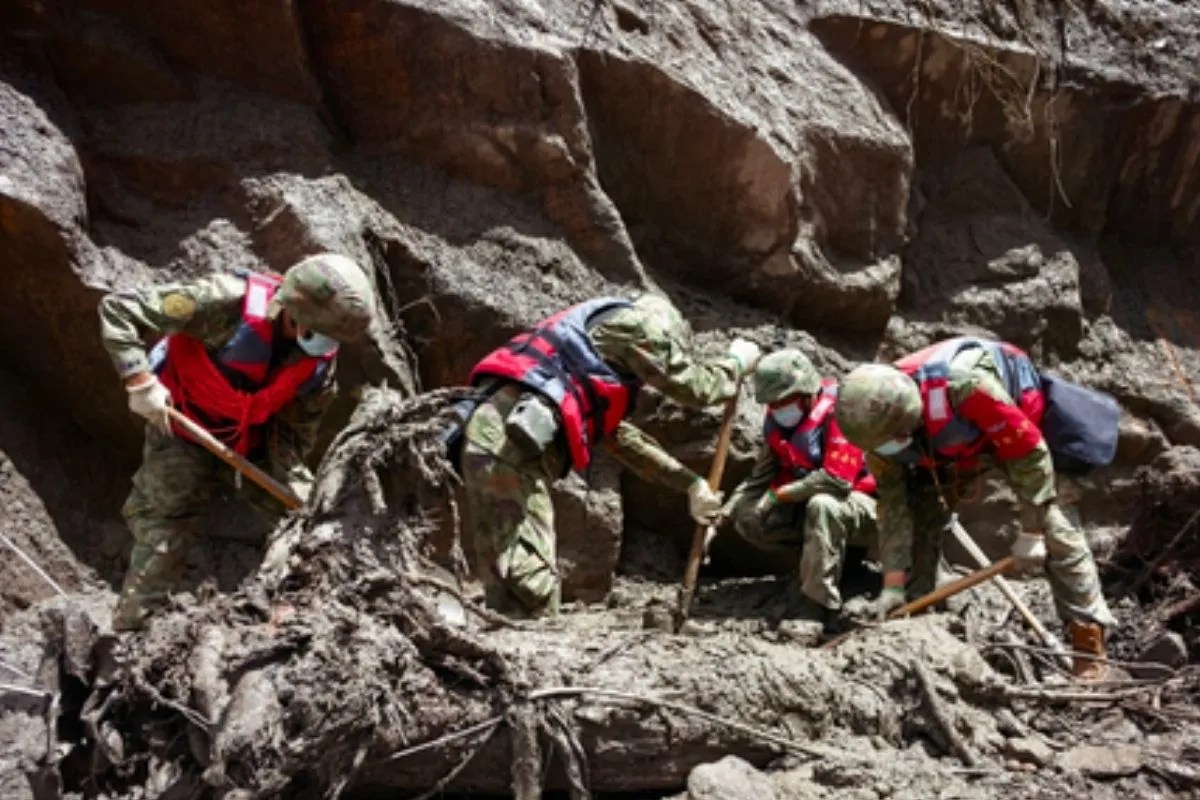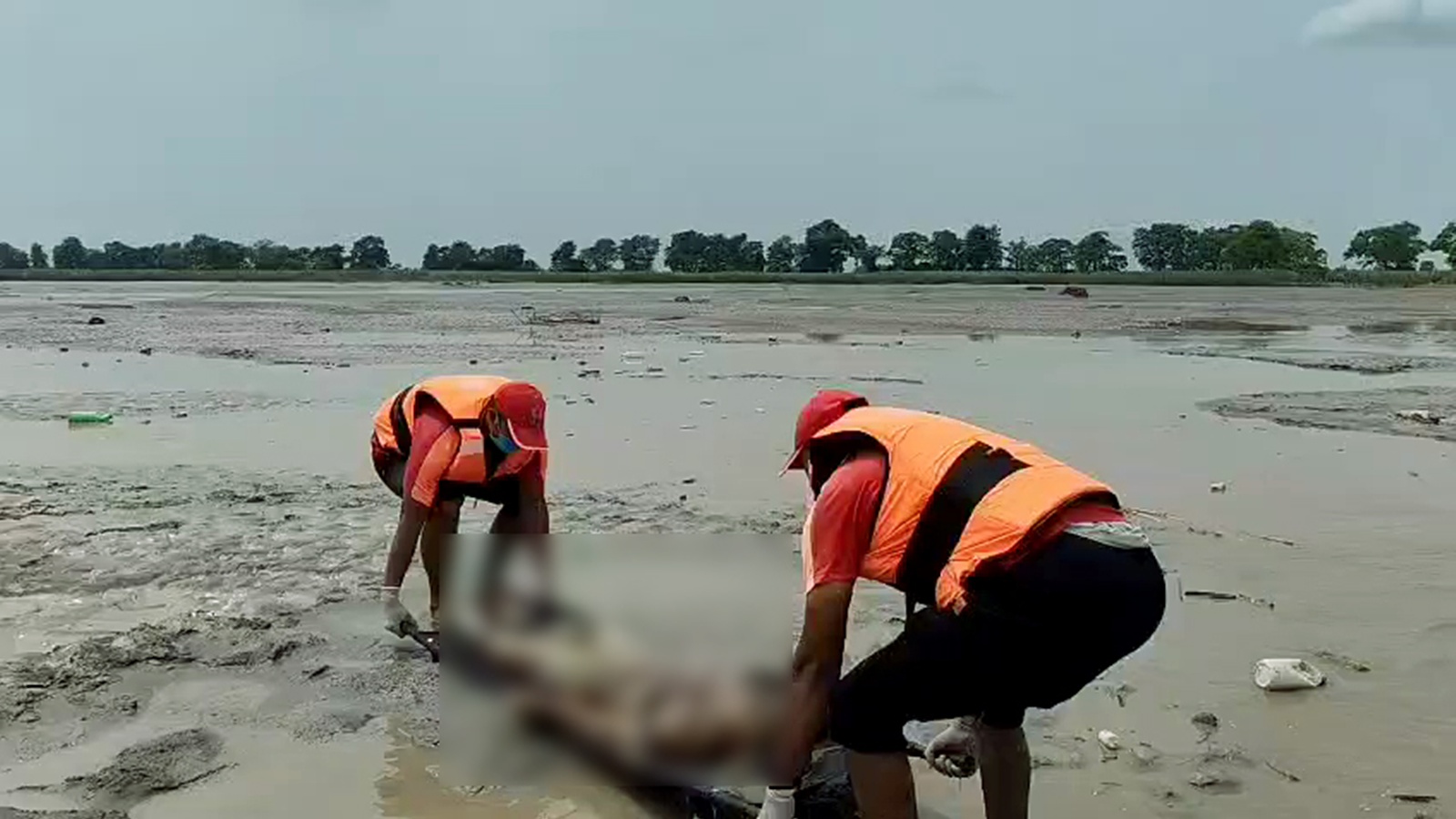
An eleven-member specialist team touching down in Kathmandu carrying medical gear and tunnel-rescue blueprints is not just routine diplomatic neighborliness; it marks a grim pivot in an unfolding catastrophe. Following catastrophic flash floods triggered by a glacial collapse near the Nepal-Tibet border, the death toll has climbed past six hundred, with thousands remaining missing. The small, highly targeted contingent sent by New Delhi aboard an Indian Air Force transport flight represents an urgent response to a very specific, subterranean nightmare. Workers trapped inside pitch-black hydropower tunnels in regions like Rasuwa and Trishuli face rising waters and choked exit points, forcing Kathmandu to crack open the door to foreign technical assistance after initially leaning solely on domestic security forces.
The disaster began with an abrupt geological shock. What instruments initially registered as a minor seismic event was actually an ice-and-rock avalanche that sent an inland tsunami of mud, water, and debris racing down mountain valleys. Entire settlements, roadways, and vital hydroelectric infrastructure were obliterated within minutes. The geographic layout of the Himalayan nation compounded the misery. Narrow gorges acted as funnels, accelerating the slurry's momentum and burying access routes under meters of stone and silt. For days, external monitoring was paralyzed by severed communication lines and blocked mountain passes.
The Subterranean Battleground
Why send just eleven people when hundreds are dead and thousands are missing? Because standard infantry-style search parties cannot crack concrete and steel tombs filled with slurry. The team dispatched by India consists of specialized medical personnel and elite tunnel-rescue operatives—veterans of high-stakes underground extractions, including those who worked on the grueling Silkyara tunnel operation in Uttarakhand.
Water management inside subterranean hydropower stations presents a lethal physics problem. The tunnels and powerhouses survived the initial surface shock better than the surrounding landscape, acting as deceptive pockets of structural integrity. Yet, rising river levels and overflowing glacial lakes threaten to flood these concrete chambers entirely. The eleventh-hour deployment is a calculated gamble that specialized engineering diagnostics can pierce these sealed compartments before air supplies run out. International tunneling advisors, coordinating virtually and awaiting clearance, have admitted there is no historical playbook for a debris flow of this volume intersecting with active mountain hydropower projects.
Navigating Political Sensitivities
Diplomatic friction routinely shadows disaster response in South Asia. Initially, Kathmandu resisted external intervention, stating that native security forces possessed the best understanding of local terrain and environmental conditions. Sovereign pride and operational autonomy always carry weight during major crises.
However, the sheer mathematical reality of the destruction forced a policy shift. When Foreign Minister Shisir Khanal acknowledged that international expertise was required for extremely complex physical structures, it signaled a pragmatic surrender to physics over politics. Beyond the tunnel-rescue specialists, Nepal requested help to construct forty-two portable Bailey bridges to stitch a fractured transport network back together. These modular steel structures allow rapid assembly without heavy machinery, offering an immediate logistical lifeline to isolated mountain communities.
The Broader Humanitarian Pipeline
The arrival of the eleven specialists follows a rapid scaling up of supply-heavy airlifts. India's deployment evolved from dropping general relief provisions—such as tents, blankets, water purification tablets, and dewatering pumps—into precision technical support. Over fifty-seven tonnes of humanitarian aid have moved across the border as bilateral agencies coordinate medical triage at field centers in Dhunche and Trishuli.
Yet, physical supplies do little to solve the psychological and infrastructural trauma gripping the valleys. Forensic units have been mobilized to handle mounting casualties, while hundreds of Indian nationals and local citizens remain unaccounted for in remote work camps. The physical isolation of these zones means that every ton of cargo must be flown in or manually hauled over broken earth, straining rescue coordination to its absolute limit.
The debris choking the Bhotekoshi River basin will take years to clear, but the immediate window to pull living souls from the hydropower tunnels is measured in hours. As the small Indian engineering unit links up with Nepalese field commanders, the focus narrows entirely to the darkness underground, where the difference between survival and anonymity depends on specialized drills, cold calculations, and a race against the next mountain thaw.