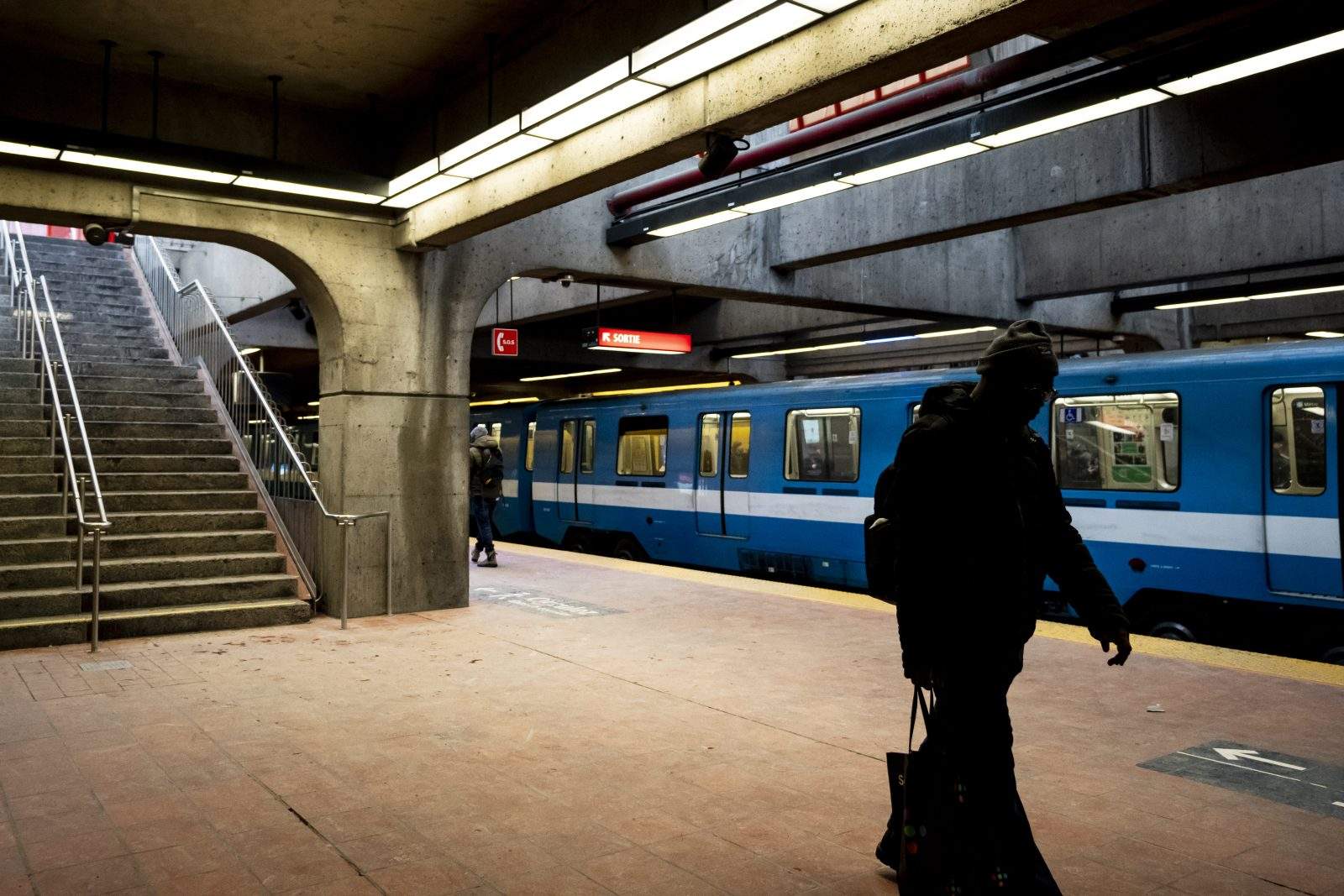
The Montreal transit agency is facing intense public scrutiny following the death of a man who fell onto the subway tracks, bringing long-standing infrastructure vulnerabilities to the forefront of municipal debate. The fatal incident on the Société de transport de Montréal (STM) network has triggered an immediate investigation, yet transit advocates and safety experts argue that inquiries alone fail to address the core systemic failures plaguing underground transit systems across North America.
For decades, urban transit operators have prioritized expansion over passive safety engineering. Platform edge doors, long standard in automated metro systems in Asia and Europe, remain absent across the vast majority of Canadian and American subway lines. When a commuter steps, falls, or is pushed onto the active electrical tracks of the Montreal metro, the margin for human error is zero. The high-voltage rail and the kinetic force of incoming rolling stock leave virtually no room for survival. This latest tragedy highlights an urgent public safety gap that transit authorities can no longer dismiss as an isolated operational hazard.
The Engineering Deficit Underground
Platform screen doors serve as a physical barrier between waiting passengers and the drop to the tracks below. In cities like Paris, Tokyo, and Singapore, these installations have virtually eliminated track-intrusion fatalities, whether accidental or intentional. Yet, municipal transit authorities in North America routinely cite prohibitive capital costs and structural incompatibility with aging fleets as justifications for inaction.
Retrofitting an older underground network requires precise alignment between train door configurations and station platform gates. Many legacy systems operate mixed-fleet models with varying car lengths and door spacings, complicating the engineering requirements. However, treating structural complexity as an insurmountable barrier ignores the mounting human cost of delayed modernization. When budgets are allocated primarily to fare gate upgrades or aesthetic station refreshes while basic fall-prevention infrastructure is deferred, organizational priorities become questionable.
The financial calculus used by municipal planners often assigns a monetary value to safety retrofits versus the statistical frequency of fatalities. This approach creates a bureaucratic inertia where upgrades are postponed until a public outcry forces a temporary political response. Journalists covering transit beats have repeatedly documented how safety recommendations gathered from previous coroner reports sit unacted upon for years.
Operational Realities and Staffing Pressures
Beyond physical barriers, day-to-day operations on the Montreal subway network rely heavily on station attendants and drivers reacting in split-second windows. Modern signaling systems allow for tighter headways and faster train frequencies, which increases network capacity but simultaneously reduces the reaction time for a human operator spotting an obstruction on the tracks.
Operators navigating subterranean tunnels deal with low visibility, curved platforms, and aging infrastructure that lacks comprehensive automated intrusion-detection sensors. While closed-circuit television cameras monitor many platforms, human monitoring of dozens of live feeds simultaneously introduces inevitable blind spots. Automated laser tripwires or thermal detection grids can alert central control rooms instantly, yet adoption of these technologies remains sporadic across North American networks.
The emotional and psychological toll on transit employees compounds the crisis. Drivers involved in track-intrusion incidents face severe trauma, often requiring prolonged leave and counseling. Despite this, union representatives note that frontline staff are rarely consulted meaningfully during the formulation of new safety protocols.
The Accountability Vacuum
When a fatal incident occurs on the network, the procedural response follows a predictable script. The transit agency launches an internal review, the coroner opens an investigation, and municipal leaders express condolences while pledging to review existing security measures. Weeks later, the public cycle moves on, and tangible structural overhauls stall out amid jurisdictional disputes over municipal versus provincial funding.
Public transit is an essential public utility relied upon by hundreds of thousands of daily commuters who have no alternative mode of travel. Trust in the safety of these systems is non-negotiable. If ridership is expected to recover and grow in the post-pandemic urban landscape, transit authorities must shift from reactive crisis management to proactive risk mitigation.
Installing platform edge doors, upgrading intrusion detection technology, and modernizing legacy stations require substantial financial investments. These funds must come from coordinated provincial and federal infrastructure grants rather than being squeezed exclusively from municipal tax bases and passenger fareboxes. Until governments treat subway safety engineering as a vital public works priority rather than a discretionary luxury, tragic losses on the tracks will continue to expose the fragility of urban transit infrastructure.