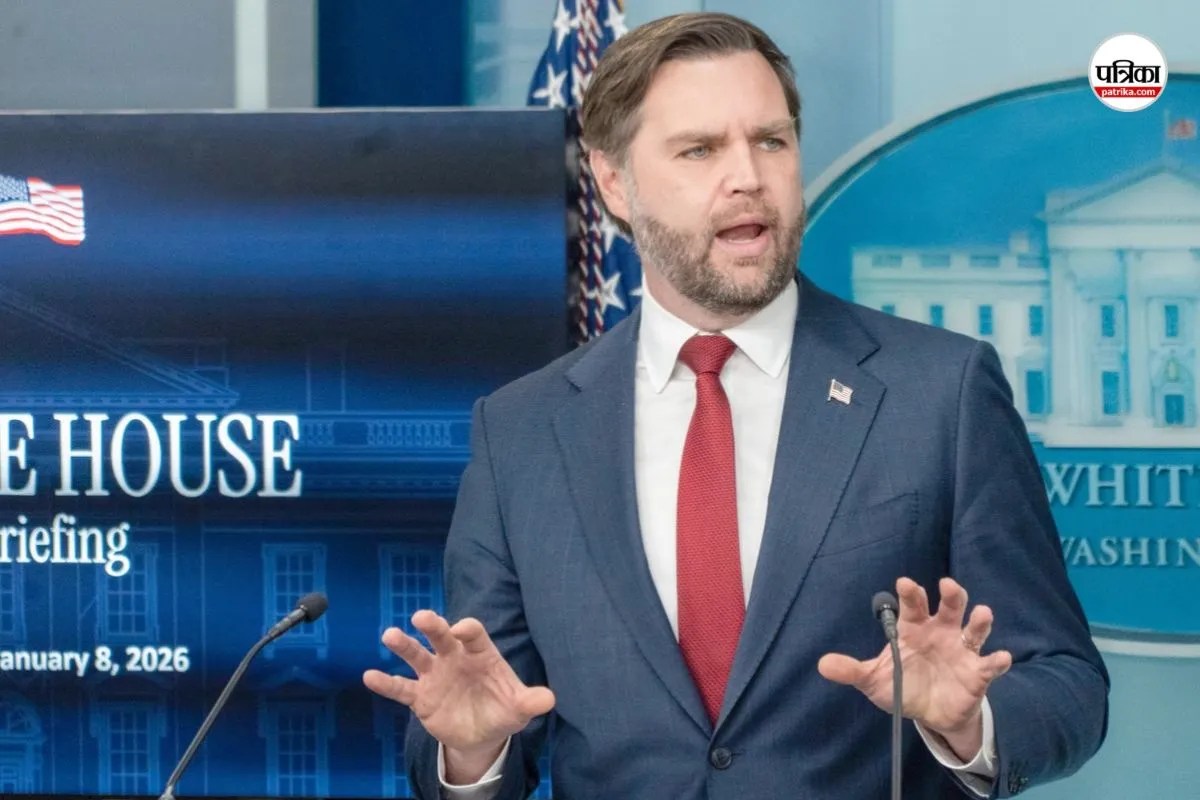
JD Vance blamed the war with Iran for the Republican Party's sweeping defeat in the November 2026 midterm elections, arguing that anger among Donald Trump's own voters drove the party's losses in both chambers of Congress. Speaking out after Democrats flipped control of the House and Senate, Vance pointed directly to the conflict launched alongside Israel in late February as the core reason voters who backed the Trump-Vance ticket in 2024 defected or turned against the GOP.
His blunt post-mortem exposed a deep fracture inside the Republican coalition. A movement built on anti-interventionism and lower living costs collided head-on with an open-ended Middle Eastern war and higher fuel prices. Meanwhile, you can explore other events here: Why America’s Midterm Elections Are Really About India’s Breathing Room.
The Anatomy of a Base Revolt
Turnout alone did not sink Republicans in November. Many voters who showed up had voted for Trump and Vance two years earlier, yet cast ballots for Democrats instead.
That shift cuts to the heart of the modern GOP coalition. For years, populist conservatives treated foreign entanglements as a distraction from domestic wages, borders, and industrial decline. Launching military strikes against Iran in February 2026 shattered that implicit bargain. A conflict initially pitched as a decisive blow stretched across months, dragging U.S. naval assets into a sustained blockade and maritime standoff around the Strait of Hormuz. To see the bigger picture, we recommend the detailed report by The Washington Post.
Supporters who backed Trump to keep America out of prolonged foreign wars saw Washington locked into another costly regional fight. Even when voters agreed with the goal of blocking Tehran's nuclear ambitions, the day-to-day reality of an unresolved campaign tested their patience.
Why Fuel Prices Turned Ideology Into Pocketbook Pain
War rarely hurts a governing party purely on abstract principle. It hurts when it shows up on a credit card statement or a gas station sign.
Disruptions around the Strait of Hormuz—a chokepoint for global crude shipments—sent energy costs climbing and compounded broader affordability frustration. Democrats hammered cost-of-living pressures across groceries, housing, healthcare, and fuel, turning a geopolitical crisis into an everyday household grievance.
Trump acknowledged that higher gasoline prices weighed on voters, even as he insisted the military operation was necessary and argued he would make the same call again. That creates a sharp political trap for the White House:
- Strategic rationale vs. voter tolerance: Leaders can argue that neutralizing threats or pressuring Tehran serves long-term security, while voters judge leaders on immediate price stability.
- Naval escalation vs. de-escalation: Deploying additional carrier strike groups and enforcing blockades projects strength abroad, yet keeps markets on edge and raises the risk of retaliatory strikes on regional bases.
- Credibility on past claims: Shifting rationales around Iran's nuclear capabilities make it harder to convince skeptical voters that the campaign has a clear endpoint.
Vance's High-Wire Act After the Defeat
Vance's post-election commentary was a calculated effort to sound candid with frustrated base voters without breaking cleanly from the president. By saying the war was the reason Republicans lost—and challenging anyone who thought losing the Senate for six years was a fair price to pay—he positioned himself as a realist speaking plain truths.
Yet within days, Vance walked back any suggestion of a rift. In broadcast interviews, he insisted there was no daylight between himself and Trump, argued that the president makes the call and the Cabinet executes it, and pointed to past refinery policy as a driver of high fuel costs.
That balancing act carries real risk. Vice presidents rarely succeed by blaming an administration's flagship foreign policy while claiming total alignment with the leader who ordered it. Critics inside and outside the party immediately questioned whether Vance was trying to protect his standing for 2028 or simply scrambling after drawing pushback from loyalists.
Consider a hypothetical scenario to see how narrow his margin is. Suppose a Republican strategist advises a candidate running in a swing state in 2028: if the candidate criticizes the war's cost too sharply, they risk alienating pro-intervention hawks and Trump loyalists who view the strikes as decisive; if they defend every turn of the campaign unconditionally, they alienate non-interventionist voters who felt burned in 2026. Neither path is clean.
A Coalition Torn Between Hawkishness and Restraint
The midterm wipeout did not create the divide inside the GOP. It forced it into the open.
Different factions inside the party now read the same election results in opposite ways. Some argue Republicans lost because they failed to prosecute a sharp economic case and allowed opponents to frame inflation and fuel costs around the war. Others contend that the real lesson is simpler: voters reject open-ended military commitments that strain budgets and risk escalation.
At the same time, blaming the war alone overlooks other drags on Republican performance, including broader cost-of-living dissatisfaction, internal party friction, and voter skepticism toward governance. Foreign policy rarely operates in a vacuum during midterm elections, especially when domestic prices are already stretched.
Still, Vance's assessment captured a raw nerve because it named the exact contradiction at the center of the administration's second term. A party that promised restraint and lower costs spent months managing a high-stakes regional conflict and defending the bill at home.
Watch how the White House handles naval operations in the Gulf and diplomatic off-ramps over the coming weeks. Every strike, blockade adjustment, or stalled negotiation will test whether Republicans can repair their coalition before the next election cycle begins.


