The attack on the Panama-flagged commercial vessel MT El Gaia off the coast of Oman has laid bare the mounting vulnerabilities facing civilian mariners navigating the choke points of the Middle East. Thirteen out of fourteen Indian crew members onboard were successfully rescued following the strike, while search and recovery operations persist for one missing Indian seafarer.
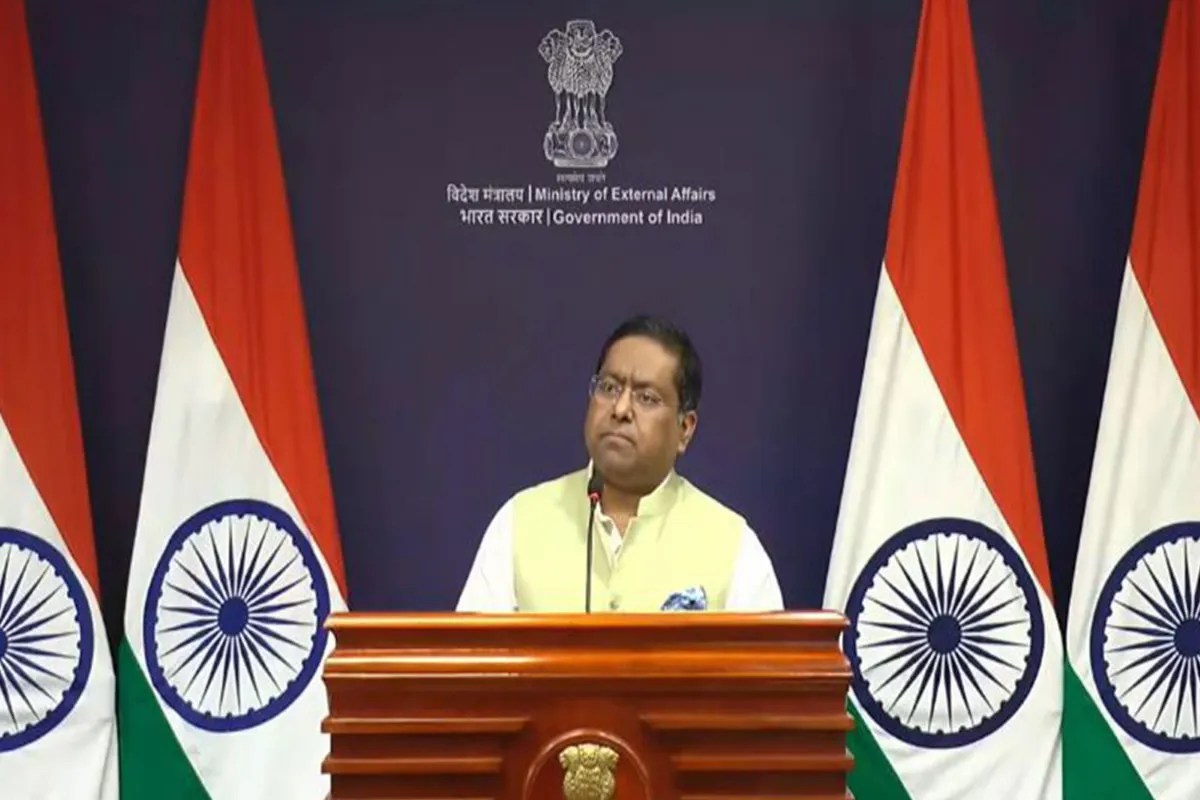
New Delhi's Ministry of External Affairs issued a sharp condemnation following the incident. The official stance underlined a growing frustration in South Block over the routine targeting of civilian infrastructure in international waters. Yet, diplomatic communiques do little to alter the stark operational reality on the water. Merchant vessels transiting the Strait of Hormuz and the Gulf of Oman remain high-value pawns in an escalating regional chessboard where deterrence has largely fractured. Discover more on a related topic: this related article.
The Human Cost of Maritime Flashpoints
Seafaring has quietly transformed into a high-risk occupation. For decades, the global supply chain relied on an invisible assumption of neutrality for commercial crews. Tankers and bulk carriers moved energy and commodities across contested zones under the loose umbrella of international maritime law. That assumption is gone.
India finds itself disproportionately affected by these security breakdowns because a massive share of the world's certified merchant navy officers and ratings hail from Indian shores. When a commercial tanker takes a hit near Omani waters, the human fallout lands squarely on families in coastal towns across states like Maharashtra, Kerala, and Punjab. Further reporting by The New York Times delves into comparable perspectives on this issue.
The immediate rescue of thirteen men speaks to the swift intervention of Omani maritime authorities and regional response coordination. But the ongoing search for the missing crew member highlights the grim timeline of open-ocean recovery operations. Every hour that passes diminishes the probability of a positive outcome, turning an acute security crisis into a quiet tragedy for a single household.
Geopolitical Friction Points and Commercial Fallout
The timing of the strike against the MT El Gaia corresponds with a renewed spike in regional hostilities. Relative lulls in maritime attacks rarely signal a permanent political settlement. Instead, they represent tactical pauses. As wider geopolitical friction intensifies between regional actors and external powers, the strategic waterways flanking the Arabian Peninsula transform into hostile corridors.
Insurance premiums for hull and machinery coverage in these zones have climbed to punishing levels. Shipowners face an impossible economic equation. Absorb the exponential cost of rerouting vessels around the African continent, or take the shorter route through the Gulf and gamble on defense systems and crew resilience. Many commercial operators continue to roll the dice, placing civilian workforces on the front lines of geopolitical conflict.
The Limits of Diplomatic Condemnation
Governments are constrained by the limits of expeditionary power projection. India's naval deployments in the western Indian Ocean have successfully deterred localized piracy and protected flagged vessels in specific corridors, but patrolling every mile of international choke points against asymmetric state or proxy attacks is an engineering impossibility.
When foreign ministries state that the targeting of commercial shipping is unacceptable, the declaration carries moral weight but lacks coercive teeth. Without a fundamental recalibration of security architectures in the Gulf, merchant ships will remain soft targets.
The search for the missing Indian seafarer continues under the supervision of local coordinators and diplomatic missions. Behind the diplomatic cables and rescue manifests lies a persistent question about how long global trade can rely on waterways where civilian lives are treated as collateral damage.



