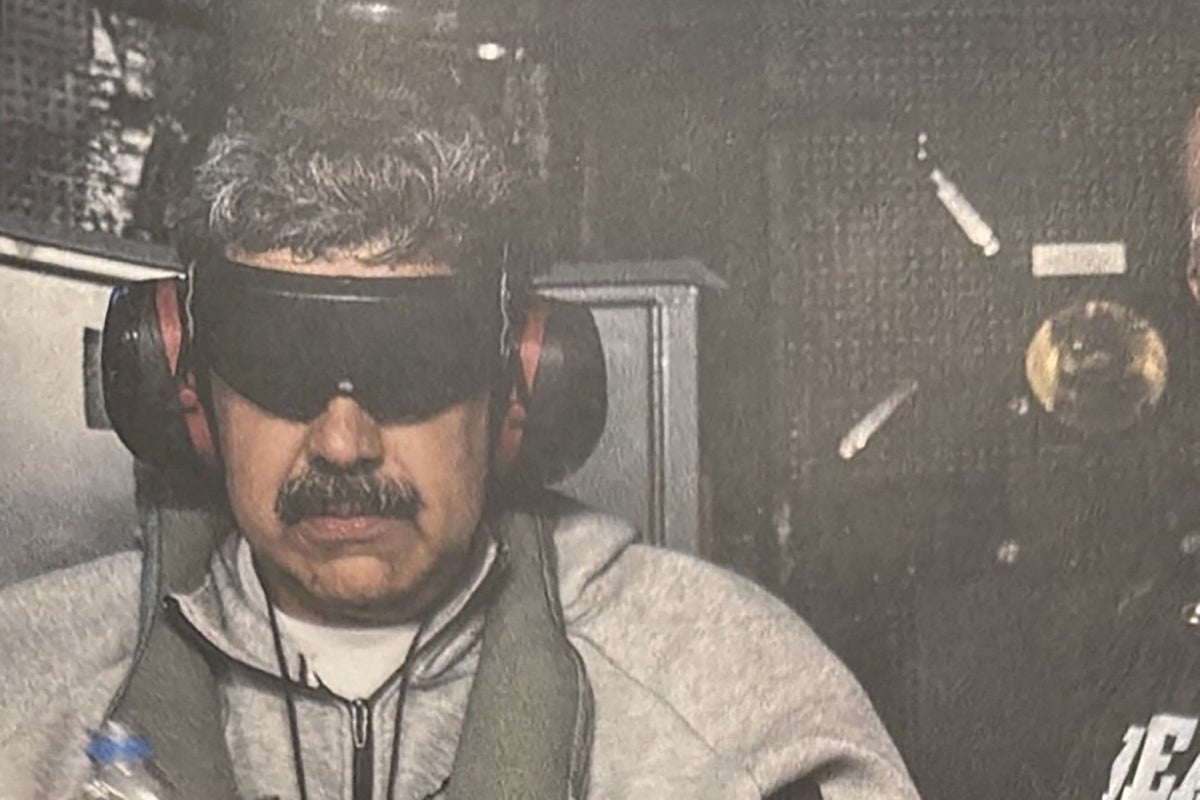
A federal judge in Manhattan set a June 1, 2027 trial date for ousted Venezuelan leader Nicolás Maduro and his wife, Cilia Flores, bringing America’s most unprecedented foreign intervention in decades into a New York courtroom. U.S. District Judge Alvin K. Hellerstein approved the schedule during a brief fifteen-minute hearing, establishing a long runway for a high-stakes prosecution that blends criminal narco-terrorism charges with international law disputes. Maduro and Flores, who have remained behind bars at the Metropolitan Detention Center in Brooklyn since their January capture in Caracas, face potential life sentences if convicted of conspiring to flood the United States with cocaine.
The legal machinery now grinding forward in Southern District of New York federal court represents something far bigger than a standard drug prosecution. It is a legal experiment testing how far executive military power can stretch into criminal law enforcement.
A Fifteen Minute Prelude to a Historic Trial
Inside the Manhattan federal courtroom on Wednesday, the physical reality of Maduro’s fall was stark. Dressed in beige prison garb, the former head of state sat silently at a defense table surrounded by his legal counsel. His wife sat nearby at a separate table. Neither accused spoke a word during the brief proceedings.
The silence in court contrasted sharply with the explosive nature of their arrival in American custody six months earlier. U.S. Special Forces snatched the couple from their Caracas home in a middle-of-the-night military operation ordered by President Donald Trump. Federal prosecutors framed the raid as the execution of a six-year-old arrest warrant targeting a narco-state enterprise. Maduro’s team immediately branded it an illegal military abduction and classified their client as a political prisoner of war.
The judge approved a defense and prosecution framework that lays out the coming months:
- September 2026: Defense attorneys begin filing formal motions challenging the indictment.
- November 17, 2026: Oral arguments convene in Manhattan to debate pretrial motions.
- Early 2027: Discovery process handles classified evidence and intelligence documents.
- June 1, 2027: Jury selection and trial commence.
Sovereign Immunity and Military Abduction Arguments
Lead defense attorney Barry Pollack made clear where his initial defense strategy will focus. Pollack indicated he will first file a motion to dismiss based on head-of-state sovereign immunity. The legal doctrine generally protects sitting world leaders from foreign prosecution, though Washington stopped recognizing Maduro as Venezuela's legitimate president years ago.
Beyond sovereign immunity lies the broader constitutional fight over the capture itself. Defense lawyers intend to challenge the legality of using military force to execute domestic criminal arrest warrants on foreign soil without congressional authorization.
Federal prosecutors rely on a Justice Department Office of Legal Counsel opinion drafted prior to the January raid. That memo asserted executive authority to order unilateral military capture operations if vital national interests are cited.
Judges historically hesitate to dismiss criminal indictments purely over how a defendant was brought before the court. A long-standing legal principle known as the Ker-Frisbie doctrine allows federal courts to try defendants even if forcibly seized abroad. Defense attorneys must convince Judge Hellerstein that the military scale of this operation breaks existing judicial precedents.
Geopolitical Shifts and New Alliances in Caracas
While Maduro sits in a Brooklyn detention cell, the political map in Caracas has shifted dramatically. Former Vice President Delcy Rodríguez assumed power following the January raid, quickly altering the country's posture toward Washington.
The U.S. government eased key oil sector sanctions, reopening access for international energy firms to expand operations in Venezuela’s massive reserves. The transactional nature of foreign policy is on full display. Washington gained energy cooperation and regional stabilization, while the new leadership in Caracas secured economic breathing room.
This leaves Maduro increasingly isolated. The funds required to retain his elite legal defense team were initially frozen under U.S. Treasury Department sanctions. Only after the Treasury’s Office of Foreign Assets Control issued specific clearances could Venezuelan funds be released to pay defense bills in New York.
What the Trial Schedule Means for Federal Prosecutors
Federal prosecutors face a massive evidentiary burden over the next eleven months. Building a air-tight narco-terrorism case against a former head of state requires translating years of intelligence reports, informant testimonies, and intercepted communications into admissible courtroom evidence.
- Declassifying Sensitive Intelligence: Prosecutors must clear sensitive diplomatic and military records through federal intelligence agencies without compromising covert sources.
- Managing Cooperating Witnesses: Convicted cartel figures and former Venezuelan military officers must present credible testimony connecting Maduro directly to cocaine shipments rather than general systemic corruption.
- Navigating Classified Information Procedures: The court must handle classified defense requests under complex federal evidentiary laws, a process that frequently causes trial delays.
The June 2027 start date gives both sides time to navigate these procedural hurdles. The trial will test whether criminal courtrooms are equipped to adjudicate the forceful removal of foreign leaders, setting a precedent that will echo through international law for decades.


