The Liberal Democrats are currently running more local councils than at any point in their history, sitting comfortably on a historic cohort of seventy-two MPs secured during the electoral realignment. Yet behind the closed doors of party conferences and committee rooms, an unsettling realization has taken root. Winning the tactical proxy war against a collapsing Conservative Party in the suburban constituencies of the Blue Wall does not equal a long-term national mandate. The party stands at a crossroads defined by its own tactical brilliance and strategic timidity, caught between acting as a local municipal champion and forging a credible, sovereign national identity.
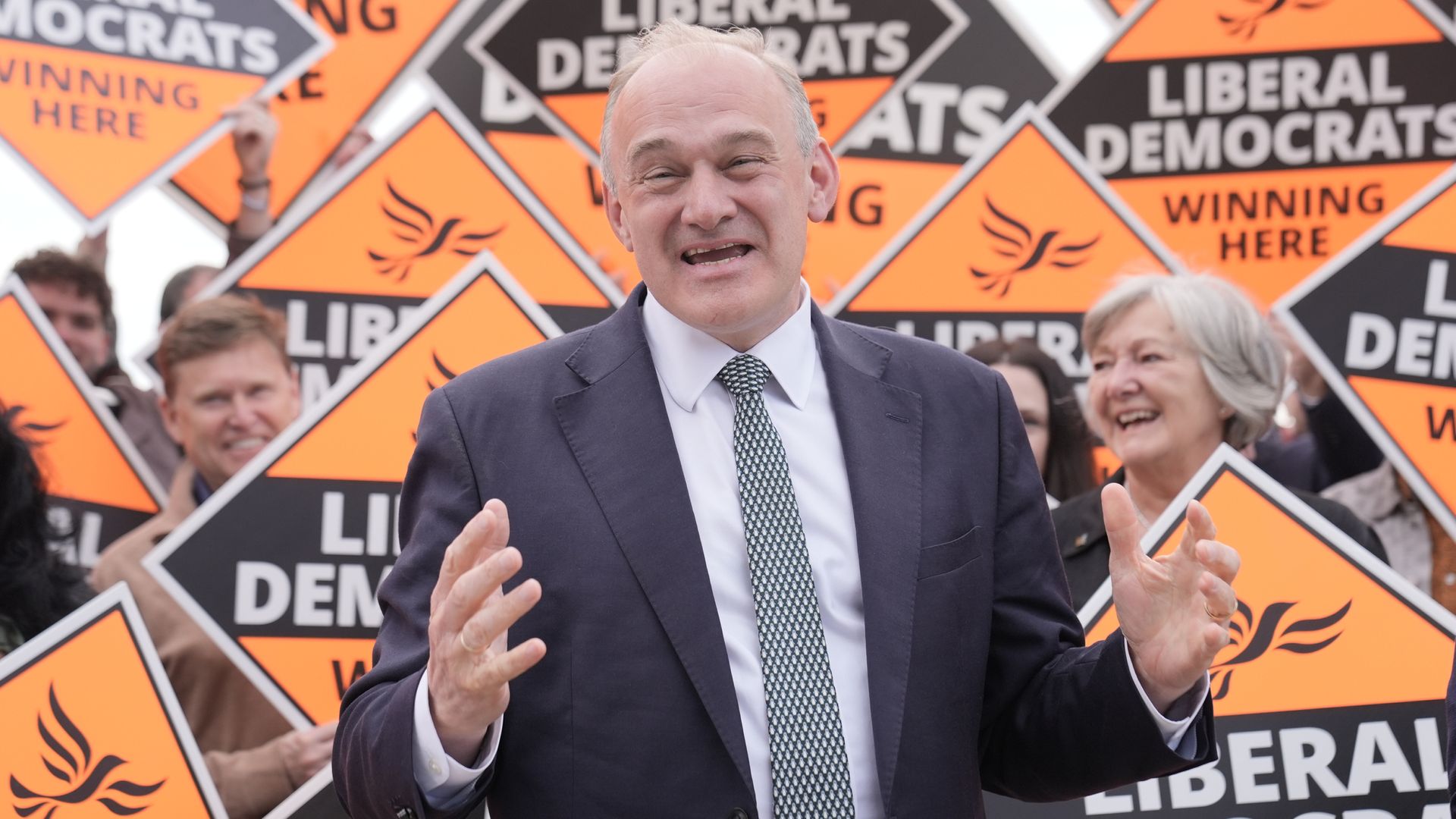
To understand why the Liberal Democrats are quietly panicking despite a winning electoral run, one must look past the headline numbers and examine the structural mechanics of British politics. Under the first-past-the-post electoral system, the party achieved maximum efficiency by concentrating fire on affluent, non-urban seats where disgruntled former Tories wanted to lodge a protest without embracing Labour. Ed Davey’s public-facing campaign stunts—prop-heavy, human-interest media events designed to highlight social care failures and environmental collapse—succeeded wildly in cutting through national indifference. Voters recognized the human face of the party. But those same stunts masked a deeper policy vacuum that analysts have warned about for years. When pushed on macroeconomic strategy or fiscal reality, the party frequently retreats into comforting generalities, avoiding the hard choices required of a true national contender.
This operational caution creates a profound ceiling on growth. Data from public opinion research reveals a striking paradox: while local branches thrive on community-level grievance-mongering and municipal delivery, the national brand suffers from a chronic deficit of perceived electability. Nearly a quarter of voters considering the party cite the belief that the Liberal Democrats cannot actually win power as their primary deterrent. Furthermore, millions of voters view them not as an independent ideological force, but as an opportunistic vehicle for tactical voting or a temporary car park for anti-government sentiment. When the national political weather changes, parked cars drive away.
The core tension within the party is starkly territorial. Half of their primary target seats are defended against or contested against a Conservative rump that is desperately trying to reinvent itself, while another significant faction looks at the threat posed by populist movements on the right and argues the party has a moral duty to act as the ultimate democratic blockade. This creates a fractured message. In rural and semi-rural constituencies, candidates whisper fiscal caution and local preservationism. In urban academic centers, activists demand radical redistribution and uncompromising social stances. Trying to satisfy both constituencies leaves the national leadership tailoring its rhetoric to whichever focus group is in the room.
Consider the ongoing debates over housing and planning policy. The party champions local consent and community-led planning safeguards. In affluent shires, this is an electoral goldmine that protects green spaces and limits major developments. Yet on a national scale, it directly exacerbates the generational housing crisis by handing veto power to incumbent property owners over the needs of younger, unhoused citizens. It is a brilliant short-term defensive tactic that actively undermines the long-term demographic coalition the party needs to survive. Localism becomes a trap when it runs counter to national survival.
The path forward requires abandoning the comfort of being the perennial third-choice insurgent. If the leadership intends to convert its parliamentary breakthrough into permanent structural realignment, it must stop treating national policy as an afterthought to local leaflet drops. That means confronting difficult truths about taxation, growth, and the structural trade-offs of public spending rather than hiding behind populist health and social care soundbites. Until the party decides whether it wants to govern the country or merely manage its constituencies, it will remain hostage to the very electoral system it claims to despise.