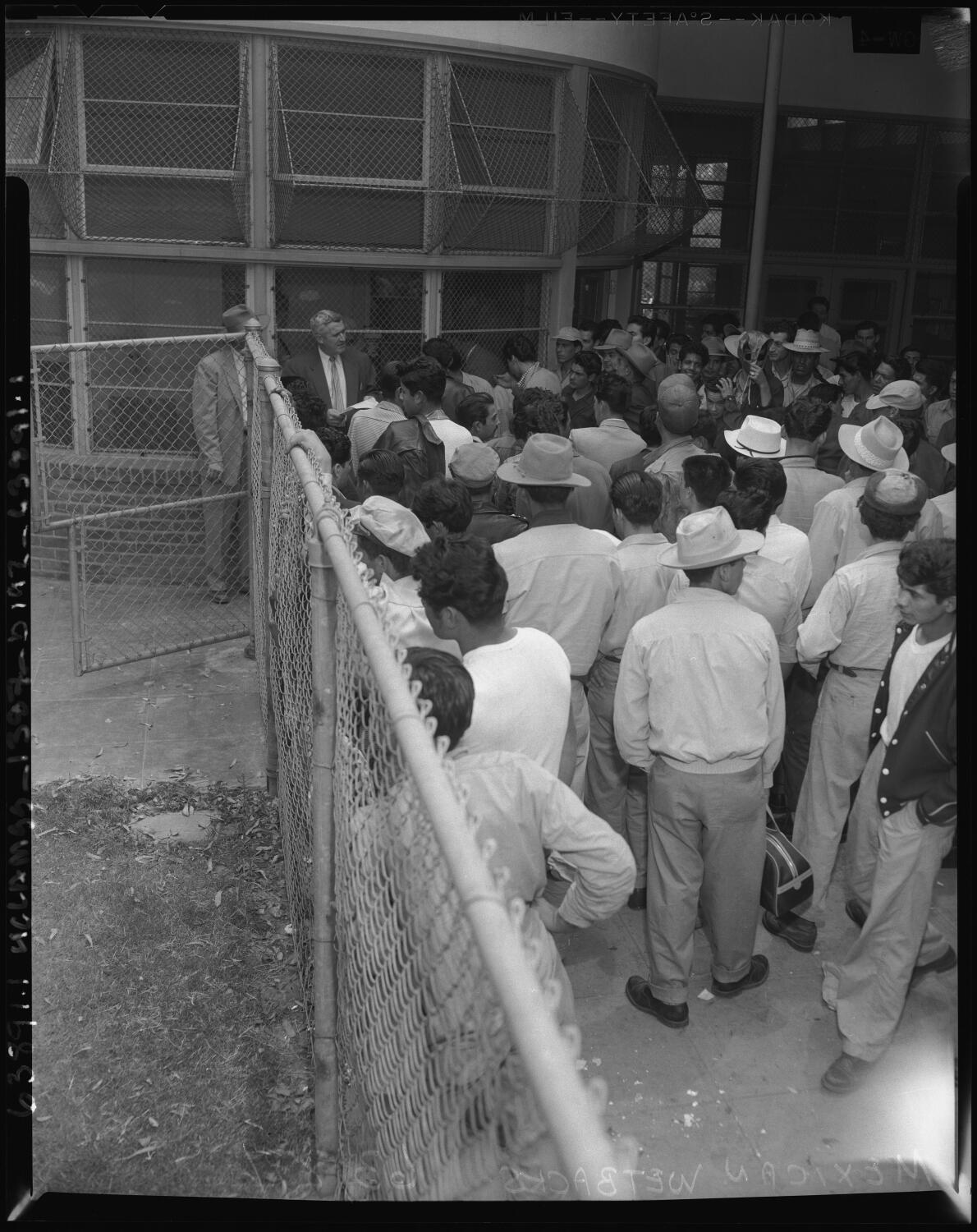
The United States immigration system operates on a foundational promise that compliance yields stability, yet applicants who meticulously follow legal frameworks routinely find themselves trapped by administrative contradictions, sudden policy reversals, and erratic processing pauses. For decades, discussions surrounding reform have focused heavily on border security, neglecting the administrative machinery that dictates who can legally live, work, and remain inside the country. This structural dysfunction creates an environment where legal participants experience volatility that rivals unauthorized transit, exposing a deep institutional flaw that penalizes compliance.
To understand why the framework is broken, one must look at the mechanics of the Immigration and Nationality Act of 1965. Built during a vastly different economic and demographic era, the statutory baseline relies on static quotas and rigid categorical definitions that fail to match modern labor demands. Congress has not meaningfully updated these statutory quotas since 1990, leaving the system to rely on a patchwork of executive actions, temporary humanitarian parole programs, and administrative workarounds. Every successive presidential administration applies its own ideological varnish to this decaying infrastructure, twisting agency priorities overnight and pulling the rug out from under applicants who spent years playing by the book.
Consider the structural absurdity embedded in family-based petitions. A U.S. citizen seeking to regularize the status of an undocumented parent must navigate a labyrinth where separate statutory provisions directly contradict one another. One section of federal law permits the petition, while another imposes multi-year reentry bars if that same parent leaves the country to complete consular processing. The system demands compliance while setting administrative traps that make lawful navigation nearly impossible without extraordinary legal intervention.
The Cost of Procedural Instability
Financial burdens compound these structural failures. Filing fees, mandatory medical examinations, certified translations, and mandatory legal representation frequently exceed five thousand dollars per applicant. Families structure their entire lives, career trajectories, and children's schooling around multi-year processing timelines.
Then a policy shift occurs.
An administrative pause drops without warning. Employment authorization documents tied to pending applications lapse simply because federal adjudication stalls. Software engineers, small business owners, and healthcare professionals suddenly lose their legal right to work despite having valid applications pending through no fault of their own.
The financial loss is only part of the equation. The psychological toll of institutional unpredictability breeds profound systemic distrust. When individuals observe that strict adherence to procedure offers zero protection against sudden executive overhauls, the rational incentive to participate lawfully degrades.
Shifting Enforcement and the Logic of Removal
While legal applicants face processing purgatory, the enforcement apparatus targeting unauthorized residence has undergone a severe pivot. Recent administrative pushes have aggressively dismantled humanitarian protections, stripping status from millions of individuals who relied on temporary programs like Temporary Protected Status (TPS) or humanitarian parole.
At the same time, authorities have rolled out digital incentives, such as mobile applications offering financial exit bonuses to encourage voluntary departures. This dual approach—restricting legal pathways while engineering high-pressure exit strategies—shifts the baseline of federal priorities. Every unauthorized resident becomes an immediate enforcement target, regardless of community integration or economic contribution, while lawfully present populations face unprecedented levels of scrutiny regarding social media activity and background vetting.
The economic ramifications of constricting both legal and unauthorized labor pools are already materializing. Federal Reserve regional banks and congressional fiscal analysts note tightening labor markets and suppressed economic output in sectors heavily reliant on immigrant workers. By treating immigration exclusively as an enforcement crisis rather than an economic engine, policy choices consistently sacrifice long-term fiscal health for short-term political posturing.
Fixing this apparatus requires more than surface-level adjustments or temporary funding bills. It demands a complete statutory rewrite that eliminates permanent "temporary" statuses, links quotas directly to economic indicators, and honors the investments made by those who trust the rule of law. Until policymakers confront the foundational rot within the statutory code, the system will remain a mechanism of exclusion disguised as a legal queue.
The rules will change tomorrow, and the line will move backward again.
When Immigration Rules Keep Changing, the System Stops Working
This article explores how administrative pauses and shifting policies disrupt the lives of immigrants who have spent years navigating the formal legal process.