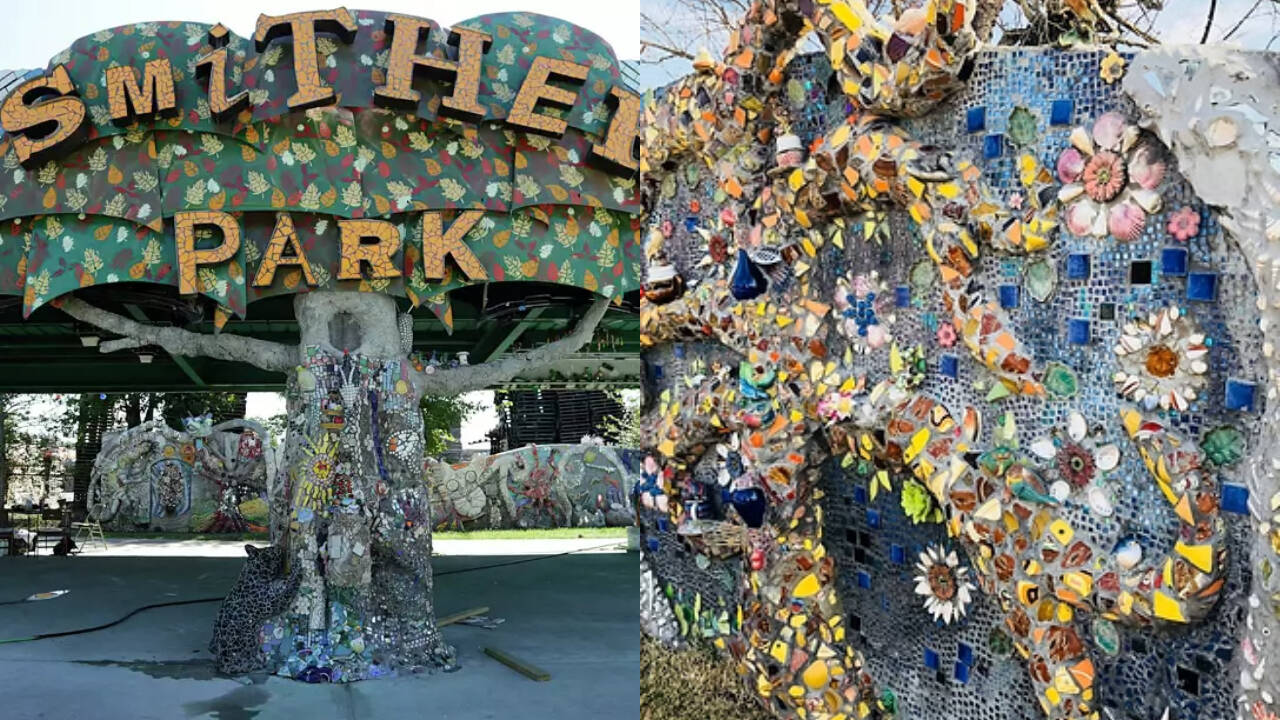
A Houston vacant lot turned into a colorful park built from discarded art is more than an eccentric neighborhood win; it exposes how a sprawling, zoning-free city channels surplus land, industrial castoffs, and DIY grit into free public space where municipal budgets lag.
Walk through an unassuming block in Houston and you will eventually hit a patch of ground that refuses to behave like standard urban real estate. No manicured lawn. No cookie-cutter playground equipment bolted onto poured rubber. Instead, you find broken ceramic tile, rusted metal scraps, salvaged glass, and improvised sculptures assembled by hands that did not wait for a city bond election.
After covering urban policy, land use, and civic experiments for decades, I have learned to look past the charm of a photo op. Bright colors draw cameras. Beneath the paint and mortar sits a harder question about property economics, liability, flood drainage, and who actually gets to shape a block when rules are light.
Why Houston Turns Empty Ground Into Salvaged Art Parks
Houston is famous for having no traditional zoning code. Critics point to strip malls beside single-family homes and endless parking lots. Defenders point to lower housing barriers and rapid commercial adaptation.
Vacant parcels sit everywhere in that mix. Tax delinquencies, estate tangles, industrial turnover, and speculative holding leave thousands of lots sitting idle across working-class and transitional neighborhoods. Weeds grow shoulder-high. Illegal dumping follows.
Artists spotted an opening in that friction. Traditional gallery spaces cost money most working makers do not have, and formal municipal parks move at the speed of procurement committees. A neglected lot with low carrying costs or a willing landowner offers immediate square footage for salvaged art and community public space.
Consider a hypothetical example of how one of these spaces can start. Suppose a local sculptor gets informal permission from a property owner to clear brush on a quarter-acre lot in exchange for keeping the site tidy and deterring dumpers. Within a few months, neighbors drop off leftover porch spindles, cracked pottery, and scrap steel, turning an eyesore into an outdoor studio without waiting on a single grant cycle.
That low-barrier entry is real. It is also fragile. Informal arrangements work until the parcel changes hands, a neighbor complains about noise or standing water, or a city inspector flags an unpermitted structure.
The Economics of Castoffs and Sweat Equity
Public parks usually follow a predictable formula. A municipality buys or dedicates land, hires landscape architects, orders commercial play gear, and budgets annual maintenance out of tax revenue.
DIY art parks flip the capital stack. Materials come from discarded art, demolition runs, thrift stores, and neighbors cleaning out garages. Labor comes from volunteers, artists trading time for visibility, and local crews who know how to weld, pour concrete, or anchor heavy objects.
That model stretches every dollar, yet it shifts costs rather than erasing them.
- Material unpredictability means builders cannot always pick uniform, weather-rated supplies; a piece made from indoor-grade wood or thin sheet metal may warp or rust fast under Gulf Coast humidity.
- Maintenance labor rarely stops after opening day, because windstorms, sun exposure, and heavy foot traffic test every joint and adhesive.
- Insurance and liability hover in the background whenever the public climbs, leans, or walks near heavy or sharp salvaged elements.
- Land tenure remains the biggest fault line, because sweat equity on leased or borrowed ground can evaporate if the owner sells to a developer.
I have watched dozens of grassroots civic projects stall at the exact moment novelty wears off. Building something on a weekend is thrilling. Sweeping leaves, fixing broken fasteners, and keeping the site safe in August heat is unglamorous work.
What Makes Houston Different From Other Cities
Every big American city has guerrilla gardeners, pop-up plazas, and scrappy makers. Houston adds specific ingredients that shape how discarded art becomes a neighborhood landmark.
First is climate. Heavy rainstorms, saturated clay soil, and long stretches of blistering heat punish sloppy construction. Anything built on a vacant lot here has to handle standing water and thermal expansion, or gravity and mildew win quickly.
Second is cultural lineage. Houston already has a deep-rooted appetite for rolling folk art, backyard builds, and high-visibility personal expression—most visibly in its long-running Art Car culture. Turning everyday castoffs into bold visual statements fits the city's vernacular rather than feeling like a foreign import.
Third is land scale. Unlike dense cities where a single empty sliver costs a king's ransom, Houston's vast footprint means pockets of underused land appear across many corridors. That gives artists room to experiment at a scale that feels like a real park rather than a tiny planter box.
The Hidden Trade-Offs Behind Grassroots Urbanism
Celebratory stories about Houston vacant lot transformations often skip the messy trade-offs. Good reporting has to hold two ideas in mind at once: a vibrant free park can genuinely improve a block, and an informal space can still carry real risks.
Start with neighborhood change. A well-loved artsy pocket park can make a quiet corner safer and more inviting. Over time, however, visible cultural energy sometimes attracts outside attention and rising land values, putting pressure on longtime renters and small businesses nearby. A colorful park does not cause displacement by itself, nor does it solve housing affordability, yet ignoring land dynamics makes any analysis incomplete.
Then look at public safety and accessibility. Commercial playgrounds are engineered to strict fall-height, spacing, and surface standards. A sculpture built from discarded art might have pinch points, uneven footing, or surfaces that heat up in direct sun. Families love the creativity, while risk managers see trip hazards and missing guardrails.
Grassroots art spaces thrive on freedom from red tape, yet long-term survival usually demands at least a baseline of structural care, drainage planning, and clear stewardship.
There is also a quiet tension around whose vision gets centered. When a few driven artists spearhead a project, their aesthetic sets the tone. That energy can spark broad participation, or it can unintentionally sideline neighbors who want shade trees, benches, or a place to kick a ball rather than avant-garde assemblage.
Practical Lessons for Artists, Neighbors, and Policymakers
If a vacant lot becomes a lasting colorful park rather than a short-lived stunt, the people involved usually solve a few unglamorous details early.
- Put land permissions in writing. A handshake feels friendly at the start, but a clear agreement with the landowner—covering access, duration, and basic site rules—protects everyone if plans shift.
- Design for weather first. Elevate bases away from pooling water, use corrosion-resistant fasteners where loads matter, and plan for shade so visitors can actually stay longer than ten minutes.
- Build a maintenance rotation. Pair every new installation with a realistic plan for touch-ups, debris removal, and seasonal checks so the site does not slide into blight.
- Invite practical neighborhood input. Ask nearby residents what the block lacks—benches, lighting, clean sightlines, family-friendly zones—alongside the art itself.
Cities rarely suffer from too much citizen initiative. They do suffer when enthusiasm burns hot for six months and leaves behind half-finished structures or unresolved disputes.
When an empty lot in Houston fills with color and life, it shows what happens when ordinary people refuse to wait around for perfection. Keep an eye on how those spaces are governed, drained, and maintained over years, not just how they look on opening day.