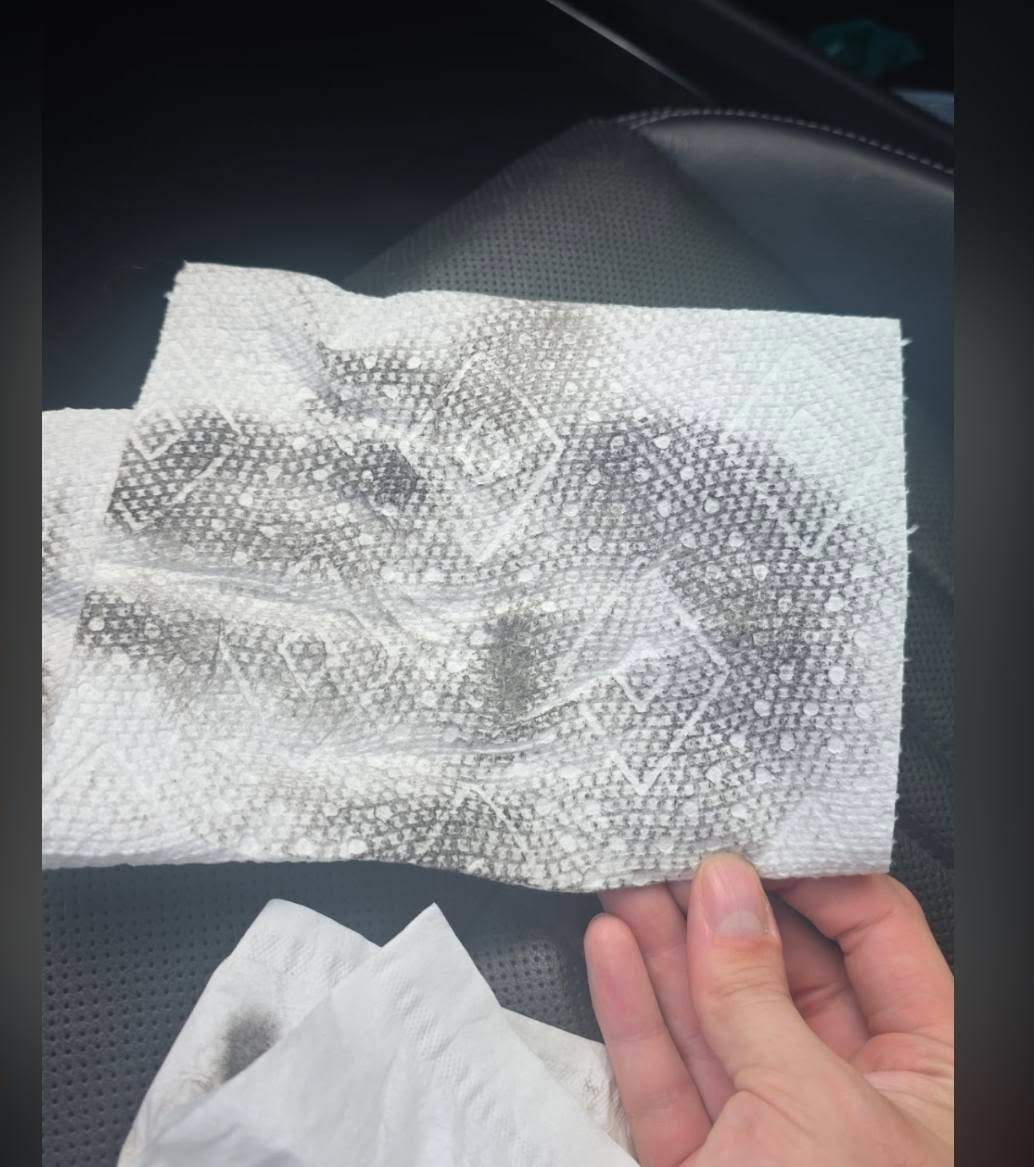
Residents in Hamilton’s north end wake up to find their cars, porches, and window sills coated in a heavy, black grease. It is not ordinary dirt. Recent research from McMaster University's "What's the Grime?" study confirms that this mysterious black fallout contains toxic chemicals and polycyclic aromatic hydrocarbons consistent with coal combustion, directly tying the pervasive grime to the heavy industrial corridor anchoring the city. For decades, locals have complained about the heavy soot blanketing their neighborhoods, while regulatory bodies frequently pointed fingers at mundane culprits like road dust. The recent scientific analysis shatters that administrative deflection, laying bare an industrial byproduct crisis that exposes families to persistent, unmonitored chemical exposure.
The fallout is tangible. People living near the city's massive steel operations have watched black flakes coat children’s playground equipment and pet paws for years. Yet official communication from provincial oversight agencies has historically lagged far behind the lived reality of the community. When ministries claim that particulate matter samples match road dust, they ignore the specialized chemical signatures that separate highway wear-and-tear from the thermal processing of metallurgical coal.
The Chemistry of the Grime
Understanding why this soot triggers intense community frustration requires looking at what happens inside industrial ovens. Steelmaking relies on coke, a purified form of carbon created by baking coal in massive, high-temperature ovens without oxygen. This process drives off volatile gases, but it also releases heavy polycyclic aromatic hydrocarbons, commonly known as PAHs.
When researchers analyzed samples collected by dozens of local volunteers across Hamilton, they found elevated levels of these exact compounds clustered close to the industrial core.
- Polycyclic Aromatic Hydrocarbons: Organic compounds formed during the incomplete combustion of coal and other organic matter.
- Coal Combustion Markers: Specific chemical fingerprints that distinguish industrial thermal processing from general urban air pollution.
- Seasonal Accumulation: Data shows higher concentrations during colder months, driven by atmospheric trapping and heating demands.
These compounds are not benign dust bunnies. Prolonged skin contact and accidental ingestion—particularly by toddlers playing in yards or pets licking soot-covered fur—introduce complex chemical loads into living bodies. Yet, municipal and provincial frameworks lack clear, accessible protocols detailing how homeowners are supposed to safely clean up this recurring environmental hazard.
Regulatory Foot-Dragging and Public Trust
The gap between corporate accountability and public health protection in Hamilton has widened into a chasm. While academic researchers stepped in to fill a void left by bureaucratic inaction, government ministries have moved at a glacial pace. Previous assertions from environmental regulators attributing the black film to simple road dust served a convenient administrative purpose. Road dust is ubiquitous, difficult to pin on a single polluter, and implies a generalized urban problem rather than a localized industrial output issue.
This defense mechanism crumbles under basic scrutiny. Road dust does not carry the precise chemical signature of industrial coal combustion found in samples gathered feet away from coke batteries.
"These findings aren't likely to surprise anyone who lives in the neighbourhoods that primarily experience the fallout," notes Dr. Sarah Styler, highlighting the disconnect between community observation and official hesitance.
For generations, industrial output has been traded off against local employment. The iron and steel sectors built the economic backbone of the city, creating generational wealth and secure union jobs. That historical bargain, however, never included an explicit agreement to silently absorb toxic particulate matter on residential porches. When industrial plants push back deadlines for adopting cleaner electric arc furnace technologies or alternative fuel pathways, the physical cost is paid in real-time by the lungs of the people living downwind.
Moving Past the Smoke and Mirrors
Scientific clarity is only the first step toward meaningful remediation. Identifying coal combustion markers in household soot shifts the burden of proof firmly back onto regulators and heavy emitters. Municipal leadership can no longer hide behind inconclusive air quality reports or generic dust classifications.
Expanded community-led sampling initiatives, involving hundreds of volunteers rather than just a handful, aim to map the exact geographical spread of the contamination with undeniable precision. As peer-reviewed manuscripts move through academic channels, the institutional pressure on provincial regulators to enforce stricter emission limits intensifies.
Clean air should not be a luxury restricted to neighborhoods far removed from the economic engines of the province. Until industrial producers are held to strict standards that eliminate the dark fallout settling on Hamilton doorsteps, the heavy shadow of coal combustion will remain an unwelcome, toxic daily guest.