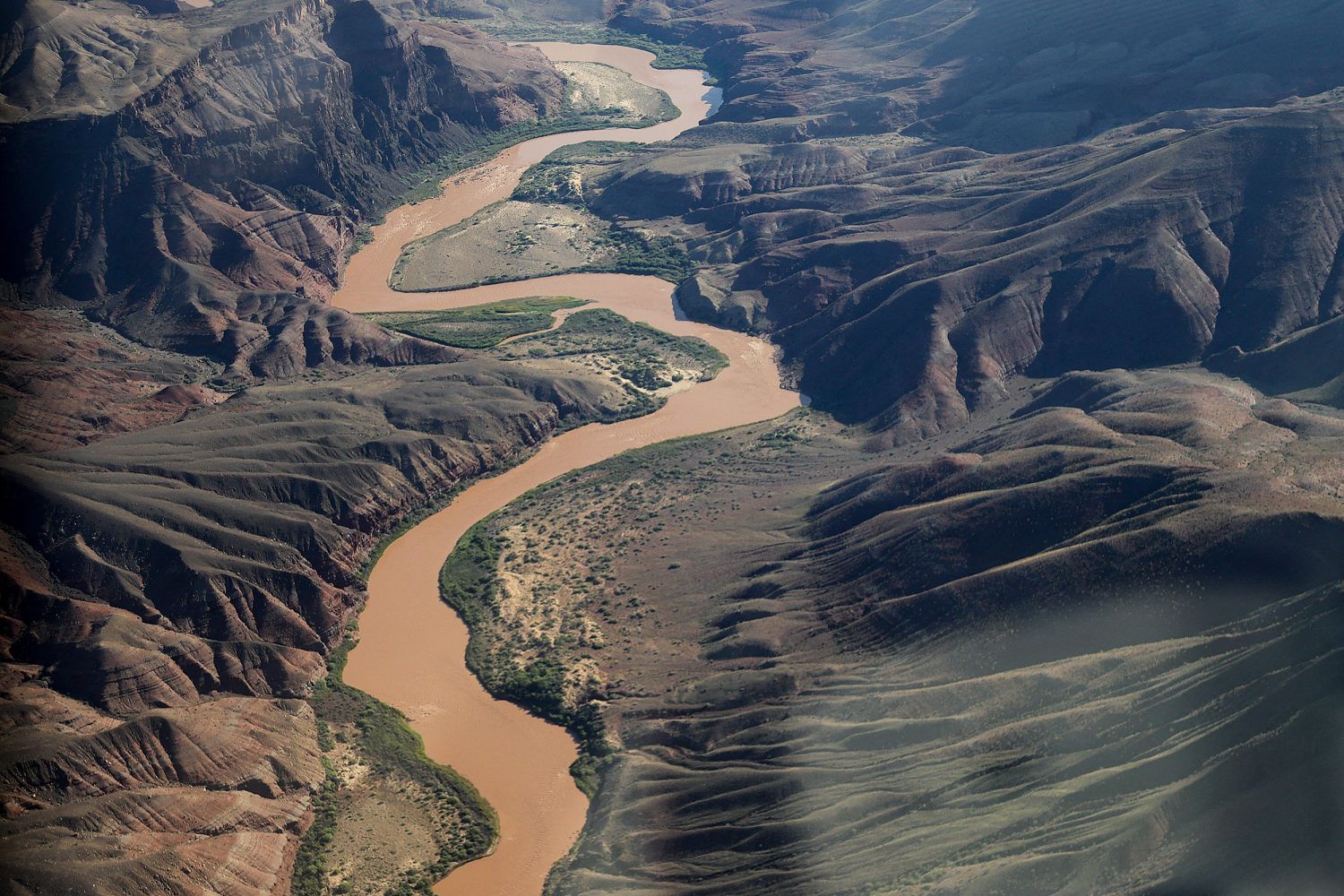
When a wall of water tore through Bright Angel Canyon, U.S. Representative David Schweikert was miles deep into a stretch of the Grand Canyon that offers no cellular safety net, no immediate shelter, and very few places to run. The veteran Arizona politician, on his first-ever river rafting trip through the gorge, heard the disaster approaching long before the muddy torrent entered his line of sight.
It sounded like a mechanical beast. A series of massive freight trains smashing directly into ancient boulders, amplified by the sheer rock walls until the noise became a deafening thunder.
That sound marks the terrifying signature of a desert flash flood, an elemental force that turns dry arroyos into lethal conveyers of rock, mud, and debris within minutes. When the storm system broke over the North Rim, it unleashed localized torrential rainfall that funneled violently down Bright Angel Creek toward Phantom Ranch. The resulting disaster left at least two people dead, triggered the emergency airlift of more than sixty stranded visitors, and sparked urgent questions about wilderness safety, infrastructure resilience, and communication gaps in one of America's most visited national parks.
The Anatomy of a Desert Catastrophe
Flash floods in the Grand Canyon do not require rain where you are standing. They are born miles away on the plateau above, where sudden summer monsoons dump staggering volumes of water onto baking, impermeable rock.
Instead of soaking into the soil, the rainfall sheets off slickrock surfaces, funneling rapidly into narrow side canyons that act as natural firehoses. By the time the water reaches the main corridor, it carries a dense slurry of sediment, uprooted trees, and massive boulders capable of reshaping the river channel itself.
For Schweikert and his group, the timing placed them directly in the crosshairs of the August 2026 event. The congressman noted that the sheer volume of material pushed into the Colorado River nearly birthed an entirely new rapid, altering the river geography overnight. Aluminum construction buildings and components of footbridges were tossed around like discarded toys, testifying to the kinetic energy packed inside the brown surge.
Infrastructure Under Siege
The human cost of the Bright Angel Canyon flooding highlights a vulnerable point in canyon management. Critical footbridges linking pathways across the raging creeks were wiped out instantly, slicing hiking routes in half and trapping visitors on isolated banks with rising water on all sides.
Park service personnel and emergency rescue teams faced a daunting logistical nightmare. With trails buried under feet of mud and key crossings destroyed, ground evacuation became impossible in many sectors. Helicopters operated through the night, pulling stranded tourists and backpackers from muddy pockets of safety while storm cells continued to circle overhead.
Maintenance crews now confront a monumental rebuilding effort. The creek bed, historically confined to a manageable width, tripled in size during the blowout, scouring away earth and leaving behind a jagged, unstable scar. Repairing these paths requires transporting materials into remote terrain where heavy machinery cannot easily go, relying heavily on specialized labor and favorable weather windows that may not open until late autumn.
The Reality of Remote Wilderness Risk
High-profile incidents involving public officials draw immediate media attention, but they also expose the broader tension between public access and wild nature. Millions of travelers descend upon the Grand Canyon expecting a curated, manageable park experience.
Yet the canyon remains an untamed desert wilderness where modern communication infrastructure is virtually nonexistent. Visitors stepping below the rim step outside the safety bubble of cellular networks and instant emergency alerts.
When Schweikert finally hiked out via the Bright Angel Trail the morning after the flood, his very first communication to the outside world was a terse message to his wife confirming he was alive. Millions of everyday hikers face that exact isolation every season, often without the benefit of satellite communication devices or organized outfitter support.
As climate patterns shift and extreme weather events grow more erratic, park officials face mounting pressure to upgrade early-warning capabilities and harden infrastructure against high-velocity water. Yet no amount of engineering can completely tame a monsoon-driven flash flood. The canyon demands absolute respect, and as thousands of stranded and rescued visitors discovered, nature always dictates the terms.
This U.S. congressman was rafting when the Grand Canyon flooded
Hear Congressman David Schweikert describe the harrowing sound of the flash flood and his experience on the river.
http://googleusercontent.com/youtube_content/1


