The quiet corridors of diplomatic compromise rarely stay quiet for long when oil is used as currency. When Washington announced an emergency energy accommodation with Moscow—a cross-border arrangement designed to channel hundreds of thousands of tonnes of Russian diesel onto global markets—the strategic shockwaves were felt instantly from Kyiv to the energy trading desks of Europe. Proponents framed the October maneuver as a pragmatic measure to cool surging domestic fuel costs ahead of domestic political cycles. But to Kyiv, the arrangement looked entirely different: a backroom accommodation that bypassed heavy sanctions while ignoring the immediate security fallout for a nation locked in an existential war.
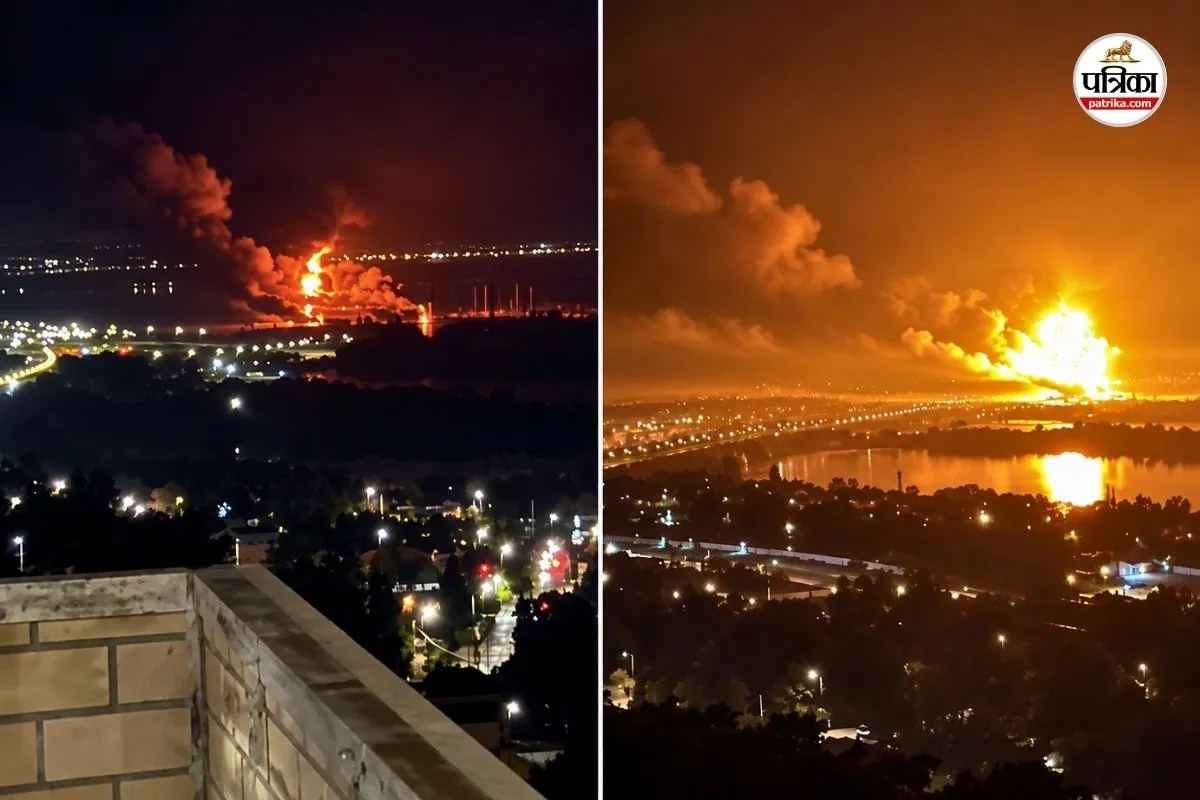
Barely hours after the White House and Kremlin outlined the parameters of the fuel supply pact, the fragile architecture of the diplomatic understanding fractured completely. Ukrainian forces responded not with rhetorical protests, but with a massive wave of long-range drone strikes targeting critical Russian petroleum infrastructure, hitting major export terminals such as Ust-Luga on the Baltic coast. The message from Kyiv was unambiguous. Strategic relief granted to Moscow's export machinery would be met with direct kinetic action against the very refineries and storage hubs keeping the Russian war chest liquid.
The Mechanics of the Arrangement
To understand why this oil and diesel accord provoked such an explosive reaction, one must examine the mechanics of the policy shift. The U.S. Treasury Department’s Office of Foreign Assets Control quietly issued a specialized general license, carving out a temporary exemption to allow specific transactions involving Russian petroleum products that had been strictly barred under prior statutory bans. The White House maintained that injecting additional fuel supply into the international market would alleviate pricing pressures for American consumers and global allies alike.
However, the timing coincided with intense American pressure on the Ukrainian military to halt its highly effective campaign against Russian oil refineries. For months, Kyiv’s domestic long-range drone program had systematically targeted distillation columns, catalytic crackers, and fuel depots across western and southern Russia. These asymmetrical strikes had successfully constrained domestic Russian fuel supplies and pinched export revenues. Asking Kyiv to stand down from these attacks while simultaneously watching Washington unlock commercial pathways for Russian diesel created an acute strategic contradiction.
The Cost on the Ground
The friction at the negotiating table translated directly into violence on the ground. Within days of the announcement, retaliatory and ongoing aerial bombardments struck Ukrainian urban centers, including devastating strikes on residential districts in Zaporizhzhia and infrastructure nodes around Kyiv. Ukrainian leadership voiced deep frustration, characterizing the arrangement as an untenable compromise that undermined their defense while providing Moscow with the economic breathing room required to sustain long-term operations.
At the same time, the financial rationale behind the Washington-Moscow pact began to face intense legal and political crosswinds. Domestically, congressional critics and state-level officials challenged the legality of overriding existing statutory prohibitions against Russian energy imports enacted in the wake of the 2022 invasion. Critics argued that issuing temporary Treasury waivers to accommodate Russian petroleum undermines the entire architecture of Western sanctions, creating loopholes that can be exploited by third-party intermediaries across Asia and the Middle East.
The Logistics of Vulnerability
On the ground in the Leningrad region and other export gateways, the reality of the conflict's physical toll became impossible to mask. Billions of rubles poured into local air defense rings have repeatedly failed to create an impenetrable dome against low-flying, mass-produced Ukrainian unmanned aerial vehicles. Each successful strike on a coastal terminal or fuel depot disrupts maritime logistics, forcing sudden recalculations among international shipping insurers and vessel operators.
When a major terminal like Ust-Luga takes a direct hit, the disruption cascades through global supply chains far faster than any diplomatic communique can be drafted. Shippers face skyrocketing risk premiums, and winter storage margins that refineries rely upon to balance seasonal demand evaporate. The notion that a bilateral political understanding could magically stabilize global fuel markets while a high-intensity industrial war raged across the primary supply source proved to be an illusion.
As winter approaches, the intersection of energy geopolitics and tactical military necessity remains volatile. The attempt to compartmentalize trade negotiations from the battlefield has collapsed under the weight of immediate security realities, leaving both Western architects and regional combatants to grapple with the fallout of a deal that satisfied neither side's core imperatives.


