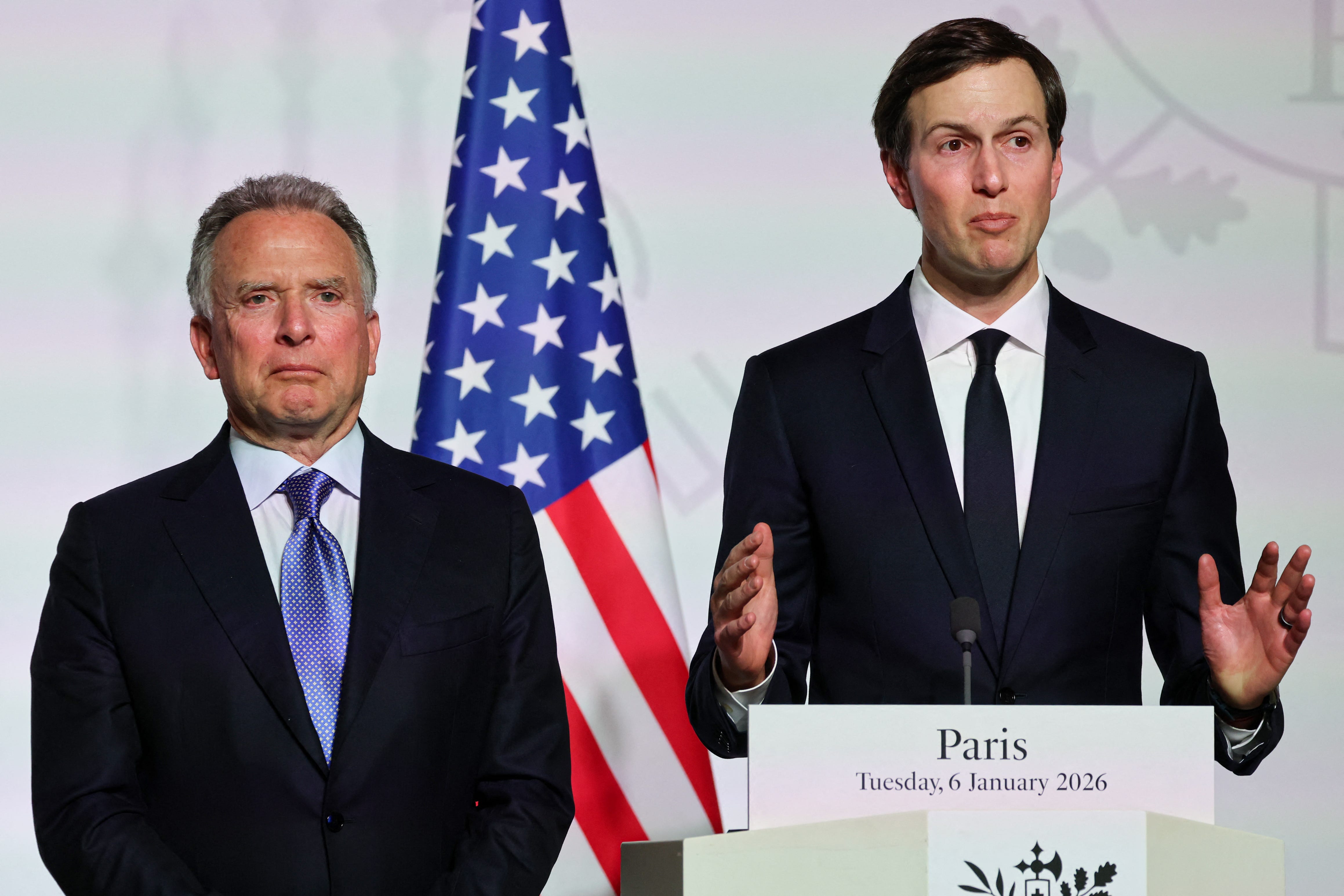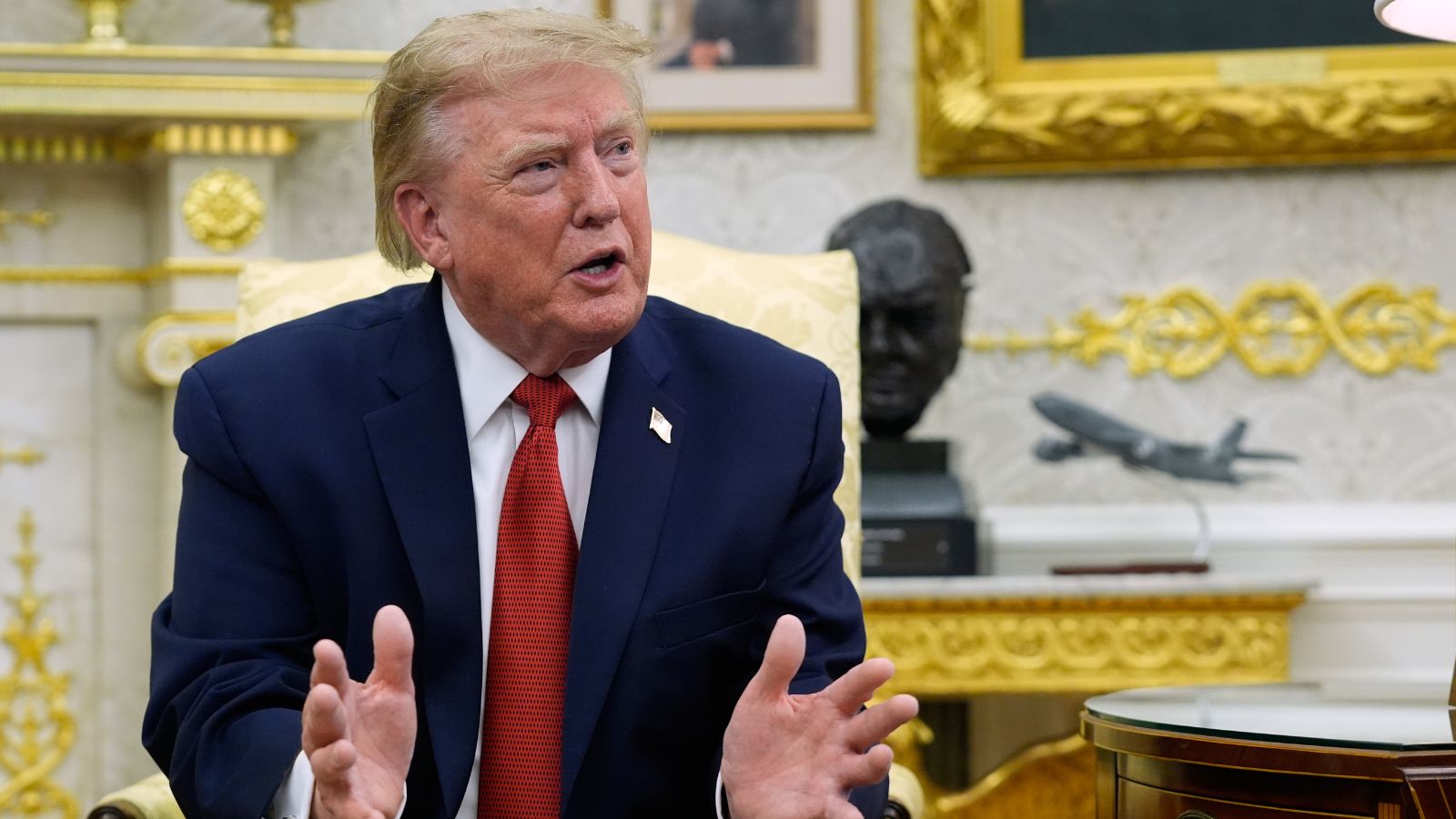
United States President Donald Trump has reignited a fierce legislative battle by pointing to India’s massive electoral apparatus, using a foreign nation handling hundreds of millions of ballots to demand immediate passage of the Safeguard American Voter Eligibility, or SAVE America Act.
By citing a recent dialogue with Indian Chief Election Commissioner Gyanesh Kumar—who questioned how American elections function without mandatory photo identification—the administration has turned international comparisons into a frontline political weapon. This push seeks to fundamentally alter American voting mechanics by mandating strict documentary proof of citizenship at registration and presenting a valid photo identity document at the polling booth. Yet, looking past the political rhetoric reveals a deeper clash over infrastructure, administrative federalism, and the logistical realities of managing a continental democracy.
The Mechanics of the Comparison
To understand why the White House keeps looking outward, one must examine the sheer scale of the systems being contrasted. In India's recent national election cycle, over 600 million citizens cast ballots. Every single participant was tied to an Electors Photo Identity Card, commonly known as the EPIC, operating alongside centralized administrative machinery.
Mail-in voting is practically non-existent in that framework, accounting for less than one percent of total turnout. The system relies on physical presence, biometric linkage where applicable, and universal identification issuance managed by a permanent, independent election commission.
By contrast, the American voting ecosystem is decentralized to its core. Run by thousands of distinct county and state jurisdictions, the system historically depends on decentralized registration rolls and state-level rule-making. While many states already enforce various forms of voter ID, federal law has traditionally avoided imposing a uniform, blanket mandate for documentary citizenship proof at the point of registration. Proponents of the SAVE America Act argue that adopting external standards is a common-sense security upgrade. Critics counter that transposing a centralized, state-issued biometric model onto a decentralized republic creates massive logistical hurdles.
The Legislative Wall in Congress
The political reality on Capitol Hill remains hostile to sweeping federal mandates. While the legislation cleared the House of Representatives, it faces a formidable roadblock in the Senate. Passing controversial electoral overhauls through the upper chamber requires overcoming the sixty-vote threshold, a high bar in a deeply polarized legislative body.
Republicans argue that plugging vulnerabilities in federal voter rolls is essential for restoring public faith in election outcomes. They point out that relying primarily on self-attestation for citizenship status leaves federal elections exposed.
Democrats and voting rights organizations fiercely oppose the measure. Their primary objection rests on the potential disenfranchisement of millions of eligible Americans. Millions of citizens lack readily available birth certificates, current passports, or documents reflecting updated legal names. Requiring these documents under tight statutory deadlines, opponents argue, creates a de facto poll tax of time and administrative burden.
Administrative Realities on the Ground
Beyond the partisan shouting matches lies an intricate operational challenge. Implementing a federal proof-of-citizenship requirement requires syncing state voter databases with federal verification systems, such as Department of Homeland Security records. Historically, federal immigration and citizenship databases were never designed to serve as real-time eligibility clearinghouses for local polling places. Discrepancies in data entry, delayed name changes, and matching errors can mistakenly flag legitimate citizens as unverified.
Furthermore, restricting mail-in voting—another core pillar of the proposed legislation—would dismantle voting habits that tens of millions of Americans have relied upon for decades. States like Oregon, Washington, and Colorado conduct entirely mail-based elections with high security and high turnout. Forcing these states to pivot toward in-person, ID-heavy bottlenecks would require a massive expansion of physical polling infrastructure, poll worker recruitment, and budgetary allocation.
The debate over the SAVE America Act is not merely a superficial disagreement over administrative preference. It is a fundamental contest over who decides the boundaries of political participation in the United States. As international examples are thrust into American domestic politics, the friction between administrative centralization and decentralized tradition continues to define the battle lines of modern governance.