The statistics of mountain accidents rarely capture the quiet transition from triumph to tragedy. When 53-year-old mountaineer Brian Seibert successfully topped out on the 13,000-foot heights of Mount Morgan in the Eastern Sierra, he experienced the acute euphoria that drives modern peak baggers. Hours later, that elation dissolved into an unsurvivable fall along the mountain's unforgiving north ridge. His disappearance triggered a multi-day rescue operation involving hundreds of volunteer hours across jagged terrain. Yet his fate highlights a glaring, underreported crisis in high-altitude recreation: the descent paradox, where the psychological architecture of success actively blinds climbers to the gravest dangers of the route.
Modern adventure culture encourages a relentless focus on the summit. Social media feeds and digital trail registries glorify the high point, turning geography into a checklist. But veteran guides and mountain rescue teams know a starker reality. The summit is only the halfway mark. When climbers achieve their objective, brain chemistry shifts dramatically. Adrenaline gives way to dopamine and fatigue. Cognitive bandwidth narrows precisely when the body requires maximum executive function to navigate loose talus, hidden cliff bands, and deteriorating afternoon light. Also making waves in this space: Inside the Bizarre High Society Trial Facing Social Media Influencer Adva Lavie.
Mount Morgan is a prime vector for this psychological trap. While its approaches draw experienced mountaineers looking for sweeping panoramas of the Sierra Nevada, the mountain does not suffer fools. The terrain above 12,000 feet demands absolute mechanical focus. Loose scree fields turn downward movement into an exercise in controlled micro-slips. A single misstep on an exposed ridge transforms an ordinary walk-down into a fatal trajectory.
Cell phone forensics and final check-in texts reveal a chilling pattern in these incidents. Climbers frequently make contact right as they leave the summit, noting their success and signaling their return. This creates a false sense of security for loved ones back home and primes the climber to rush. Darkness falls rapidly in alpine environments, swallowing trail markers and casting deceptive shadows across technical couloirs. When fatigue combines with fading light, spatial awareness degrades. Muscles that functioned reliably for hours begin to twitch and fail. Additional information on this are detailed by Reuters.
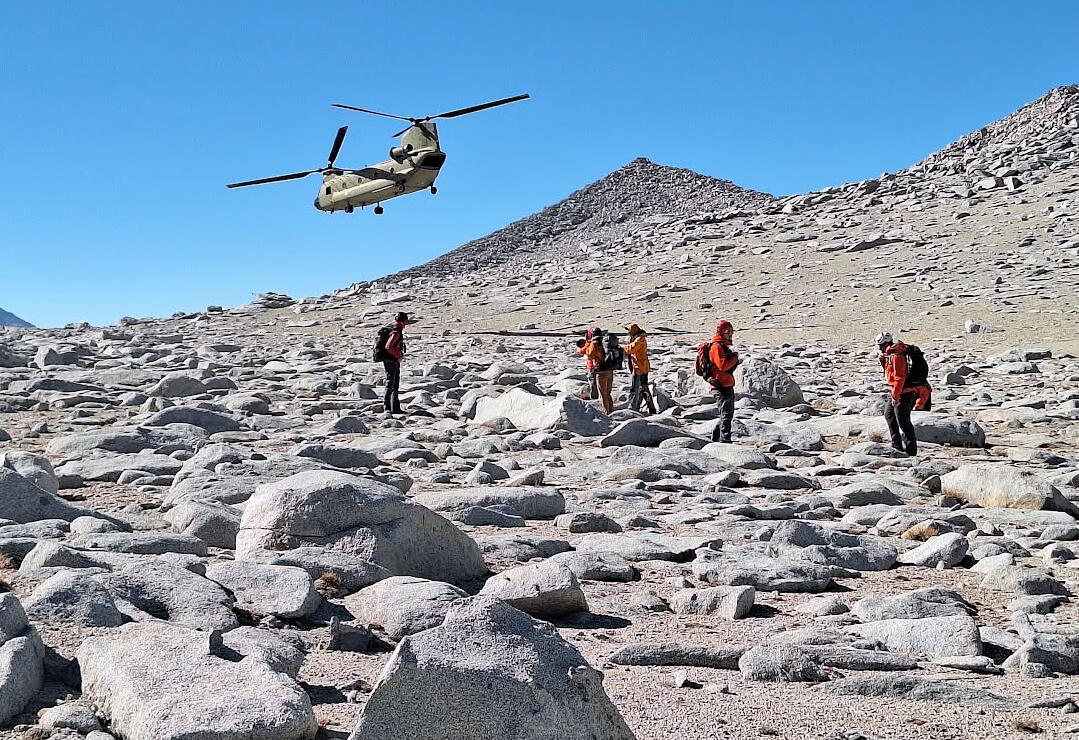
Search and rescue organizations across California face an unsustainable surge in calls driven by this exact profile. These are not unprepared tourists wandering off paved paths in sneakers. They are often fit, experienced individuals who miscalculate the cumulative toll of altitude and exposure. Every technical rescue requires volunteers to risk their own lives navigating treacherous cliff faces and unpredictable weather windows, often utilizing heavy assets like National Guard helicopters just to reach landing zones above 12,000 feet.
The culture of outdoor recreation must confront this fatal flaw. Celebrating the summit while ignoring the mechanics of safe retreat is a design for disaster. True alpine competence lies not in the speed of the ascent, but in the humility to recognize that the mountain only cares about the return. Until the community shifts its valuation metrics away from mere completion and toward total route management, the high ridges of the Sierra will continue to claim those who look up instead of down.