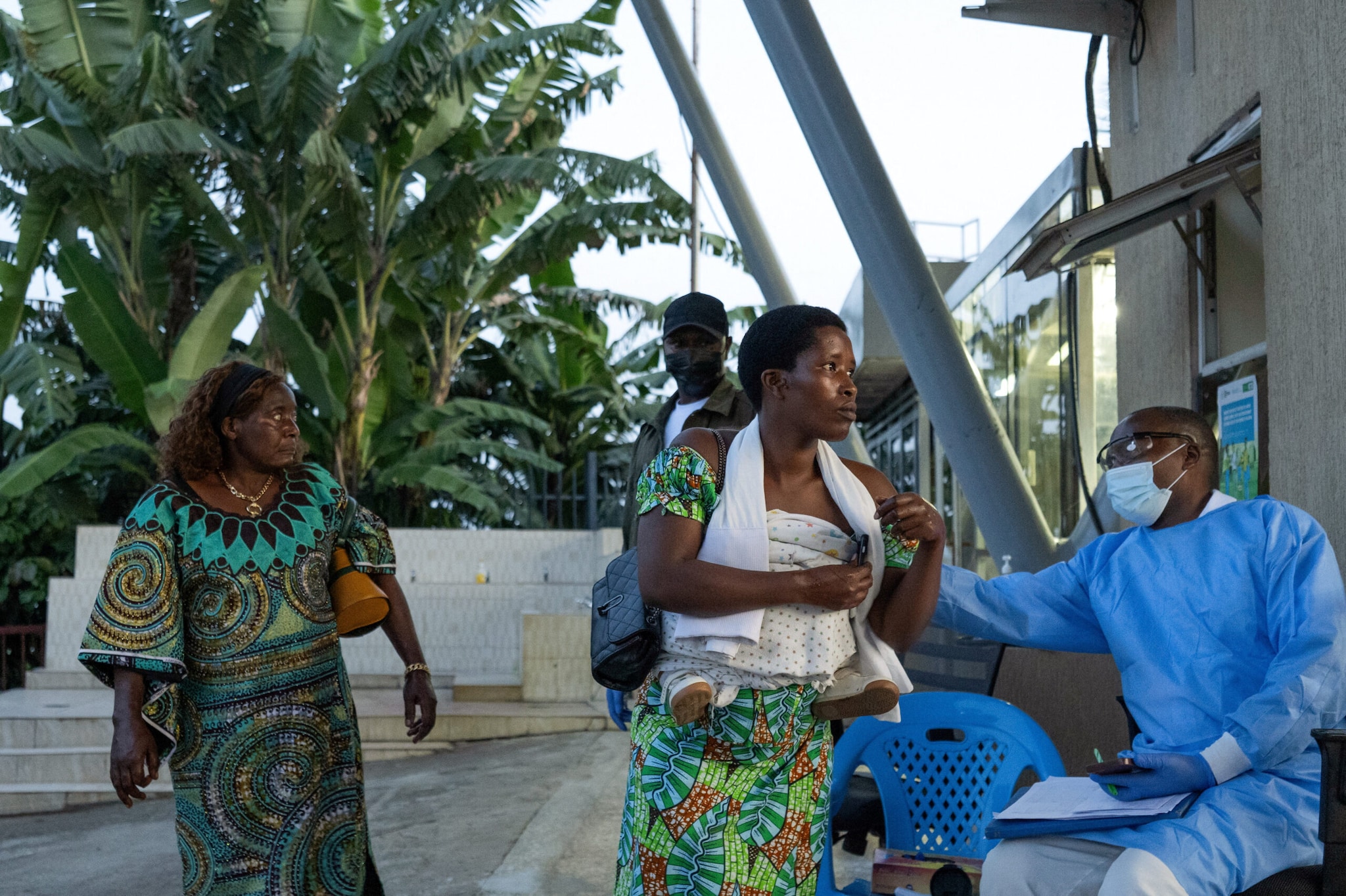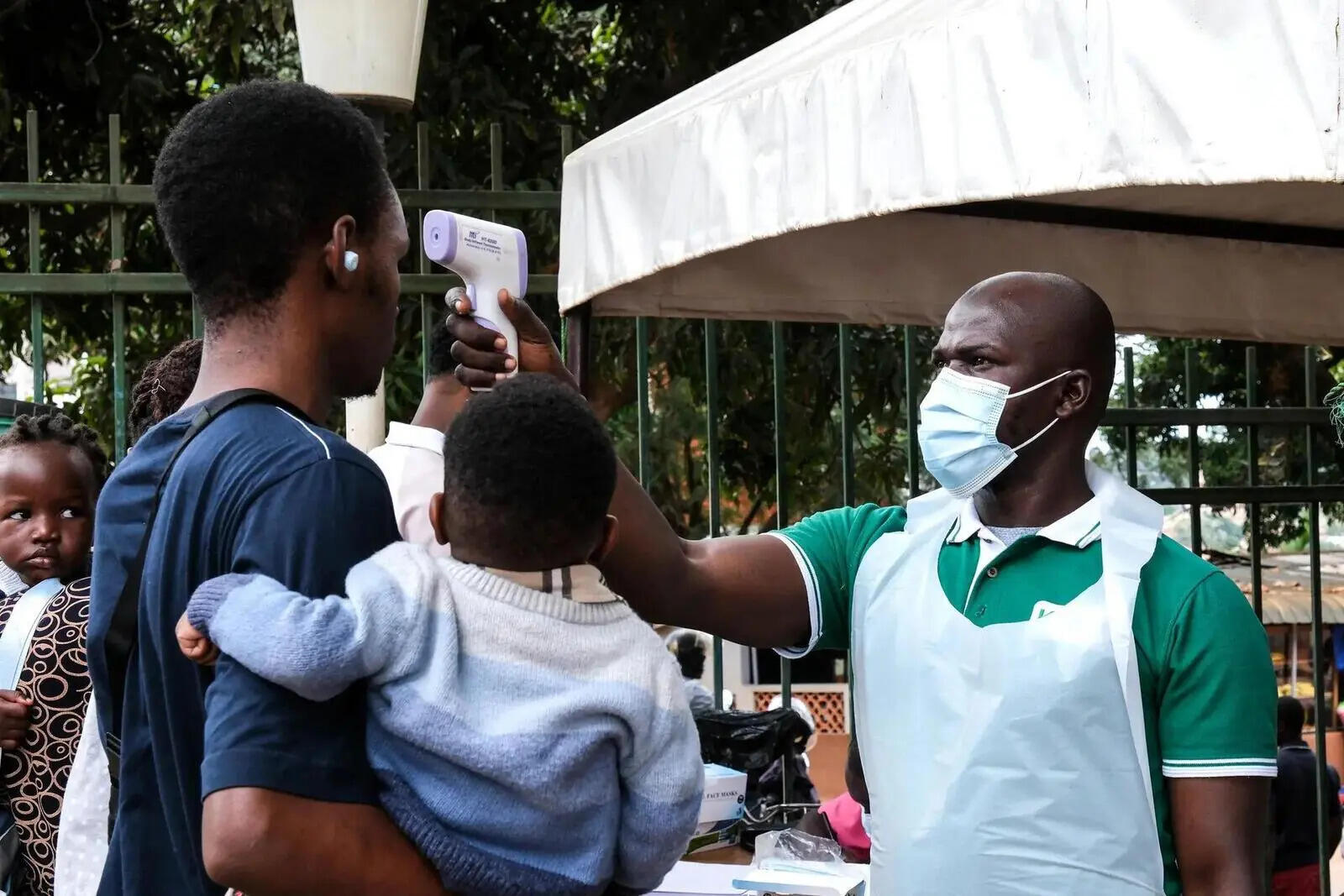
The global public health framework is quietly fracturing in eastern Africa. In the Democratic Republic of the Congo and neighboring Uganda, a newly declared outbreak of Ebola has quickly escalated, prompting the World Health Organization to issue warnings over its scale and speed. With over 513 suspected cases and 131 suspected deaths reported across major trade hubs like Bunia, Goma, and the Ugandan capital of Kampala, health authorities find themselves trailing a pathogen that ran undetected for weeks. Yet the real crisis is not just the statistical trajectory of the infection, but a glaring, systemic vulnerability. This epidemic is driven by the Bundibugyo virus, a rare variant of Ebola for which the international community possesses zero approved vaccines, zero stockpiled therapeutics, and no playbook for the urban, conflict-ridden environment it has invaded.
For the past decade, the global response strategy for viral hemorrhagic fevers relied heavily on a technological safety net. When the Zaire strain of Ebola emerged, scientists deployed highly effective countermeasures like the Ervebo vaccine and monoclonal antibody treatments. These interventions effectively turned a historical death sentence into a manageable, ring-fenced clinical event. The current crisis exposes the fragility of that complacency. By treating the victory over the Zaire strain as a blanket solution for Ebola, international donors and pharmaceutical entities left the flank wide open to alternative species of the virus.
[Image of Ebola virus structure]
The Blind Spot of Market-Driven Virology
To understand why the ground is shifting so dangerously in Ituri province, one must look at the economics of vaccine development. The market does not incentivize preparation for rare pathogens until they threaten wealthy nations or cause massive, prolonged disruption. Because the Zaire strain caused the catastrophic 2014–2016 West African epidemic and subsequent large-scale outbreaks in the Congo, it received almost all the research funding and regulatory focus.
The Bundibugyo variant, first identified in Uganda in 2007, has historically shown a lower case-fatality rate—ranging between 30% and 50% compared to Zaire’s brutal 60% to 90%. This statistical difference led to a dangerous miscalculation. It was deemed a lower priority. Now, with eight confirmed positive cases out of an initial thirteen samples collected in various health zones, the high positivity rate points to massive under-testing and deep community penetration.
Field hospitals are currently operating with little more than supportive care—intravenous fluids, electrolyte replacement, and fever management. The absence of specific antivirals means healthcare workers are fighting a modern war with nineteenth-century tools. The cost of this structural neglect is already clear. At least four healthcare workers in Ituri have died after presenting with symptoms consistent with viral hemorrhagic fever, pointing directly to a failure in infection prevention and control inside under-resourced local clinics.
A Matrix of Conflict and Displacement
A virus is only as dangerous as the environment it populates. Eastern Congo is currently an active humanitarian crisis, characterized by intense militia activity, rebel control in major cities like Goma, and an economy driven by highly mobile, informal gold mining operations.
[Outbreak Epicenter: Ituri Province]
       │
       ├─► Mining Populations (High Mobility) ──► Informal Transit Networks
       │
       ├─► Conflict Zones (Militia Presence)  ──► Weakened Hospital Infrastructure
       │
       └─► Displaced Persons (2M+ Refugees)   ──► Crowded Urban Centers (Goma/Kampula)
The mining town of Mongbwalu, one of the primary hot zones, relies on a transient workforce. Miners move fluidly through dense jungle tracts, informal checkpoints, and major urban centers without registering on any official transit grid. Tracking a contact through this network is an epidemiological nightmare. When an individual falls ill in these settings, they do not visit a state-run hospital. They seek care at informal, unregulated neighborhood clinics that lack personal protective equipment, effectively turning these facilities into amplification centers for the virus.
Furthermore, the UN Refugee Agency notes that Ituri and North Kivu host more than two million internally displaced persons. Refugee camps are characterized by high population density, shared sanitation, and severely strained clean water access. If the Bundibugyo virus establishes a firm foothold in these communities, standard containment protocols like ring vaccination are impossible to execute because the vaccine does not exist.
The Urban Acceleration
The historical saving grace of Ebola outbreaks was geography. In the past, the virus typically emerged in isolated, deep-forest villages. It burned through a small population quickly, and the sheer lack of roads prevented it from traveling. That geographical insulation is gone.
The confirmation of two independent cases in Kampala, Uganda—individuals who traveled hundreds of miles from the Congo border—proves that transport networks are moving the pathogen faster than the international response can scale up. The World Health Organization's declaration of a Public Health Emergency of International Concern underscores this reality. When an epidemic hits major urban areas, the tracking workload scales exponentially. Finding twenty contacts in a remote village requires basic footwork. Finding thousands of contacts who shared mini-buses, frequented crowded markets, or passed through international border crossings like Busunga requires an investigative apparatus that simply does not exist in the region.
The Limits of Border Restrictions
In response to the growing alarm, international policy has defaulted to familiar, defensive measures. The United States and several European nations have initiated enhanced public health screenings at major airports and restricted entry for non-U.S. passport holders who have visited Uganda, the Congo, or South Sudan within the last three weeks.
While these measures satisfy domestic political pressures, veteran field epidemiologists know they rarely halt the progress of a highly transmissible disease. Border restrictions often backfire by driving transit underground. When formal border crossings implement strict health checks or detentions, merchants, miners, and refugees utilize the thousands of informal paths cutting through the bush. They bypass the contactless infrared thermometers entirely, rendering official surveillance data inaccurate.
The focus on national containment misses the immediate operational requirement on the ground. The World Health Organization estimates it could take at least two months to manufacture, deploy, and initiate clinical field trials for an experimental Bundibugyo candidate vaccine. Dr. Anne Ancia, the WHO representative in the Congo, clarified the situation bluntly, noting that even if an experimental vaccine pipeline opens in sixty days, it takes years to fully suppress an epidemic of this nature when it integrates into an active war zone.
The immediate imperative shifts away from waiting for a pharmaceutical savior toward the grueling, unglamorous work of basic field epidemiology. This means funding local community leaders to conduct surveillance, supplying rural clinics with basic protective gear, and establishing rapid-result diagnostic labs closer to the mining hubs. Until the international community treats rare viral variants as permanent threats rather than temporary inconveniences, public health agencies will remain perpetually behind the curve, reacting to the speed of mutation with the slow bureaucracy of global aid.