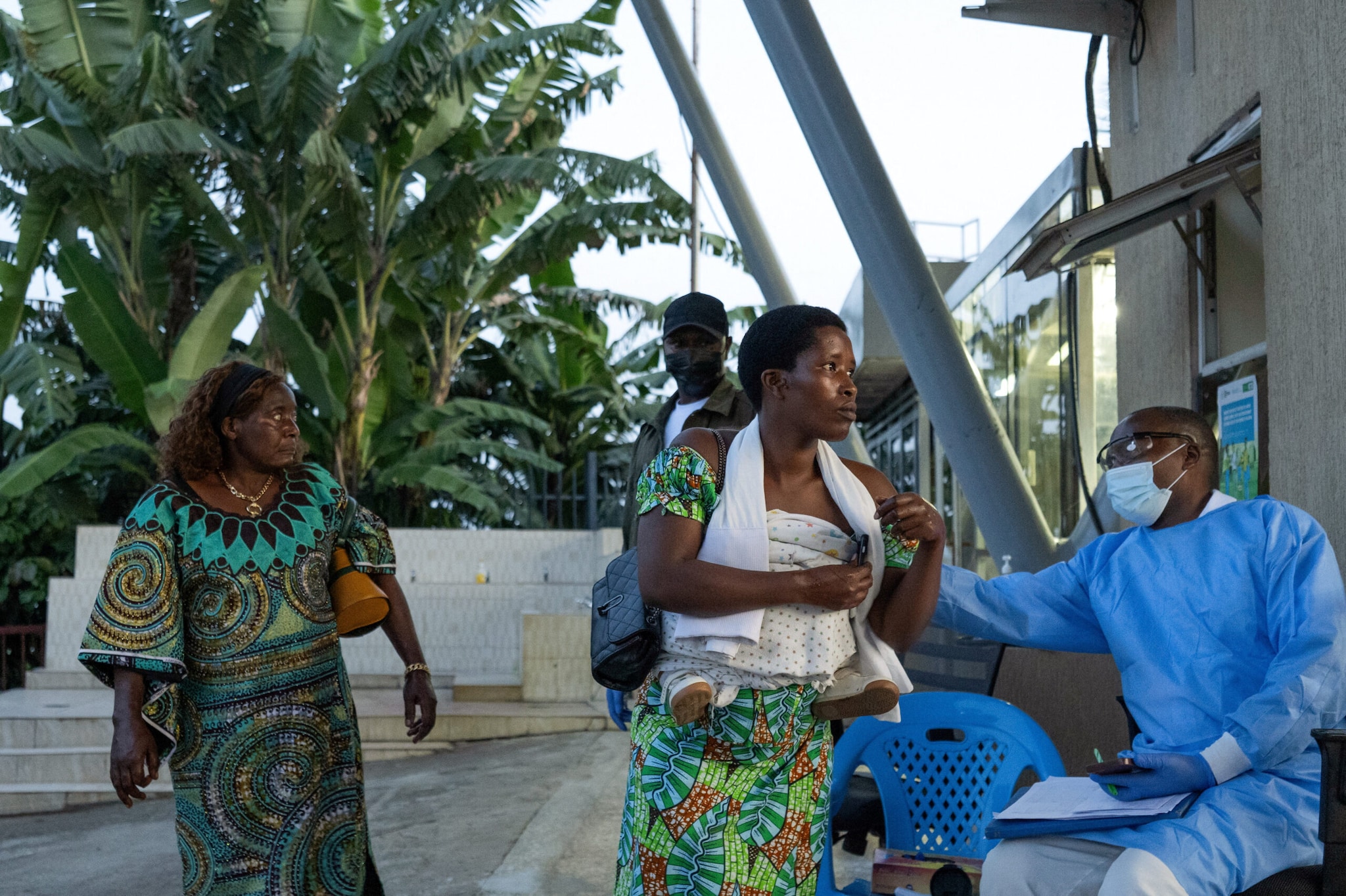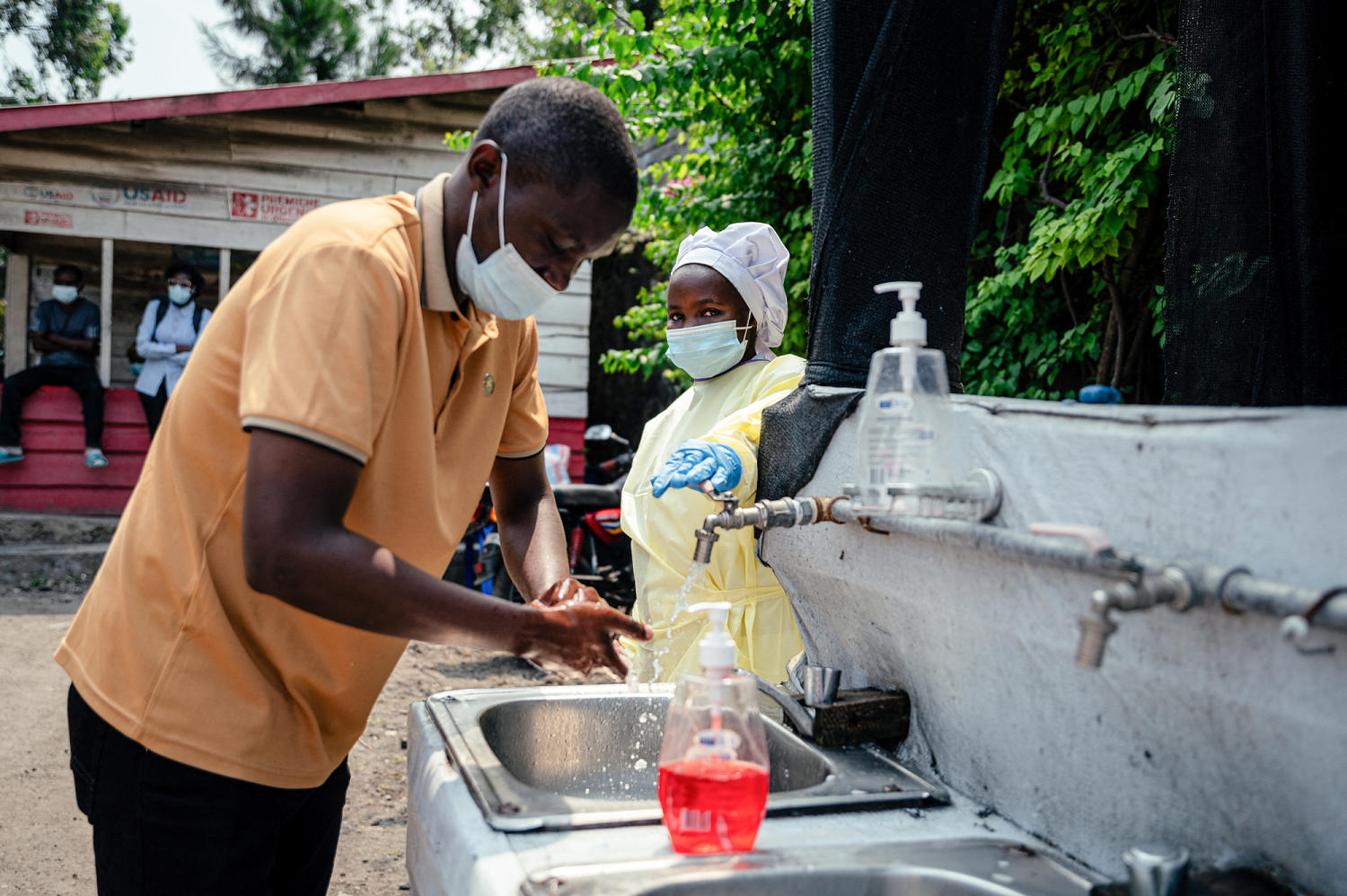
The World Health Organization recently sounded the alarm over a sharp rise in Ebola deaths in the Democratic Republic of the Congo, with suspected cases crossing 500 and deaths hitting 131. The official narrative blames the "scale and speed" of the virus, but the biological reality is far more dangerous. This is not the familiar Zaire strain we have spent a decade learning to defeat. Laboratory tests confirm this outbreak is driven by the Bundibugyo strain, a rare variant for which there is zero approved vaccine, zero proven therapeutic treatment, and zero diagnostic infrastructure ready for deployment on the ground. By the time global health officials realized what was spreading, the virus had already established a foothold in major urban hubs like Goma, Kampala, and Kinshasa.
The true failure here is not a sudden mutation of a pathogen. It is a structural blindness within global public health response mechanisms that treats all Ebola outbreaks as identical threats.
The Blind Spot of Blind Trust in Vaccines
For the last several years, international health agencies have relied on a specific playbook. When Ebola emerges, teams deploy the Ervevo vaccine, utilize ring vaccination strategies, and administer monoclonal antibody treatments like Ebanga or Inmazeb. That playbook is completely useless right now.
Those medical countermeasures were engineered exclusively to target the Zaire ebolavirus. They offer no protection against the Bundibugyo variant. Because early diagnostic screening in April automatically tested for the Zaire strain, the initial samples came back negative. The virus was allowed to circulate completely unchecked for weeks among communities and health facilities in the Ituri province because the system was looking for the wrong enemy.
This diagnostic delay explains why four healthcare workers died early in the outbreak. In a standard, well-monitored viral surge, frontline medical staff are the most protected because they isolate patients immediately. When a virus mimics general hemorrhagic symptoms but evades standard rapid tests, doctors and nurses treat patients without maximum containment protocols. They become vectors.
The Myth of the Single Source
Public health press releases often obsess over finding "patient zero" as if tracking down the initial zoonotic spillover will halt an active epidemic. In the dense, highly mobile corridors of eastern Congo, that pursuit is a distraction.
The Bundibugyo strain is not moving through an isolated rural village. It has already seeded multiple distinct clusters across deep geographic distances. When a virus shows up simultaneously in the rebel-held city of Goma, the crowded capital of Kinshasa, and across an international border in Kampala, Uganda, the classic strategy of drawing a geographic ring around an infection zone collapses.
The regional economy relies on intense population mobility. Small-scale traders, displaced persons fleeing localized conflict, and truck drivers cross these borders daily. Expecting border screenings to catch an incubation period that can last up to 21 days is logistically impossible. A traveler can pass through an entry point with a normal temperature reading, only to develop a high viral load and severe symptoms forty-eight hours later in the middle of a major transit hub.
The Cost of Post-Pandemic Exhaustion
The timing of this outbreak exposes a deeper vulnerability in global health infrastructure. Six years after the global disruptions of the late 2010s and early 2020s, international donor fatigue is at an all-time high. Budgets for global health security are shrinking, and local healthcare systems in Central Africa remain deeply underfunded and fractured.
The Global Preparedness Monitoring Board recently noted that international research and prevention frameworks have fundamentally failed to keep pace with the increasing frequency of infectious disease emergencies. We are entering this crisis with a world that is more economically indebted, politically fragmented, and less capable of sustaining a multi-month humanitarian intervention than it was a decade ago.
Relying on manufacturing entities to pivot and fast-track a Bundibugyo-specific vaccine will take time we do not have. Even if current regulatory bodies attempt to authorize experimental doses or repurpose existing vaccine platforms, field operations estimate it will take at least two months just to get those doses into the arms of frontline workers. Two months of unchecked transmission with a virus carrying an historical mortality rate of roughly 30% to 40% means the death toll will inevitably scale exponentially before the first vial is cracked open.
Ground Reality Over Polished Diagnostics
Controlling this variant requires abandoning the expectation of a quick technological fix. Without a vaccine to build an artificial wall of immunity, the response must revert entirely to aggressive, old-school public health fundamentals.
- Radical diagnostic decentralization: Supplying local clinics with broad-spectrum genetic sequencing tools rather than basic, strain-specific rapid tests.
- Aggressive community-led surveillance: Empowering local leaders and traditional healers to identify and report unexplained clusters of sickness before patients travel to urban centers.
- Safe, dignified burial alternatives: Standardizing immediate containment protocols for deceased individuals without waiting for laboratory confirmation of the specific viral strain.
The international community cannot afford to treat this as another routine outbreak to be managed with existing stockpiles. The ground has shifted, the pathogen is different, and the old tools are not coming to save us.