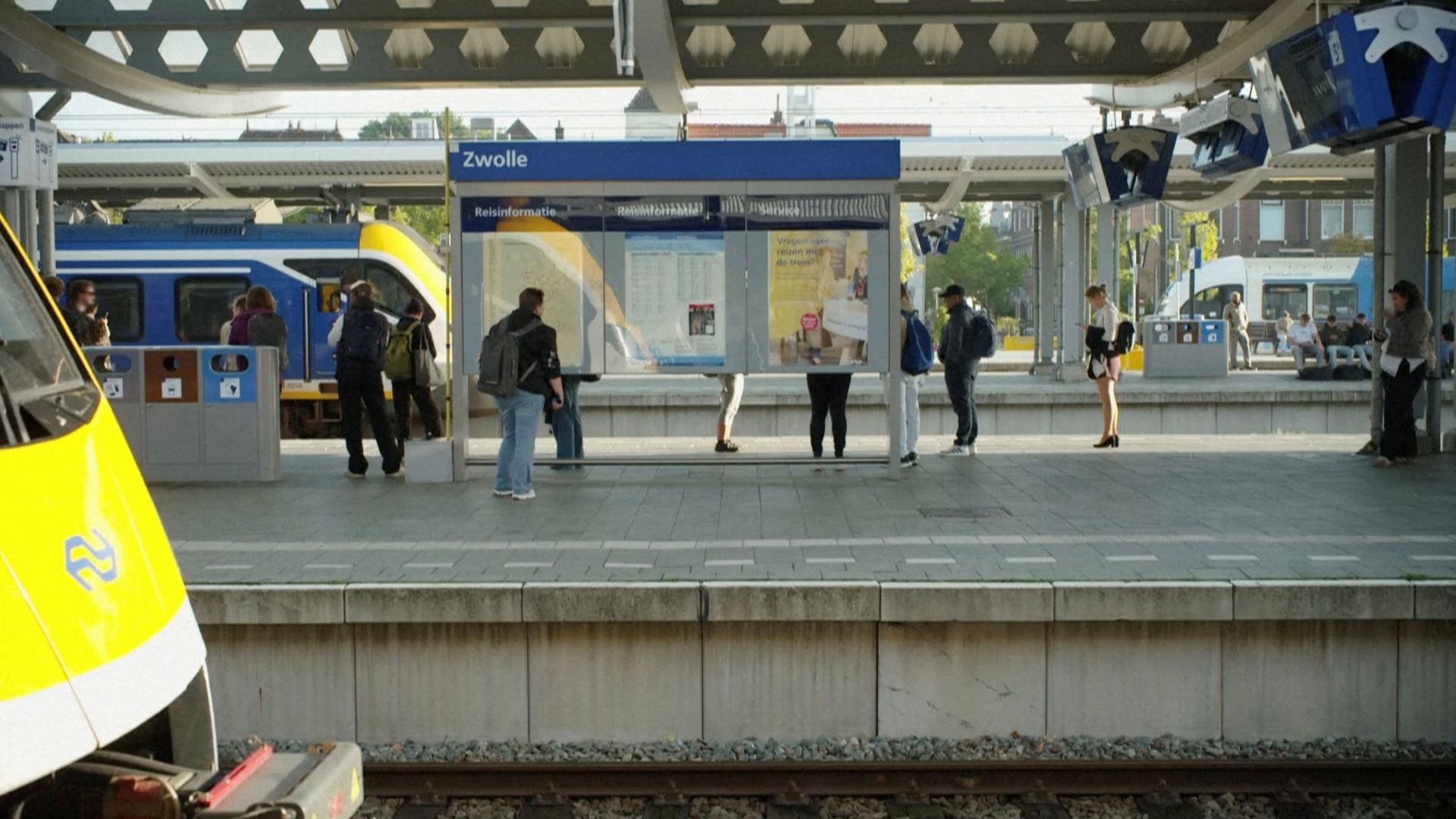
When unknown actors targeted critical components of the Dutch railway network during peak morning commuting hours, the immediate consequence was not merely a string of delayed trains; it was a stark demonstration of how fragile modern transportation arteries remain against targeted physical interference. The disruption paralyzed major corridors across the Netherlands, stranding hundreds of thousands of commuters, overwhelming station platforms, and forcing transit authorities into an emergency triage mode. This incident was not a random mechanical failure or a weather-induced signal glitch. It was a calculated disruption of infrastructure that exposed deep vulnerabilities in one of the densest and most punctual rail networks in Europe.
For decades, public transit systems have operated on a foundational premise of openness and trust. Unlike aviation or maritime sectors, which are heavily fortified by perimeter security, customs checkpoints, and strict access controls, railways sprawl across hundreds of kilometers of open countryside, urban alleyways, and industrial zones. Tracks are accessible. Cable trays run alongside ballast beds without walls or biometric sensors. When someone with basic technical knowledge decides to sever critical signaling cables or manipulate vital switch mechanisms, the entire edifice of scheduled mobility grinds to a halt in minutes. You might also find this similar article insightful: The Smoke Above the Desert.
To understand the gravity of the Dutch rush hour crisis, one must examine the anatomy of modern rail operations. The Dutch railway network, managed primarily by ProRail with passenger services heavily concentrated under Nederlandse Spoorwegen, functions with clockwork precision. Trains run at high frequencies, often departing every few minutes on core corridors connecting Amsterdam, Utrecht, Rotterdam, and The Hague—known collectively as the Randstad. This high-density scheduling leaves zero margin for error. A single minute of delay cascades rapidly through the network, turning minor hiccups into system-wide gridlock. When sabotage is introduced into this finely tuned ecosystem, the cascading effect multiplies exponentially.
The perpetrators did not target rolling stock or passenger carriages. They went after the invisible nervous system of the railway: the signaling and telecommunications infrastructure. Modern rail signaling relies on an intricate web of copper cabling, fiber optics, balises, and interlocking systems that communicate train positions, speed restrictions, and switch alignments to automated control centers. By targeting these specific nodes—often via targeted cable cuts or unauthorized interference with wayside equipment—the saboteurs achieved maximum disruption with minimal effort. They exploited the exact physical points where the network is most exposed. As reported in latest reports by The Washington Post, the effects are notable.
Initial reports from emergency services and railway investigators pointed toward deliberate human intervention. Technicians dispatched to locate faults found signs of forced entry into signaling housings and cleanly severed cables that could not be attributed to wear, excavation accidents, or rodent damage. This precision suggests a level of familiarity with railway infrastructure layout. Knowing which specific cable bundle to cut to disable a major junction requires either insider knowledge, meticulous reconnaissance, or publicly accessible technical documentation combined with a willingness to commit a serious criminal offense.
The economic and social toll of such disruptions extends far beyond missed appointments and frustrated commuters. The Randstad economic engine relies on the seamless movement of a highly mobile workforce. When the rail network stalls, productivity drops instantly. Hospitals experience staff shortages as nurses and doctors find themselves stranded on regional platforms. Delivery schedules fracture. Businesses lose millions in lost hours. Furthermore, the psychological impact on the traveling public is profound. Public transit derives its authority from reliability; when citizens begin to question whether their morning commute will be intercepted by malicious interference, confidence in public infrastructure erodes.
Emergency response protocols swung into action almost immediately, yet dispatchers faced an impossible operational bottleneck. When signaling communications are severed, automated safety systems default to the most restrictive state. Signals turn red. Switches lock in place. Trains are automatically halted to prevent collisions. While this fail-safe architecture successfully prevents catastrophic accidents, it also creates an absolute standstill. Technicians cannot simply reset a switch remotely if the physical integrity of the feedback loop has been compromised. Every single severed connection requires a physical inspection, manual repair, and rigorous safety testing before normal operations can resume.
Security analysts and transport authorities across Europe are now forced to reevaluate long-held assumptions regarding infrastructure defense. For years, the primary security concerns for railways involved metal theft—principally the illegal harvesting of copper ground wires and cables for scrap value. While metal theft can cause significant delays, the thefts are usually opportunistic and localized, targeting remote stretches of track under cover of darkness. Sabotage during morning rush hour is an entirely different phenomenon. It is designed for maximum visibility, disruption, and psychological impact.
The investigation into the Dutch incidents highlights the challenges faced by law enforcement agencies. Railway networks cover vast geographical expanses, making continuous physical surveillance of every kilometer of track economically and logistically impossible. Even with the deployment of drones, motion sensors, and closed-circuit television along high-risk corridors, determining the precise moment of interference remains daunting. Saboteurs can operate with relative anonymity, blending into the surrounding landscape, executing their objective within minutes, and disappearing before authorities register the drop in voltage or data loss at the control center.
Questions immediately arose regarding potential motives. Was this the work of disgruntled former employees, radical environmental activists seeking to draw attention to transport policies, or state-backed actors testing the resilience of critical Western infrastructure? Intelligence agencies and investigative journalists alike are treating all hypotheses with caution, avoiding premature conclusions while examining digital and physical footprints left at the scenes. In an era marked by heightened geopolitical tensions across the European continent, critical infrastructure sabotage has shifted from a theoretical risk scenario to an active operational threat.
The response from political leaders in The Hague was swift, characterized by calls for enhanced security measures and increased vigilance. However, translating political rhetoric into practical railway defense is notoriously difficult. Hardening an open rail network requires difficult trade-offs. Installing physical barriers along thousands of kilometers of track would destroy the landscape, obstruct local crossings, and cost billions of euros. Implementing stricter access controls around critical signaling hubs creates logistical friction for the thousands of maintenance workers who require daily access to keep the network running.
Railway workers themselves find operating under these conditions increasingly stressful. Conductors, station managers, and maintenance crews absorb the immediate frustration of stranded passengers while facing heightened personal security risks. Maintenance engineers deployed to repair sabotaged cables in the dark or during chaotic daytime windows operate under immense pressure, knowing that a single rushed diagnosis could compromise passenger safety once lines are re-energized. The human element of the railway system—the workforce that absorbs the shock of these crises—often receives the least recognition while bearing the heaviest burden.
Looking at the broader European context, the Netherlands is far from alone in facing these vulnerabilities. Similar incidents of mysterious cable sabotage, communications tampering, and infrastructure interference have rattled rail networks in neighboring countries over recent years. From high-speed lines in France to freight corridors in Germany, the physical vulnerability of linear infrastructure has emerged as a critical blind spot in national security architectures. These networks were built for connectivity and economic efficiency, not for defense against asymmetric physical attacks.
As technicians finished splicing the final severed cables and regular schedules slowly resumed, the lingering unease remained palpable across Dutch platforms. The rush hour congestion cleared, but the questions raised by the incident did not dissipate. Fixing a cut cable is a matter of hours; rebuilding public trust in the resilience of daily transit requires a fundamental rethinking of how democratic societies protect the lifelines of their modern economies. The disruption served as an urgent wake-up call, proving that the greatest risks often lie hidden in plain sight along the steel tracks that bind nations together.