Another shaft caved in, and another dozen families woke up to an unimaginable void. When an informal gold mine collapsed in northeastern Sudan, leaving at least 11 miners dead and dozens injured, it barely made a ripple in global headlines. But on the ground, it marked yet another grim checkpoint in a quiet crisis. Artisanal gold mining in Sudan isn't just a dangerous job. It's a desperate gamble born from an economy shattered by war, displacement, and soaring inflation.
If you look past the basic casualty numbers, you find an entire shadow economy built on fragile wood shoring, primitive hand tools, and human desperation. Let's break down why these tragedies keep happening, how the wartime economy fuels them, and what the numbers actually tell us about Sudan's mineral wealth.
The Wartime Desperation Driving Artisanal Miners Underground
You cannot talk about mining accidents in Sudan without addressing the devastating civil conflict that broke out in 2023. Years of fighting have fractured the country's formal infrastructure, displaced millions, and left agricultural yields plummeting. With traditional livelihoods destroyed, everyday citizens face a brutal choice: starve or take a chance in the gold fields.
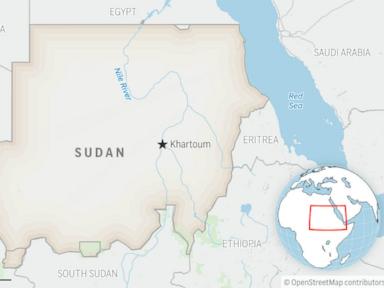
About 1.5 million artisanal miners operate across the country, working in remote desert stretches from the Red Sea state to western regions. They don't have heavy machinery, geotechnical surveys, or safety engineers. They dig deep, hand-dug vertical shafts into unstable earth, relying purely on guesswork and raw muscle. When the walls give way, rescue operations are painfully slow, often hampered by a lack of fuel, equipment, and medical infrastructure.
Why Informal Mines Collapse So Easily
To understand the mechanics of these disasters, you have to look at how these makeshift operations function. Unlike industrial mines that use advanced reinforcement, concrete lining, and continuous monitoring, traditional Sudanese gold pits are amateur excavations.
- Unshored Tunnels: Miners dig narrow shafts deep into sandy or rocky ground without proper timber or metal supports.
- Heavy Rains and Flooding: Seasonal downpours quickly weaken desert soil and sub-surface tunnels, triggering sudden catastrophic cave-ins.
- Overcrowding: When a promising vein is found, dozens of workers crowd into confined shafts, compounding the structural weight and risk.
- Lack of Oversight: State oversight bodies like the Sudanese Mineral Resources Company (SMRC) face massive enforcement challenges across vast, unsecured desert expanses.
A single heavy tremor or a minor miscalculation with hand tools can bring tons of rock crashing down in seconds.
The Broader Economic Picture
Gold is Sudan's most valuable export, accounting for a massive share of the nation's output. Official data previously showed annual production hitting tens of tonnes, with artisanal mining making up the vast majority of that total.
Yet, very little of that wealth trickles down to the men sweating in the pits. They earn meager daily wages while navigating lethal conditions. Meanwhile, the gold trade itself feeds into complex regional dynamics, smuggling networks, and wartime financing. The metal flows across borders, turning raw desert extraction into a geopolitical flashpoint while the actual laborers shoulder 100 percent of the risk for pennies.
Stop viewing these collapses as isolated freak accidents. They are predictable outcomes of a system where human life is treated as cheap collateral. Until structural safety regulations are enforced and alternative economic opportunities emerge for displaced populations, the desert will continue to claim more lives.