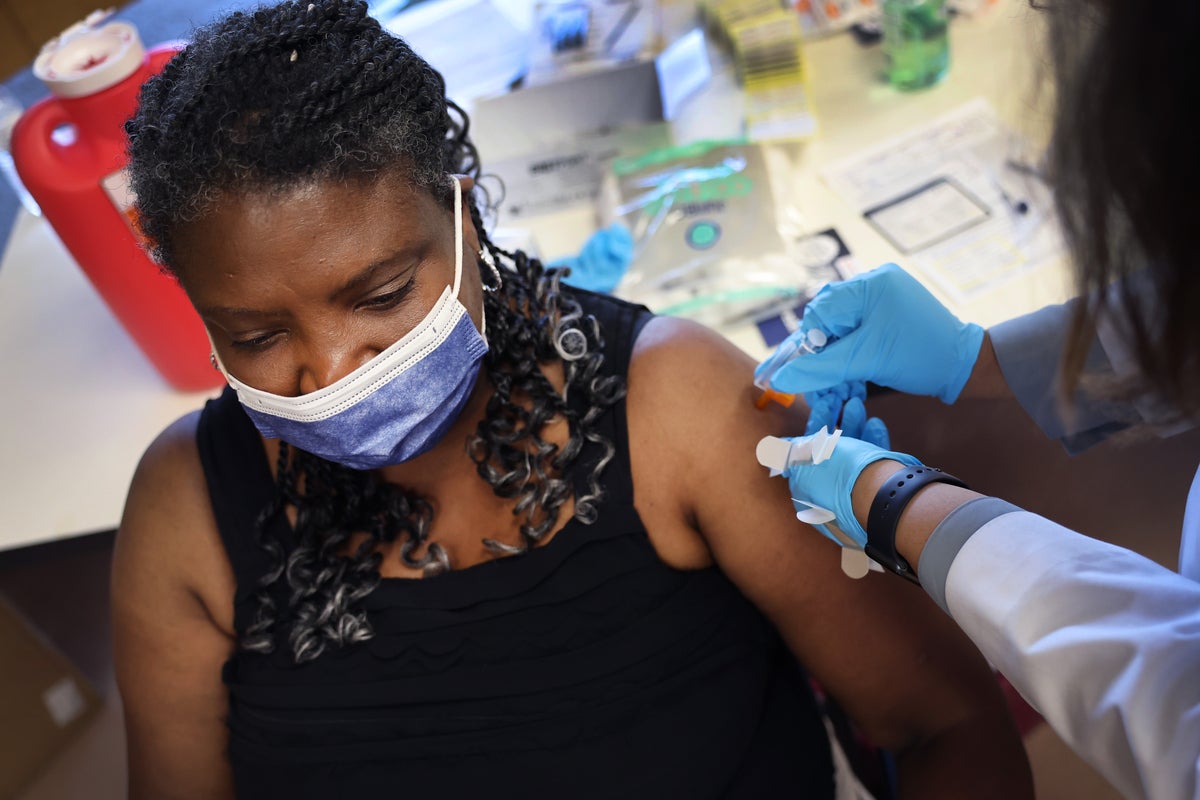
For most adults, the optimal time to receive a seasonal influenza vaccination is during September and October. Missing this narrow window or rushing to pharmacies the moment fresh inventory arrives in July creates a quiet vulnerability that public health messaging rarely addresses with enough bluntness.
Pharmacies begin rolling out their seasonal stock while summer heat still bakes the pavement. Corporate incentives reward early volume, and eager patients roll up their sleeves under the assumption that earlier protection equals better safety. Biology operates on a different, unforgiving timeline.
The Math of Waning Immunity
Antibody titers do not hold steady at peak levels indefinitely. Once an influenza vaccine triggers an immune response, protection begins a slow, predictable descent. Epidemiological data confirms that vaccine effectiveness drops by roughly eight to nine percent every twenty-eight days following inoculation.
Consider a hypothetical office worker who receives an annual flu shot on August first. The body mounts a robust defense within two weeks, achieving peak antibody concentration by mid-month. By the time influenza viruses begin circulating widely in December, that initial wall of protection has eroded significantly. By the time the season hits its historical peak in February, the residual defense has dwindled to a fraction of its original potency.
The decay curve is not uniform across demographics. Older adults experience an even steeper monthly drop in efficacy, often losing ten percent or more of their protective antibodies per month. For a demographic that relies most heavily on vaccine-induced immunity to prevent hospitalization or death, early administration becomes an active disservice.
The August Trap and Institutional Pressures
Why do clinics push immunization months before the virus arrives? Administrative convenience and financial models drive the push. Public health agencies must balance individual physiological optimization against the macroeconomics of mass distribution. If every clinic waited until October to administer doses, the sheer logistical bottleneck would leave millions unprotected until winter was already underway.
Pharmacies solve this distribution problem by stretching the season out. They gamble that an early vaccine is better than no vaccine at all. From a population-health ledger, that trade-off makes mathematical sense. For the individual patient who contracts a virulent strain in January because their August dose expired, that institutional calculus offers cold comfort.
Public messaging often treats the fall schedule as a rigid commandment rather than a biological negotiation. September and October represent a compromise zone. This window ensures that two weeks have passed before community transmission spikes, while keeping the descent of antibody levels from hitting rock bottom before the worst of winter clears.
Exceptions to the Rule
Rigid calendars fail when applied to complex human lives. Specific sub-populations violate the standard autumn timeline out of biological necessity.
Pregnant individuals in their third trimester during the summer months face a distinct clinical calculus. Waiting until October to seek protection misses the critical window for placental antibody transfer. When a pregnant patient receives the vaccine in August, they manufacture and pass protective antibodies to the fetus. This shields the newborn during their first six vulnerable months of life when they are ineligible for direct vaccination.
Pediatric patients undergoing their initial influenza immunization series require an entirely different roadmap. Children between six months and eight years old receiving their first shot need two separate doses spaced at least four weeks apart. Delaying the first injection until October means the second dose will not land until November or December, leaving the child unprotected through the early waves of autumn outbreaks. Starting these children early in late summer is a clinical necessity, not a premature error.
The Cost of Waiting Too Long
Procrastination carries its own distinct penalties. Delaying the process past Halloween under the theory that protection will stretch deeper into spring introduces a different hazard. Influenza outbreaks do not wait for bureaucratic precision. An aggressive community outbreak in November can easily outpace a delayed appointment schedule.
Logistics also conspire against late adopters. Local clinics routinely run through their preferred vaccine inventories by mid-winter, leaving fewer options for those who attempt to time the absolute peak of the season. Finding a specialized high-dose formulation for an elderly relative in January can turn into an exercise in frustration.
Navigating the Window
The system forces a compromise between early expiration and late exposure. Walk into a clinic during the final weeks of September or the first fortnight of October. This specific timing bridges the gap between biological decay and seasonal arrival.
Public health campaigns should spend less energy pretending that vaccine durability is infinite and more energy teaching patients how to synchronize their biology with viral reality. Until supply chains and vaccine technologies evolve to provide multi-season defense, mastering the calendar remains the primary defense mechanism against a mutating pathogen. Mark the calendar for the start of autumn, skip the July rush, and let the biology work on a schedule that actually protects against the winter ahead.