A confirmed Ebola case in Nigeria tied to an East African outbreak exposes a structural blind spot in how African health authorities track mobile populations across distinct viral lineages. Health ministries often treat outbreaks in West and East Africa as separate epidemiological universes. That assumption is dangerous. When a traveler carries a filovirus from one region to another, surveillance gaps between national agencies, airline manifest delays, and outdated assumptions about which strain is circulating can turn an isolated import into a wider public health emergency.
I have covered infectious disease emergencies and health logistics across three decades. You see the same pattern repeat whenever a high-consequence pathogen jumps borders. Press releases arrive fast. Ground-level contact tracing lags behind.
Why Cross-Region Spread Catches Systems Off Guard
Public health institutions tend to organize their expertise geographically. West Africa built deep institutional memory during the 2014–2016 epidemic, when Guinea, Liberia, and Sierra Leone experienced widespread transmission and international aid poured into the subregion. East Africa, particularly Uganda and neighboring states, has long dealt with recurring spillover events tied to different ebolavirus species, especially Sudan virus, alongside Zaire ebolavirus in Central Africa.
Because those regional histories developed along separate tracks, analysts and frontline clinicians sometimes fall into mental silos. A clinician in Lagos or Abuja screening a patient with fever, vomiting, and bleeding may instinctively ask about travel to known hotspots in the immediate neighborhood, or look for malaria, Lassa fever, or dengue first. A cross-continental link between East Africa and Nigeria forces a hard recalibration of how triage checklists and laboratory protocols are written.
Geography no longer insulates health systems the way it once did. Direct and connecting flights link major East African hubs with West African commercial centers every single day. Road corridors, informal trade networks, and family travel move people far faster than genomic sequencing or diplomatic notifications.
Consider a hypothetical scenario to see how easily friction builds. Suppose a trader travels from a town near an active East African spillover zone through a regional airport to Lagos, developing mild symptoms only after arrival. By the time a clinic suspects viral hemorrhagic fever, the individual may have visited a pharmacy, taken antipyretics, ridden shared taxis, and stayed in a dense neighborhood. Each step adds contacts. Every hour matters.
Genomic Realities and Diagnostic Friction
Ebola is not a single monolithic threat with identical clinical or diagnostic behavior. Zaire ebolavirus has historically accounted for many of the largest and most publicized outbreaks, while Sudan virus and Bundibugyo virus pose distinct challenges. Vaccines and therapeutics have advanced significantly for Zaire ebolavirus over the past decade, yet coverage, supply chains, and strain specificity remain real constraints depending on the exact virus involved.
Diagnostic readiness is where good intentions often collide with field realities. Polymerase chain reaction (PCR) assays are the gold standard for confirming infection, yet decentralized clinics frequently lack reliable cold chains, trained technicians, or steady reagent supplies. When a suspected case must be routed to a reference laboratory, hours or days pass before confirmation arrives.
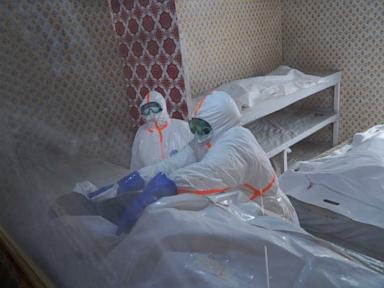
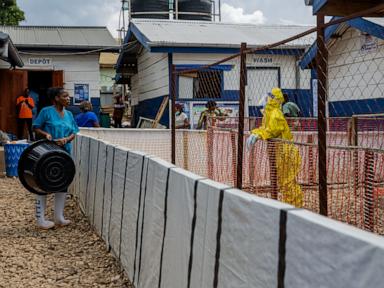
During that window, frontline healthcare workers face acute risk. Early Ebola symptoms mimic common tropical illnesses closely. Without strict infection prevention and control (IPC) habits applied universally—proper triage, isolation rooms, personal protective equipment (PPE), and safe waste handling—nosocomial transmission can ignite before an outbreak is officially named.
Health workers know this better than anyone. Exhaustion, understaffing, and delayed hazard pay erode protocols over long shifts. When a surprise import occurs far from a known outbreak zone, the element of surprise itself becomes a hazard.
The Politics of Transparency and Economic Shock
Confirming an Ebola case is never purely a medical event. It is an economic and political earthquake.
Governments face a brutal dilemma when a single imported case is detected. Announce swiftly and risk triggering flight suspensions, border closures, trade slowdowns, and domestic panic. Delay announcement while waiting for secondary verification and risk losing precious days of contact tracing while eroding public trust.
I have watched capitals wrestle with this tension for years. Neighboring countries sometimes tighten borders abruptly, stranding truck drivers and traders and pushing movement into unmonitored bush paths. Official checkpoints get stricter while informal crossings get busier. That backfires every time.
Transparency builds credibility, yet credibility requires constant maintenance. If officials downplay risk early on and cases later emerge, rumors fill the vacuum. In environments where misinformation spreads rapidly on messaging apps, community skepticism can cause families to hide sick relatives or avoid treatment centers altogether.
Contact Tracing Is Logistics, Not Just Epidemiology
On paper, outbreak containment sounds straightforward. Find the patient, isolate them, identify everyone they contacted, monitor those contacts for 21 days, and isolate anyone who develops symptoms.
In practice, contact tracing is grueling detective work and relentless logistics. It requires tracing phone records, interviewing exhausted or frightened family members, tracking down ride-share drivers or neighbors, and visiting households daily in heavy traffic or monsoon rain. If a contact moves from one state or neighborhood to another, handoffs between local teams can drop threads.
Data systems often struggle under sudden load. Paper logs get transcribed late. Databases in different agencies do not always sync cleanly. A tracer in the field needs accurate names, addresses, phone numbers, and exposure dates right now, not a spreadsheet reconciled at midnight.
Even when tracers find every contact, social realities complicate isolation. Daily wage earners cannot easily afford three weeks without income unless food, stipends, and basic support reach their households reliably. Without practical support, compliance slips.
Counter-Arguments and Overlooked Bottlenecks
Some commentators argue that strict travel screening at airports and land borders is the primary answer to cross-border Ebola movement. Thermal scanners and health questionnaires look reassuring on camera. They are rarely sufficient on their own.
Fever checks miss people who are still in the incubation period or who have taken fever-reducing medication before boarding. Self-reported travel histories fail when passengers fear quarantine, stigma, or financial loss. Screening helps at the margins, but it cannot substitute for rapid clinic triage, strong labs, and fearless contact tracing inside the country.
Another overlooked bottleneck is community trust prior to a crisis. You cannot build relationships with local leaders, traditional healers, religious figures, and community health workers on the day a positive test comes back. Those relationships have to exist during quiet months. When an imported case is confirmed in Nigeria or anywhere else, pre-existing trust determines whether residents report fevers early or treat health teams like outsiders.
Supply chain fragility is a third quiet vulnerability. Gloves, gowns, eye protection, chlorine solutions, body bags, and sample transport kits must be prepositioned and rotated before expiration. Waiting for emergency procurement after confirmation wastes critical days.
Practical Priorities for Frontline Readiness
When an Ebola case linked to East Africa is confirmed in Nigeria, the immediate test is operational discipline rather than rhetoric. Every link in the response chain has to hold under pressure.
- Audit triage and isolation at urban and peri-urban facilities: Make sure reception staff and nurses can spot high-risk travel plus compatible symptoms immediately and move suspected patients into dedicated isolation spaces without crowding waiting rooms.
- Tighten cross-border and inter-agency data sharing: Connect port health, aviation authorities, state epidemiologists, and reference labs through shared, real-time reporting workflows so movement across regions does not create blind spots.
- Protect frontline staff and lock in IPC supplies: Verify current stocks of PPE and disinfectants, refresh practical drills, and ensure rapid, transparent communication with healthcare unions and hospital managers.
- Deploy clear, plain-language risk communication: Give the public accurate facts about how Ebola spreads—through direct contact with body fluids of symptomatic patients or contaminated materials, not casually through the air—to curb panic and stigma.
- Support contacts and affected families: Pair daily symptom monitoring with practical assistance so people can stay put safely if they develop symptoms.
What This Moment Demands Going Forward
A cross-continental link between East Africa and Nigeria is a wake-up call to retire outdated regional habits. Pathogens move along human networks, not along the lines drawn in public health textbooks.
Real preparedness shows up in quiet routines long before headlines break. Check the lab supply inventory today, test the contact-tracing handoff before a surge hits, and speak plainly to the communities whose cooperation decides whether a single confirmed case stays a single case.