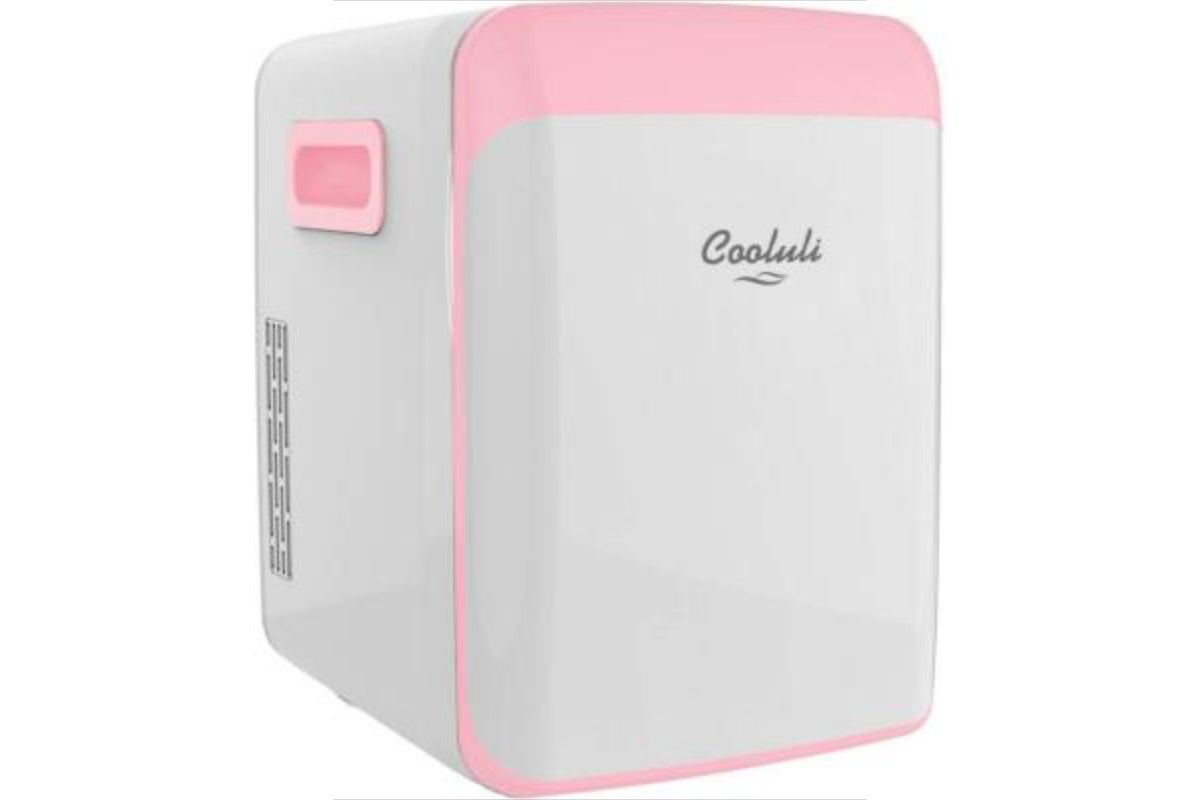
When a quarter of a million compact thermoelectric appliances suddenly become a structural liability, the fallout extends far beyond a routine administrative warning. The recent coordinated action by the U.S. Consumer Product Safety Commission involving approximately 250,000 Cooluli 10-liter and 15-liter minifridges highlights a troubling vulnerability in modern consumer electronics. These units, retailing between $80 and $120 and marketed heavily across online storefronts like Amazon as sleek additions to dorm rooms, offices, and bedrooms, harbor a dangerous mechanical flaw. An internal selector switch designed to toggle between cooling and warming modes can short circuit and overheat, transforming a convenience item into a thermal hazard.
We have seen this pattern before. Small, low-cost appliances manufactured overseas and distributed rapidly through digital marketplaces often bypass the rigorous, time-tested safety verifications historically enforced by legacy hardware brands. Understanding how 250,000 units with internal electrical architectures prone to catastrophic failure managed to flood households for half a decade requires looking at the mechanics of contemporary supply chains, regulatory blind spots, and the hidden costs of convenience. For an alternative perspective, see: this related article.
The Anatomy of a Thermal Failure
The technical failure mechanism at the heart of the Cooluli recall is deceptively simple and notoriously destructive. These specific units utilize thermoelectric cooling and heating modules, relying on the Peltier effect to shift temperatures. A manual selector switch on the rear or side handles the inversion of electrical polarity, shifting the unit from chilling soda to warming skincare products or food items.
In the affected older production batches manufactured with internal power supplies between January 2019 and October 2024, that mechanical switch was subjected to continuous electrical current loads near its operational threshold. Over time, repeated toggling or prolonged operation under thermal stress leads to micro-arcing inside the switch housing. Resistance builds up at the contact points. Resistance generates localized heat. Once the temperature inside the switch assembly breaches the degradation point of the surrounding plastic housing, the material melts, sparks fly, and an open fire ensues. Similar analysis on the subject has been provided by NBC News.
The federal regulatory agency has logged at least 19 distinct incidents involving these appliances smoking, sparking, burning, melting, or catching fire. These events resulted in over $80,000 in direct property damage and at least one documented instance of smoke inhalation. For a product category meant to sit quietly under a desk or beside a bed, a thermal runaway event of this magnitude is entirely unacceptable.
The Marketplace Blind Spot
The distribution footprint of these defective appliances exposes structural flaws in online retail safety nets. Third-party marketplace platforms have democratized access to global manufacturing, allowing boutique brands to scale from regional startups to household names overnight. Yet, this velocity creates an accountability vacuum.
When a product is sold continuously over a five-year window across multiple digital channels, tracking component variations across production runs becomes a logistical nightmare. Cooluli has maintained that the issue is strictly limited to older batches utilizing internal power supplies, noting that newer iterations equipped with external power adapters are immune to the defect. However, distinguishing between a legacy internal-supply unit and a modern variant is nearly impossible for the average consumer browsing a secondhand marketplace or cleaning out a storage closet.
The digital retail ecosystem thrives on friction-free transactions. Safety recalls, by contrast, introduce high friction. Reaching 250,000 dispersed owners who purchased an inexpensive desktop fridge years ago is a monumental task. Many units have likely changed hands multiple times, migrating from college dormitories to thrift stores and garage sales without any accompanying safety literature or warning labels.
Navigating the Remediation Maze
For consumers currently in possession of an impacted Cooluli 10-liter or 15-liter unit, the official remediation protocol demands active participation. The manufacturer is directing customers to verify serial and model numbers through its online portal. If a unit is confirmed to be part of the affected batch, owners must physically disable the device by cutting the power cord, photograph the mutilated cord as proof of destruction, and submit the documentation digitally to receive a repair kit.
This do-it-yourself destruction requirement is designed to prevent fraudulent claims and ensure the hazardous appliance cannot be plugged in again. Yet, it places the burden of hazardous waste disposal squarely on the consumer. Cutting an electrical cord on a melting or scorched plastic chassis requires caution, and disposing of electronic waste containing circuit boards and chemical components demands adherence to local municipal regulations rather than casual curbside trash placement.
Furthermore, relying on a mail-in repair kit for an internal electrical switch begs a practical question. Can the average consumer safely disassemble a compact thermal appliance, replace an internal component tied to the main power supply, and reassemble it without introducing new electrical hazards? Replacing a plug or a superficial exterior shell is one thing; rewiring internal switching logic on a device that handles high current density is another.
The Broader Industry Reckoning
The Cooluli incident is a symptom of a wider industrial malaise affecting small-format electronics. As profit margins compress under the weight of global shipping inflation and fierce digital price competition, engineering tolerances shrink. Components like switches, relays, and transformers are often sourced from secondary suppliers where quality control auditing is sporadic.
When an appliance costs under one hundred dollars, the economic incentive leans toward utilizing low-cost polymer casings and generic electronic components rather than flame-retardant thermoplastics and robust industrial-grade switches. The consumer absorbs this risk, often discovering the compromise only after hearing a sharp pop in the middle of the night followed by the acrid smell of melting insulation.
Regulatory bodies like the CPSC remain perpetually reactive. They step in only after property damage thresholds are crossed, injuries are reported, or smoke inhalation claims are filed. By the time a recall is mandated, a quarter of a million latent hazards have already spent years operating inside confined residential and commercial spaces.
Check your storage spaces, verify your model numbers against official safety databases, and treat compact heating and cooling appliances with the electrical respect they demand. The convenience of a cold beverage at your elbow is never worth the price of a structural fire.