When a Texas teenager vacationing in the Caribbean became the victim of a rare barracuda attack requiring emergency reconstructive surgery, mainstream media outlets scrambled to frame the incident as a random, freak occurrence of marine misfortune. The headlines buzzed with words like fluke and tragedy. They blamed the murky water, the glint of a silver ring, or simply bad luck.
Journalists who spend decades covering coastal ecosystems know better. Nature rarely acts at random. Marine predator incidents involving humans nearly always follow a predictable convergence of environmental triggers, human behavioral cues, and sensory misinterpretation.
To understand why a predatory fish measuring up to five feet long mistakes a human limb for prey, we must strip away the sensationalism. We have to examine how coastal tourism, changing marine ecosystems, and basic predatory biology intersect beneath the turquoise surface.
Anatomy of an Ambush Predator
The great barracuda (Sphyraena barracuda) is an apex ambush hunter designed by millions of years of evolution for one primary function: explosive, blindingly fast predation.
Unlike sharks, which rely heavily on olfaction and electrical fields to track prey over distance, barracudas are visual hunters. Their large, unlidded eyes are adapted to spot movement and contrast in shallow, coastal waters. They operate on a simple visual algorithm. If something is moving, flashing, or reflecting light in a way that mimics a wounded or schooling fish, the strike command fires instantly.
[Visual Cue: Flash/Reflection] ---> [Target: Movement/Contrast] ---> [Predatory Strike: Reflexive Ambush]
This neurological wiring explains why barracuda attacks on humans are almost exclusively defensive or mistaking-identity strikes rather than acts of predatory feeding. A barracuda does not view a human as menu items. It views a splashing hand, a dangling foot, or a shiny piece of jewelry as an erratic baitfish.
Yet, treating these encounters as pure misunderstandings ignores the external pressures driving these predators closer to crowded resort beaches.
The Human Factor in Coastal Waters
Tourism brings millions of visitors to Caribbean shores every year. It also brings intense habitat disruption, artificial feeding, and a massive influx of coastal runoff.
For decades, coastal developers have altered mangrove ecosystems, dredged shallow bays, and built sprawling resort complexes right up to the high-tide line. Mangroves serve as the crucial nursery grounds for juvenile fish. When these natural barriers disappear or degrade, the local marine food web shifts.
Why Resorts Alter Local Marine Behavior
- Artificial Feeding: Tourists and local operators frequently toss scraps into the water near docks to attract fish for snorkeling excursions. This conditions predatory fish to associate human presence with an immediate food source.
- Runoff and Turbidity: Heavy coastal construction increases sediment runoff, reducing water clarity. When visibility drops below ten feet, a barracuda's visual targeting system relies entirely on stark contrasts and silhouettes.
- Structural Habitats: Docks, pilings, and marinas create artificial shade and shelter. Barracudas are ambush predators that love hanging out under piers, waiting for silhouettes to pass overhead.
When a teenager swims near a resort dock with shiny silver jewelry, wearing brightly colored nail polish, or kicking vigorously in murky water, they are accidentally broadcasting every primary trigger a barracuda recognizes as prey.
The Sensory Misinterpretation
Let us look closely at the mechanics of the strike itself.
A barracuda does not stalk a human for miles. It calculates distance, coils its muscular body, and accelerates from zero to phenomenal speeds in fractions of a second. The impact is brutal. Their teeth are needle-sharp, engineered to slice flesh rather than crush bone, which accounts for the deep lacerations and severe soft-tissue damage characteristic of these bites.
Most victims report never seeing the fish coming. That is the hallmark of an apex ambush predator.
When the animal realizes its mistake—which happens the microsecond its teeth hit dense human bone instead of soft fish scales—it lets go immediately and bolts. There is no second bite. There is no feeding frenzy. It is a single, catastrophic error of identification.
Recognizing this distinction matters because it changes how we approach ocean safety. Telling people to "be careful of sharks" does nothing to prevent a barracuda strike. The defensive protocols for avoiding a barracuda are entirely different.
Practical Mitigation for Beachgoers
If you plan to enter tropical coastal waters, you cannot eliminate risk. You can manage probability.
First, remove all reflective metal. Shiny rings, metallic watchbands, and dangling earrings act as high-contrast beacons underwater, mimicking the silvery scales of distressed sardines.
Second, avoid swimming near structures. Piers, marinas, and rocky outcroppings are favorite ambush zones for predatory fish. Give these areas a wide berth, particularly during dawn and dusk when low-light conditions impair visual hunting accuracy.
Third, monitor water clarity. If you cannot see your own feet when wading waist-deep, do not swim vigorously or splash on the surface. Thrashing water mimics a dying fish in distress, drawing curious or predatory attention from fish lurking in the shadows.
The Broader Ecological Reality
We cannot lay the blame solely on the animal, nor can we fault the vacationer for lacking marine biology credentials.
The reality is that coastal environments are changing rapidly. Overfishing of natural barracuda prey forces these predators to alter their normal foraging ranges. Climate shifts push warmer water species closer to shorelines. As human density along Caribbean coastlines increases, the statistical probability of these high-contrast encounters rises proportionally.
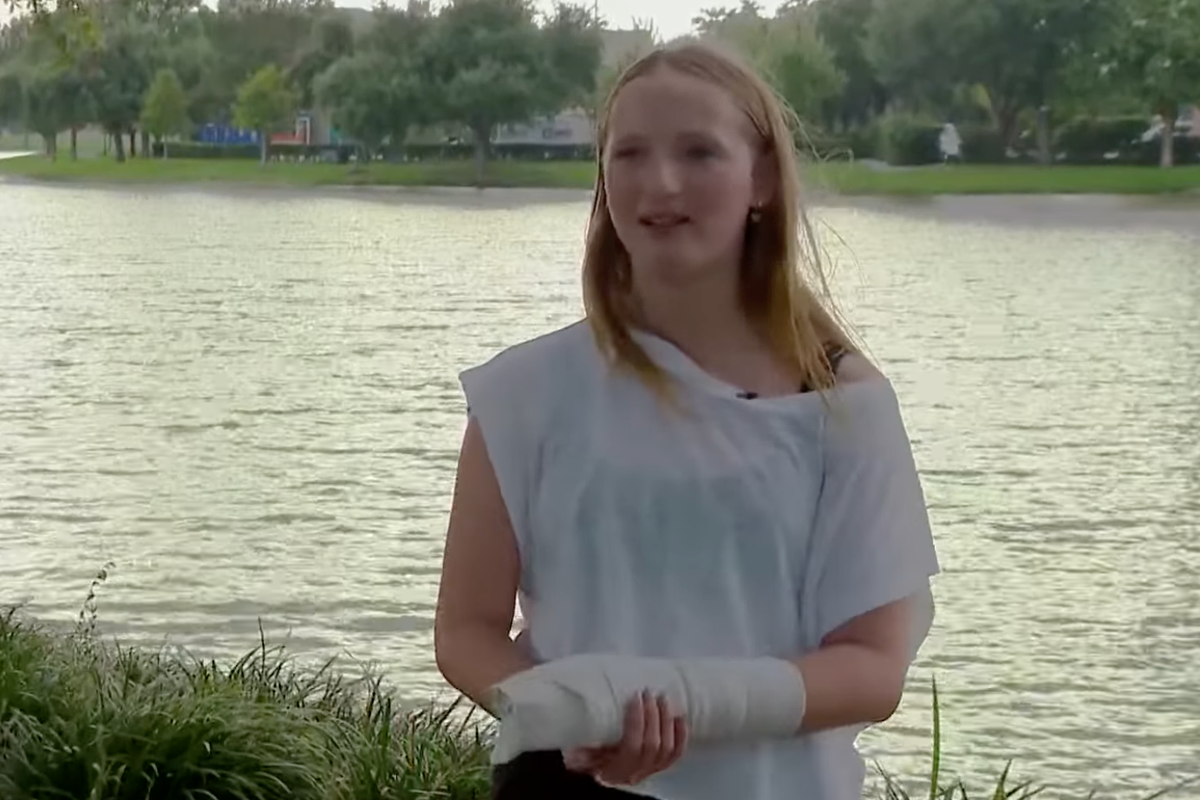
The Texas teen who underwent emergency surgery is recovering. The resort will upgrade its signage or quietly ignore the incident until the news cycle fades.
The barracuda will continue patrolling the pilings, waiting for the next flash of light in the murky water. Understanding that mechanism is the only defense we have left.