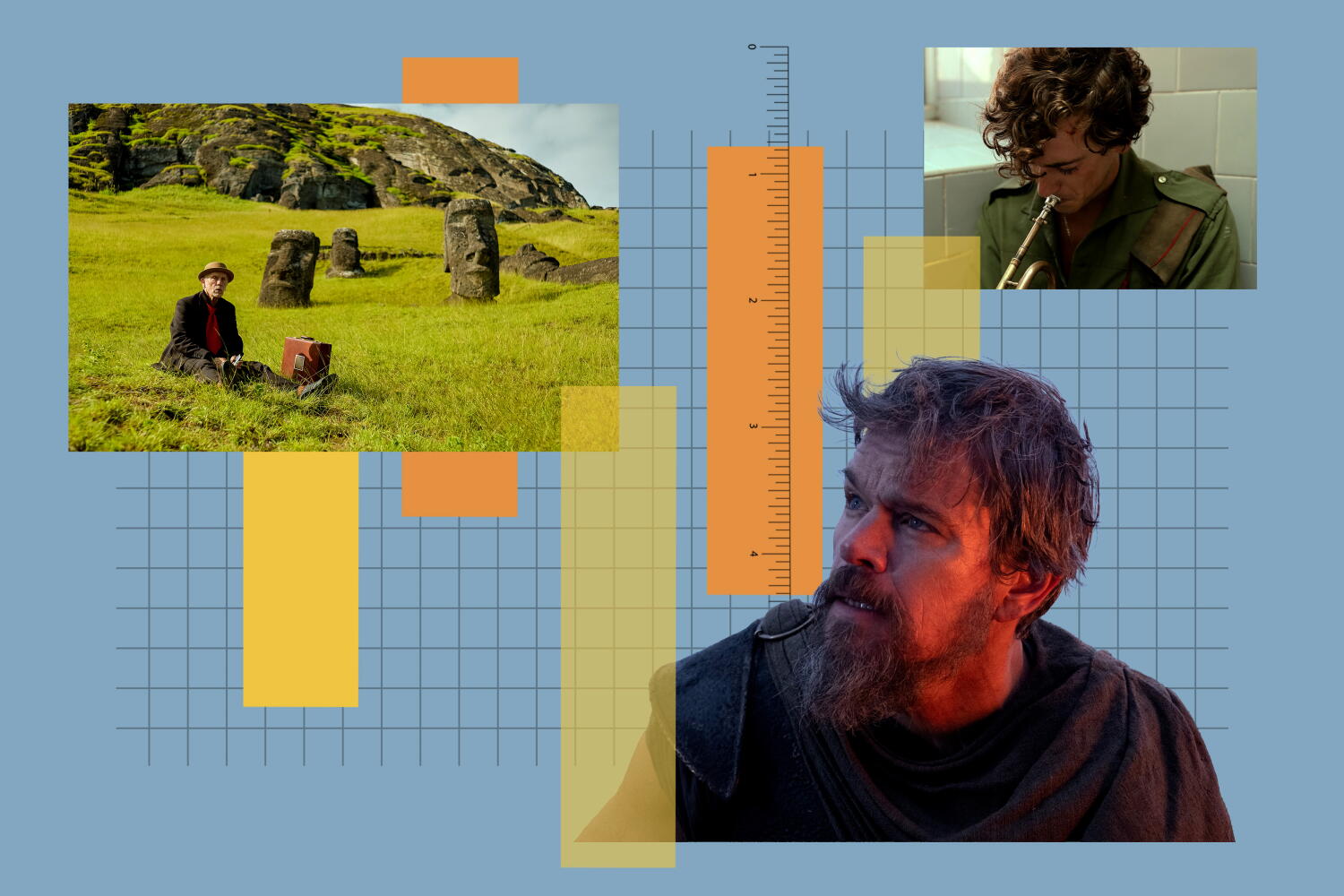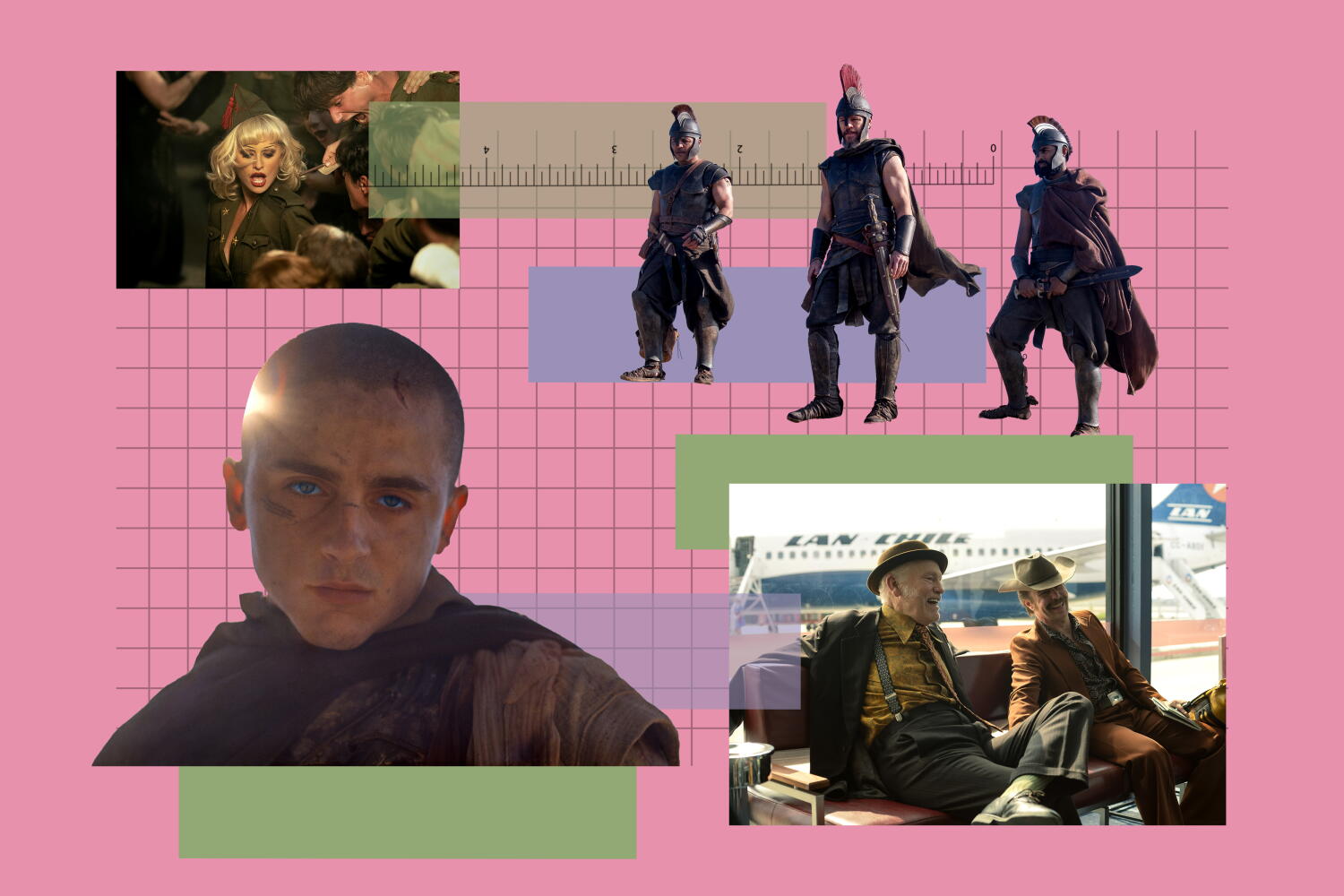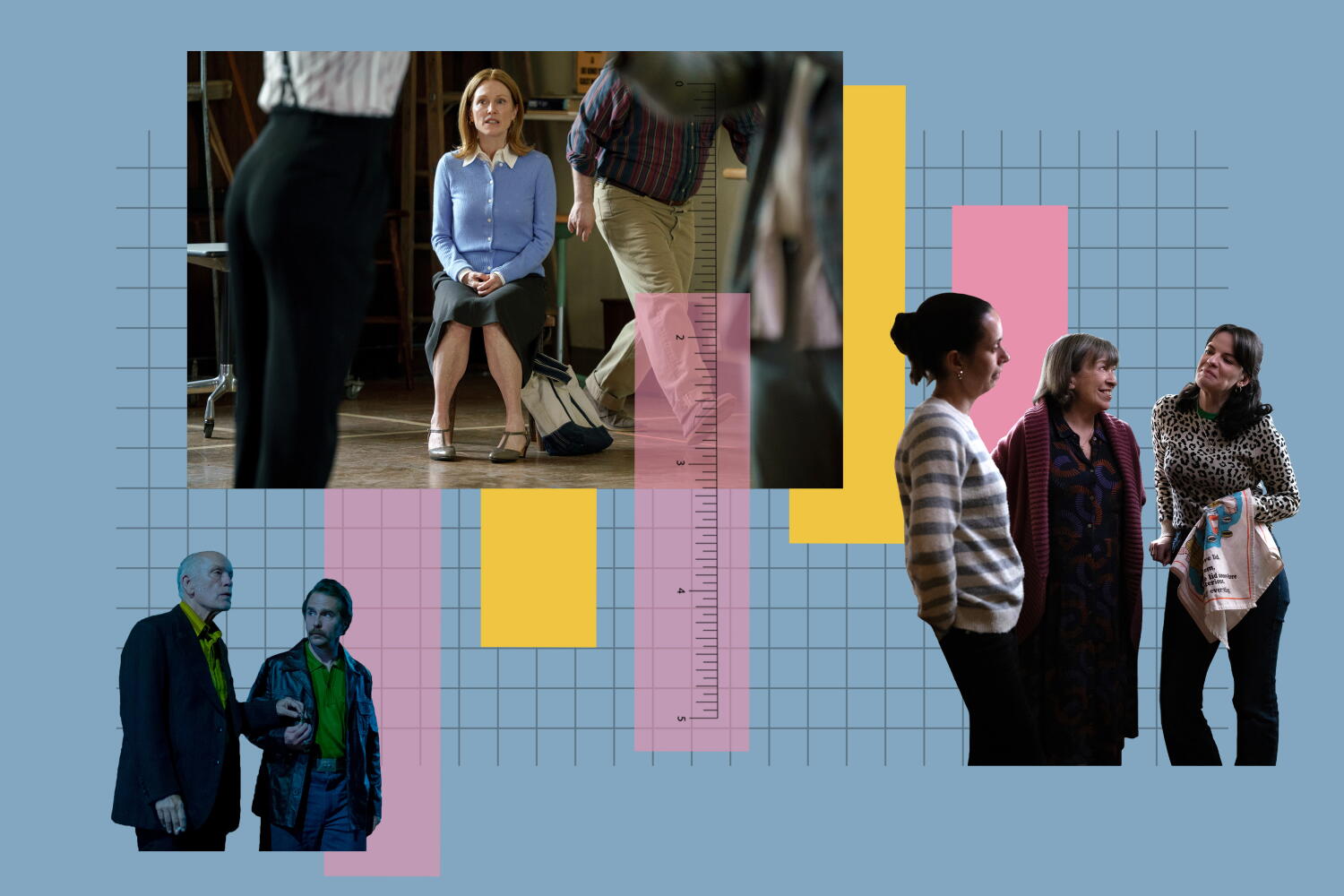
The 2027 Oscar predictions for Best Original Screenplay currently center on a fierce battle between auteur-driven studio spectacles and tightly wound international dramas, with The Odyssey by Christopher Nolan, Disclosure Day by Steven Spielberg, Digger by Alejandro González Iñárritu, Paper Tiger by James Gray, and Minamata or festival breakouts like Sentimental Value and No Other Choice dominating early branch chatter. Yet reducing this race to a mere list of frontrunners misses the structural warfare happening behind closed doors at the Academy of Motion Picture Arts and Sciences.
Pundits love to treat awards season like a clean horse race. It is not. It is a messy, deeply political referendum on what Hollywood values when theatrical attendance remains volatile and streaming algorithms continue to flatten storytelling. The Writers Branch of the Academy—historically the most protective, stubborn, and idiosyncratic voting bloc in Los Angeles—does not simply reward the movie with the most box office receipts or the loudest marketing campaign. They reward scripts that prove a human being sat alone in a room and bled onto the page.
Why the Writers Branch Breaks Every Rule
To understand who wins in March 2027, you have to understand who votes. Unlike the Best Picture race, which uses a preferential ballot across the entire ten-thousand-plus Academy membership, the Best Original Screenplay nominees are chosen exclusively by fellow screenwriters. And once those five slots are locked, the final winner is decided by a plurality vote of the whole Academy.
This creates a massive split between nomination strategy and winning strategy.
During the nomination phase, writers look for structural audacity and distinctive voice. They are hyper-aware of how a script reads on paper before a single frame is shot. A movie can have gorgeous cinematography and powerhouse acting, yet get completely snubbed by the Writers Branch if the underlying blueprint feels derivative or overly reliant on improvisation. Think back to how often massive Best Picture contenders have missed a screenplay nod simply because the branch felt the director fixed the story in the editing room.
Once the general membership steps in to pick the winner, the calculus shifts entirely. Actors, editors, sound mixers, and executives do not read the PDFs sent out by studio publicity departments. They watch the finished films. To them, "best screenplay" almost always translates to "the movie with the sharpest dialogue, the cleverest twist, or the most memorable premise."
The Auteur Heavyweights Crowd the Room
Look at the sheer density of heavy-hitting directors releasing original—or aggressively reimagined—projects for the 2026 calendar year. When titans like Steven Spielberg and Alejandro González Iñárritu enter the fray simultaneously, they suck the oxygen out of the room.
Spielberg’s return to original sci-fi with Disclosure Day (written alongside frequent collaborator David Koepp) carries immediate weight. Koepp is a master of commercial architecture. When he and Spielberg lock into a high-concept premise, the resulting screenplay usually functions like a Swiss watch, balancing large-scale spectacle with grounded human stakes. However, the Writers Branch often hesitates to reward pure genre mechanics unless the subtext cuts deep into current cultural anxieties. If Disclosure Day plays too much like a nostalgic throwback, voters will admire the craft while handing their first-place votes to something rawer.
Then there is Alejandro González Iñárritu’s Digger, starring Tom Cruise. Iñárritu already holds two Best Original Screenplay trophies on his mantle for Birdman and Babel (though the latter fell short on Oscar night, his track record with the branch is undeniable). Co-written with his Birdman collaborators Nicolás Giacobone and Alexander Dinelaris, alongside Sabina Berman, Digger represents a wild card. Cruise rarely steps outside franchise IP anymore. Seeing him anchor an original, likely darkly comedic or existential character piece from Iñárritu immediately signals to voters that the script on the page had to be extraordinary just to get Cruise to sign on.
James Gray’s Paper Tiger, featuring Adam Driver, Jeremy Strong, and Anne Hathaway, occupies a completely different lane. Gray writes in a classical, deeply tragic register that often feels out of step with modern studio trends, which is precisely why writers love him. A crime drama centered on two brothers chasing the American Dream only to get swallowed by Russian mob violence offers the exact kind of dense, character-driven dialogue that actors love to perform and writers love to champion.
The International Trojan Horse
If you have paid attention to the Academy over the last seven years, you know the demographics have shifted permanently. The aggressive push to diversify the membership brought in hundreds of international filmmakers, altering the DNA of the screenplay categories forever.
Since 2019, international or non-English language scripts have repeatedly crashed the Original Screenplay party, from Parasite and Anatomy of a Fall to The Worst Person in the World. By the 2027 ceremony, voting for a subtitled film will not be an act of rebellion; it will be standard operating procedure.
This reality puts projects coming out of Cannes, Venice, and Telluride in a lethal position. Take Park Chan-wook’s No Other Choice or Joachim Trier’s Sentimental Value (co-written with Eskil Vogt). Note the subtle traps here, though. No Other Choice is adapted from Donald E. Westlake’s novel The Ax, which automatically routes it into the Adapted Screenplay race—a crucial distinction that sloppy early predictors constantly miss. Meanwhile, Trier and Vogt’s Sentimental Value is purely original. Vogt is already an Oscar nominee for The Worst Person in the World, and their brand of intimate, psychologically acute European drama hits the exact sweet spot that the international bloc of the Writers Branch craves.
The WGA Credits Battlefield
Before any campaign strategist spends a dime on "For Your Consideration" billboards, a quiet, vicious bureaucratic war takes place at the Writers Guild of America. Every single year, one or two major contenders get kneecapped by WGA credit arbitrations or Academy classification rulings.
The distinction between "Original" and "Adapted" is rarely straightforward.
Under Academy rules, any screenplay based on previously published material—whether a novel, a short story, a stage play, a comic book, or even a prior film—must compete in Adapted Screenplay. Even a sequel featuring original characters goes to Adapted because the underlying intellectual property already exists. This rule frequently catches casual observers off guard when a seemingly fresh story gets bumped out of Original Screenplay by the branch's executive committee.
Furthermore, arbitration disputes over who actually wrote the movie can poison a campaign's momentum. Nothing cools voter enthusiasm faster than a public feud between a star director demanding a "Written by" credit and the original screenwriter who spent three years developing the draft before being fired. When a script carries four or five credited writers separated by ampersands and "and"s, voters immediately smell studio committee interference. A solo credit, or a tight, established writing partnership, always carries a massive psychological advantage on the ballot.
The Festival Launchpad Versus the Late-Year Drop
Timing remains the single most misunderstood variable in Oscar forecasting. Studios love to hold their prestige dramas until November or December, banking on recency bias to carry them through nomination voting in January.
For Original Screenplay, that strategy often backfires.
Screenplays require digestion. Voters need time to talk about a movie at dinner parties, debate its ending, and actually read the published script. Look at the historical winners over the past decade: Anora, Anatomy of a Fall, Everything Everywhere All at Once, Promising Young Woman, Parasite, Get Out. Almost none of them were late-December dumps. They premiered at Sundance, SXSW, or Cannes, building months of organic word-of-mouth consensus before the major studio publicity machines even turned on their engines.
When a studio drops a mystery box movie in mid-December, screeners arrive late, guild screenings are half-empty because everyone is burned out, and the script never becomes part of the cultural conversation. A bold original screenplay needs months to marinate. If a 2026 contender skips the fall festival circuit entirely to hide until Christmas, consider it a massive red flag regarding the studio’s confidence in the writing.
What Actually Wins the Trophy
Strip away the noise, the trade advertisements, and the early gold-derby odds, and you are left with a simple truth about what wins Best Original Screenplay.
It is the consolation prize for bold filmmaking.
When the Academy falls in love with a movie that feels too weird, too small, too dark, or too genre-specific to win Best Picture, they hand it Original Screenplay. It is how voters prove to themselves that they still have taste, that they still champion original voices in an industry terrified of risk.
Think about a hypothetical mid-budget thriller written by a first-time feature director that premieres at Sundance to rave reviews. It has no A-list movie stars, a modest marketing budget, and an ambiguous ending that frustrates mainstream audiences. It will never win Best Picture—the preferential ballot kills divisive movies. Yet in Original Screenplay, where passion and plurality rule, a fiercely loyal coalition of writers and cinephiles can easily push that script across the finish line ahead of a two-hundred-million-dollar studio epic.
That dynamic is the ultimate equalizer in the 2027 race. While the early conversation naturally gravitates toward massive names like Spielberg, Iñárritu, and Gray, the real threat is likely sitting on a hard drive right now, waiting to detonate at a festival screening and expose every safe prediction on the board.