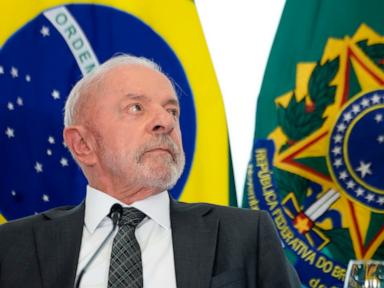
Brazilian President Luiz Inácio Lula da Silva signed a high-stakes decree and provisional measure introducing targeted tax cuts on ethanol and gasoline alongside a direct subsidy of one Brazilian real per liter for road diesel. Rolled out as global Brent crude breached the one hundred dollar threshold due to supply choke points in the Middle East, the policy directly addresses runaway filling-station costs just weeks before voters head to the polls to decide between Lula and opposition challenger Sen. Flávio Bolsonaro.
The political calendar dictates every line of these new economic interventions. Brazil stands firmly as a major global crude exporter, reaping windfall revenues from soaring international petroleum markets. Yet, the national refining capacity fails to match domestic consumption, leaving South America's largest economy exposed to imported refined product inflation. When external shocks hit, the friction between high export earnings and expensive domestic fuel creates an immediate political vulnerability.
The Haunting Specter of 2018
Every Brazilian politician remembers the paralyzing cost of fuel discontent. Back in 2018, a massive nationwide strike by organized truck drivers crippled supply chains, emptied grocery store shelves, and drained gas stations dry. That logistical collapse wiped billions from the economy and birthed a powerful political constituency that propelled Jair Bolsonaro toward the presidency.
Lula’s latest intervention is less an orthodox fiscal strategy and more an urgent exercise in political survival. By capping diesel pain at one real per liter and trimming levies on gasoline and ethanol through October ninth, the administration aims to neutralize the threat of transport walkouts. Transport costs dictate food prices. When freight gets expensive, supermarkets follow, punishing working-class voters who form the core of Lula's electoral base.
Market analysts point out the stark divergence between domestic pump prices and global benchmarks. Data compiled by financial institutions indicates that diesel inside Brazil sits roughly twenty-eight percent below international parity, while gasoline trades at a twenty-one percent discount. Maintaining these artificially suppressed margins requires extraordinary fiscal discipline or substantial state absorption of costs.
The Cost of Short-Term Relief
Subsidies of this magnitude carry heavy long-term consequences. Economists at academic institutions in Rio de Janeiro argue that while geopolitical shocks demand some cushion, the sheer scale of the current package is heavily dialed up for the ballot box. Funding fuel relief while attempting to maintain fiscal targets forces the treasury onto a razor-thin margin.
State-backed price interventions historically distort market incentives. Refiners and importers face squeezed margins, potentially discouraging private capital investment in logistical infrastructure just when the country needs supply chain resilience most. When the temporary thirty-day tax cut window expires right after the election cycle concludes, the incoming administration will face an uncomfortable reckoning over whether to extend the bleed or let pump prices snap back to reality.
For now, the government is betting that shielding the electorate from immediate price pain outweighs future budgetary strain. The strategy works on paper and at the pump today. Whether it holds up once the ballots are counted remains an open question.
Check out this Brazil fuel price cuts coverage for a closer look at how the administration rolled out these emergency economic interventions amid rising geopolitical tensions.


