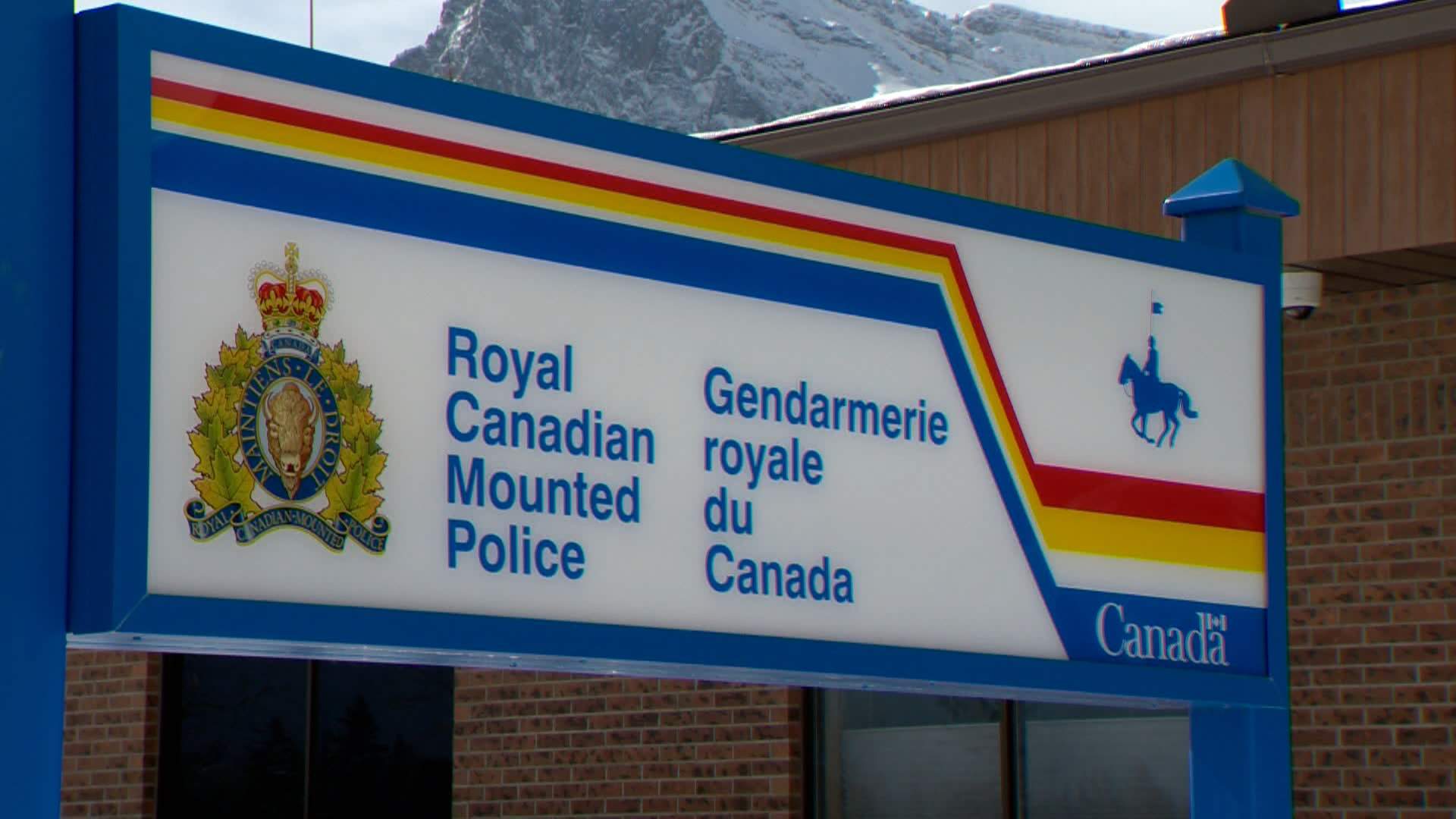
The quiet morning air along the Bow River near Canmore was shattered on Sunday, August 16, 2026, when a rafter floating east of the town discovered a body in the water. Emergency services, including Alberta Emergency Health Services, Canmore Fire-Rescue, and the local RCMP detachment, converged on the Three Sisters boat launch following a 9:40 a.m. distress call. Authorities later confirmed the deceased was a 52-year-old local resident.
While the Canmore RCMP continue to investigate the exact circumstances surrounding the tragedy, this fatal discovery is not an isolated anomaly. It is part of an escalating pattern of water-related emergencies along the Bow Valley river systems that exposes the growing friction between surging mountain tourism, local recreation, and the severe, unyielding hazards of alpine waterways.
The Deceptive Lethality of Alpine Rivers
To understand why the Bow River remains a persistent hazard, one must look past its scenic turquoise surface. Glacial-fed rivers carry unique physical properties that routinely catch even experienced locals off guard. Water temperatures hover near freezing for much of the year, inducing rapid cold-water shock that can paralyze muscles and disorient swimmers within minutes.
Beneath the surface, hidden hydraulics create powerful undercurrents and strainers. Strainers occur when fallen timber, logs, or artificial structures trap water while allowing it to filter through, creating an inescapable underwater barrier that pins objects or bodies against submerged hazards.
Local emergency logs underscore the rising danger. Earlier in August 2026, a 33-year-old man drowned at nearby Quarry Lake. Weeks prior, a separate incident required a high-risk helicopter rescue to pull three kayakers from an island after strong currents forced them directly into a log jam. Eight separate river rescues were logged in a single month during peak season.
The Strain on Local Emergency Infrastructure
The proliferation of water recreation places an immense burden on rural and municipal emergency services. Canmore Fire-Rescue and the local RCMP detachment operate with finite resources, yet they are increasingly tasked with high-acuity swift-water recoveries.
Staging operations at the Three Sisters boat launch requires immediate coordination between paramedics, firefighters, and specialized federal or provincial policing units. Every river rescue or body recovery diverts critical personnel away from community safety and routine policing.
Furthermore, the rapid influx of visitors unfamiliar with swift-water safety exacerbates the strain. Municipal leaders face a difficult balancing act. Promoting the Bow Valley as a world-class outdoor playground drives the local economy, but it also invites unprepared individuals onto waters that demand advanced technical skill and specialized safety gear.
Examining the Institutional Response
Critics argue that municipal and provincial bodies rely too heavily on reactive emergency response rather than proactive prevention. Signage along the Bow River warns of general hazards, but physical barriers or closures are rarely implemented until after a fatality occurs.
The closure of the Three Sisters boat launch following Sunday's discovery is standard procedure for a criminal or sudden death investigation, yet it highlights the lack of permanent safety infrastructure along high-traffic stretches of the river. Without mandatory life jacket ordinances for specific river corridors or enhanced public awareness campaigns detailing the mechanics of cold-water shock, emergency services will continue to fight an uphill battle.
As the RCMP probes the final moments of the 52-year-old Canmore resident, the broader systemic issues remain unaddressed. Mountain towns must confront the reality that rapid growth and untamed wilderness form a volatile combination. Until local authorities overhaul river safety protocols and invest in preventative engineering, the waters of the Bow Valley will continue to exact a heavy toll.