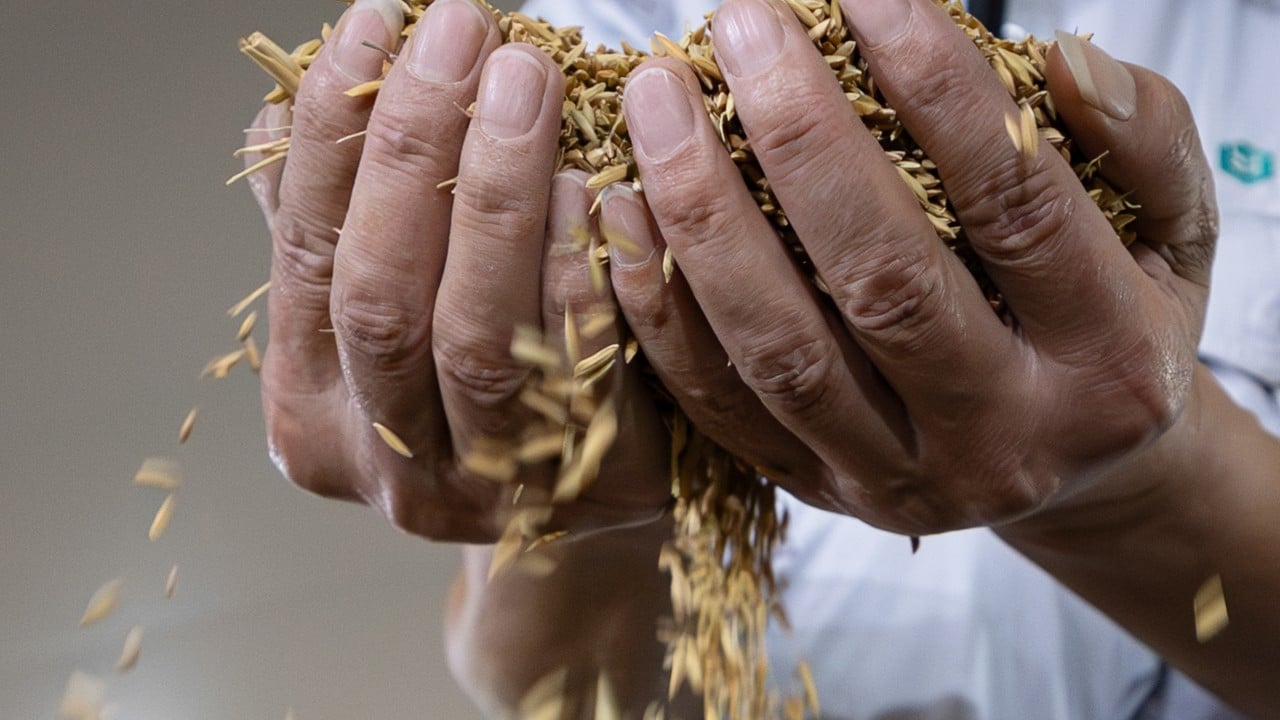
China holds the largest stockpiles of wheat and rice on earth. This massive hoarding operation is designed to insulate the world's second-largest economy from the chaotic swings of global commodity markets and erratic weather patterns. When El Nino triggers severe droughts in major agricultural exporting nations or floods domestic crop belts, Beijing points to these cavernous state-managed storehouses as an absolute guarantee of food security.
Yet stockpiles alone do not insulate a nation from systemic shocks. The real vulnerability lies not in the volume of grain sitting in concrete silos, but in the soaring costs of logistics, domestic distribution bottlenecks, and the rapid degradation of arable soil. Weather anomalies do not just destroy crops in the field; they trigger cascading market panics that test the structural limits of state intervention.
To understand whether these reserves can genuinely protect food security against climate volatility, we must look past the official tonnage figures and examine the mechanics of modern state management, reserve aging, and the hidden logistics of feeding more than one billion people when the skies turn hostile.
The Illusion of Absolute Security in State Silos
State-managed granaries across Henan, Anhui, and Heilongjiang provinces hold an estimated half of global maize and wheat reserves. On paper, these numbers look impenetrable. A population can survive for months, even years, on stored staple foods if imports dry up or foreign trade routes face disruptions.
The physical reality of grain storage is far more fragile. Stored grain degrades over time. It requires constant rotation, fumigation, and temperature control to prevent mold, insect infestations, and mycotoxin contamination. Much of the older grain is periodically auctioned off to domestic processing mills for animal feed or industrial use, while fresh harvests replenish the reserves. This means the actual volume of premium human-consumption grain is in a state of constant flux.
When El Nino intensifies, bringing torrential rains to the southern river basins and scorching heat to the northern wheat belt, the demand for immediate reserve release spikes. Moving millions of tons of grain from inland provincial storehouses to urban centers or disaster-stricken rural zones strains railway networks and trucking fleets. Logistics bottlenecks can turn a localized shortage into a national distribution crisis long before the physical grain runs out.
How Climate Volatility Disrupts the Supply Chain
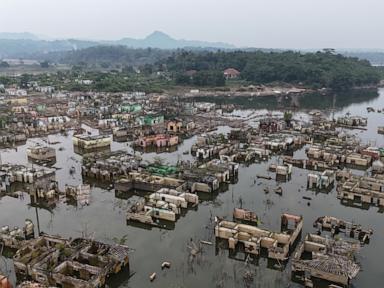
El Nino is not a singular weather event. It is a complex climate pattern that disrupts weather systems globally, altering precipitation and temperature patterns with brutal unpredictability. For China, a strong El Nino typically means drought in the northern agricultural heartland, where the majority of the nation's corn and wheat are grown, followed by catastrophic flooding in the Yangtze River basin during the harvest season.
When simultaneous weather extremes hit domestic production and international exporters—such as Australia, the United States, and Brazil—global grain prices surge.
Consider a hypothetical scenario where an intense El Nino severely stunts the domestic corn harvest while simultaneously scorching crops in the American Midwest and Argentina. Global export prices spike by fifty percent. If Beijing needs to supplement its reserves with international purchases, the financial burden multiplies rapidly.
State-owned trading enterprises can absorb these losses temporarily through subsidies, but prolonged import inflation drains foreign exchange reserves and forces difficult fiscal trade-offs across other sectors of the economy. The protection afforded by domestic reserves is ultimately bounded by the fiscal capacity of the central government to absorb recurring global price shocks.
The Structural Bottlenecks of Distribution
Having grain in a silo three thousand miles away from a starving province solves nothing if the transport infrastructure is compromised. China's grain distribution network relies heavily on heavy-duty diesel trucks and a state-controlled rail grid that must also prioritize coal, steel, and manufactured goods.
During severe weather crises, infrastructure damage compounds the supply shock. Flooded rail lines and washed-out highways paralyze freight movement. While emergency directives can clear corridors for food transport, fuel shortages and driver availability often create severe friction points.
Furthermore, local government officials face perverse incentives when managing reserve releases. Regional grain bureaus have historically been incentivized to report high reserve volumes to meet central quotas, sometimes obscuring the actual quality of the stored commodities. When an emergency strikes, discovering that a significant percentage of regional stock is spoiled or sub-standard triggers frantic emergency procurement that disrupts local markets.
Beyond the Silo
China's grain reserves are an essential buffer against short-term agricultural shocks, but they are a defensive shield rather than a permanent solution to climate change. As global weather patterns become more volatile, relying on massive stockpiles is an increasingly expensive strategy.
The long-term security of the nation's food supply depends on structural adaptations that go far beyond building larger warehouses. Soil rehabilitation, drought-resistant crop breeding, efficient water management in the arid north, and diversified import partnerships are the true arbiters of future resilience.
When the next severe El Nino cycle peaks, the ultimate test for Beijing will not be whether the silos are full, but whether the distribution networks can move sustenance fast enough to outpace the climate crisis.