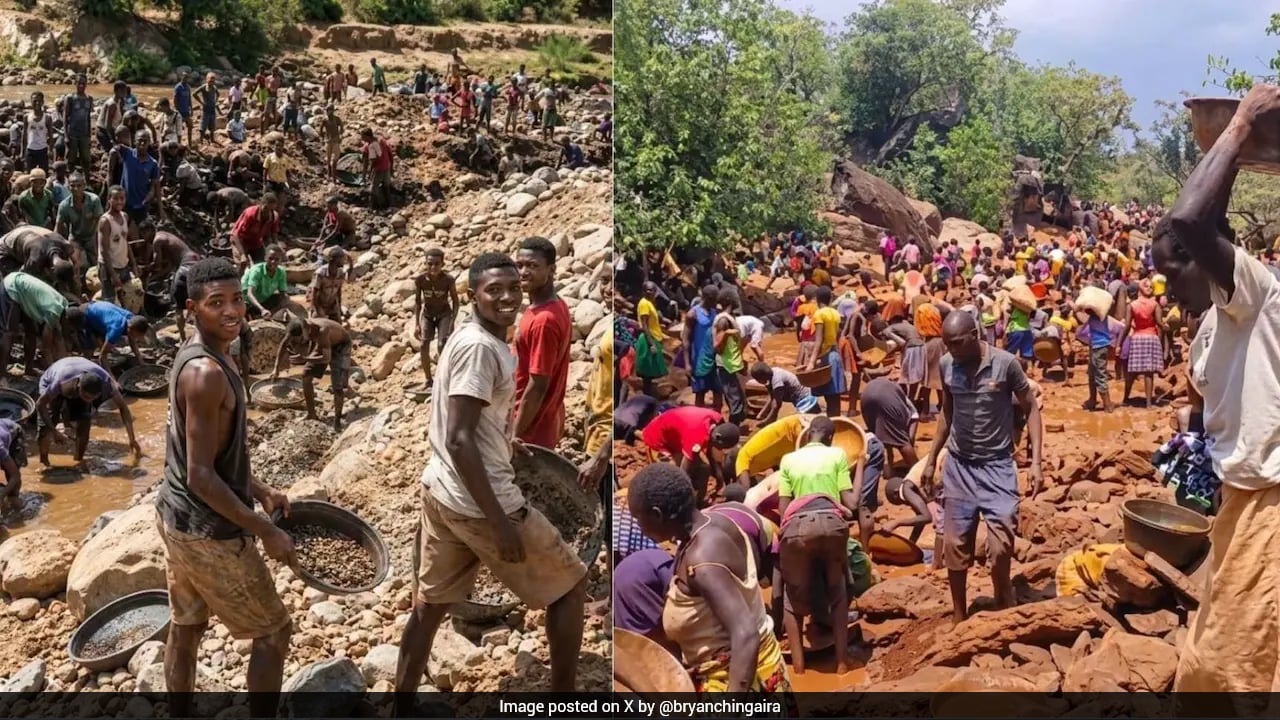
When a rural artisanal gold discovery goes viral on social media platforms, the immediate result is predictable. A quiet agrarian settlement transforms overnight into a chaotic boomtown, drawing thousands of frantic prospectors armed with shovels, pans, and desperate ambition. Viral videos of mud-slicked miners unearthing heavy yellow flakes bypass traditional news wires, broadcasting economic opportunity directly to millions of smartphones across the globe. Yet behind the cinematic spectacle of a modern mineral rush lies a harsher economic reality governed by price volatility, environmental degradation, and the invisible machinery of informal supply chains.
Understanding how a localized mineral strike escalates into an international supply chain disruption requires looking past the viral clips. This phenomenon is rarely just about sudden wealth. It is a symptom of systemic rural underdevelopment meeting high global commodity demand.
The Anatomy of a Viral Mineral Discovery
Viral attention compresses years of clandestine prospecting into a single weekend. Long before a video captures crowds wading through muddy riverbanks, local farmers often notice unusual geological anomalies while tilling soil or clearing land. Artisanal miners operate on tight margins, relying on word-of-mouth networks rather than satellite surveys.
When a high-yield pocket is finally breached, containment becomes impossible. Smartphones ensure that geographic isolation offers no protection against mass migration. Within seventy-two hours, independent diggers converge from neighboring districts, creating an instant economy characterized by hyper-inflation. Bottled water triples in price. Makeshift tool shacks spring up between cornfields.
The social contract of the village fractures under the weight of sudden influxes of transient labor. Land tenure rights, often managed through customary tribal authorities rather than formal state deeds, collide with the aggressive demands of outsiders staking claims on ancestral soil.
The Economics of Informal Extraction
Mining gold without industrial machinery is backbreaking, hazardous labor. Yet, for impoverished rural laborers, artisanal extraction represents the only viable path to immediate cash liquidity.
Equipment and Capital Constraints
Without access to heavy excavators or chemical processing plants, miners rely on manual labor and rudimentary sluice boxes. Recovery rates are notoriously low, often capturing only a fraction of the actual gold present in the ore.
The Middleman Bottleneck
Independent diggers rarely sell directly to international refineries. Instead, a tier of local buyers, cash brokers, and regional traders intercepts the metal at the edge of the pit. These middlemen dictate local pricing based on daily London fix rates minus steep convenience and security discounts.
Cash changes hands immediately, bypassing banking infrastructure entirely. This keeps the local populace unbanked, vulnerable to theft, and disconnected from formal credit markets that could help them reinvest their earnings into sustainable local businesses.
Environmental Fallout and Regulatory Blind Spots
The aftermath of a viral gold rush leaves scars that outlast the economic boom. Mercury amalgamation remains a widespread method for separating fine gold particles from sediment. When heated, mercury vaporizes into the atmosphere while liquid residues wash directly into local water tables, poisoning agricultural irrigation systems and fisheries.
State regulators usually arrive long after the initial chaos has peaked. Bureaucratic inertia means that by the time environmental ministries dispatch inspectors, the transient population has already moved on to newer sites, leaving behind ruined topsoil and stagnant, mosquito-ridden craters.
Attempts to formalize these informal sectors frequently backfire. When governments impose sudden permit fees or deploy security forces to shut down unlicensed pits, they inadvertently criminalize subsistence livelihoods. The trade simply goes deeper underground, enriching corrupt officials rather than generating public tax revenue for schools and hospitals.
The Micro-Economy of the Boomtown
Money moves strangely in a settlement fueled by sudden mineral wealth. Traditional barter systems vanish, replaced by high-velocity cash transactions.
- Food security collapses as farmers abandon agricultural plots to join the digging crews, turning the region into a net importer of basic foodstuffs.
- Real estate values surge arbitrarily, transforming tin-roofed shacks into high-rent properties for wealthy traders and equipment brokers.
- Service industries expand chaotically, ranging from makeshift fuel vendors to open-air eateries catering to round-the-clock shifts.
This micro-economy operates on a razor-thin expiration date. Mineral pockets discovered by surface digging invariably exhaust themselves within months, leaving behind inflated local cost structures and depleted natural resources.
Beyond the Smartphone Screen
The narrative broadcasted to the world highlights individual triumph against the odds. A farmer strikes gold, buys a truck, and changes family fortunes forever. While such stories do happen, they represent statistical outliers in a much broader matrix of economic extraction.
For every prospector who secures enough capital to build a permanent home, dozens leave poorer, physically broken by trench collapses, malaria, or exposure. The digital age accelerates the boom phase, condensing a century-old pattern of resource rushes into a hyper-efficient cycle of discovery, exploitation, and abandonment. As long as global commodity prices remain high and rural structural poverty persists, the next viral coordinate on the map is already waiting for its first shovel of earth