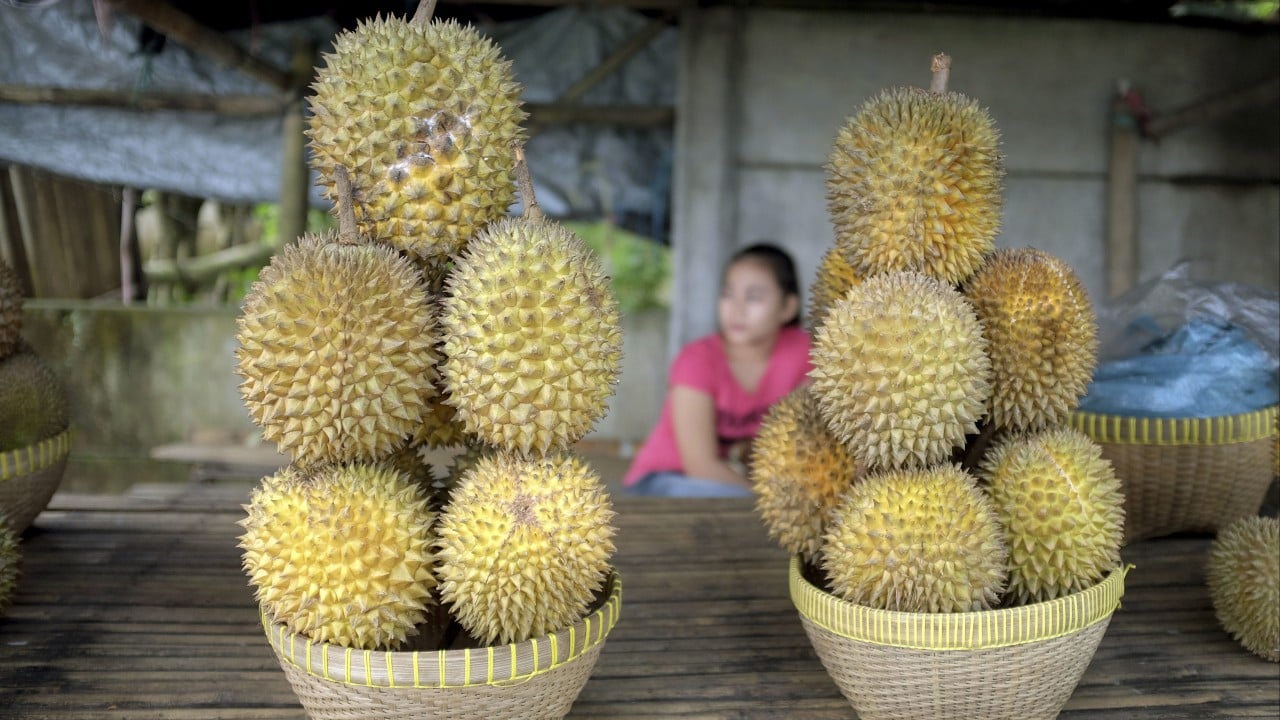
For years, Indonesian durian farmers watched neighboring countries cash in on China's massive appetite for the king of fruits while they sat on the sidelines. Most of Indonesia's stellar harvests stayed local, or worse, traveled a convoluted route through third parties like Thailand before reaching Chinese consumers. That middleman penalty crushed profit margins for growers in regions like Central Sulawesi and East Java.
Recent high-level diplomatic visits and direct trade talks are rewriting that script. When ministers travel to Beijing to lock down supply agreements, it is not just political theater. It means real market access, fewer logistics bottlenecks, and a direct pipeline to a multi-billion dollar consumer base.
Cutting Out the Middleman Changes Everything
If you grow durians in Parigi Moutong or anywhere else across the archipelago, logistics dictate your livelihood. Historically, selling fresh or frozen fruit to buyers in Beijing meant dealing with indirect shipping routes that ate straight into earnings.
Direct trade agreements change the math completely. By cutting out regional intermediaries, local producers keep more cash in their pockets. Government initiatives targeting frozen and fresh durian exports aim to capture a massive slice of an import market valued at nearly seven billion dollars. When quarantine protocols and direct inspections streamline at the border, farmers finally get paid what their harvest is truly worth.
What It Takes to Win in the Chinese Market
Breaking into China's premium fruit sector isn't just about loading up shipping containers. Buyers in Shanghai and Guangzhou demand consistency, traceability, and strict quality control. Right now, many Indonesian plantations still rely on traditional, small-scale farming methods.
To make these trade deals pay off long-term, agricultural departments are pushing to modernize operations. That means introducing better packing house standards, digital tracking tools, and modern equipment like agricultural drones to manage large orchards efficiently. Farmers who adopt these standards early will capture the highest prices, while those stuck in older routines will struggle to meet export compliance.
The Bigger Picture for Regional Economies
Rural development relies heavily on export-driven agriculture. When international demand spikes for local crops like durians, mung beans, and seaweed, entire provincial economies feel the shift. Infrastructure improves, local employment rises, and small towns see a surge in direct investment.
Indonesia has the land and the climate to dominate this sector, but potential alone does not pay the bills. Turning diplomatic momentum into tangible farm-gate profits requires sustained execution from both local agricultural offices and the growers themselves. If current trade frameworks hold, the days of Indonesian durians playing second fiddle in the regional market are coming to an end.
Focus on upgrading your post-harvest handling, monitor international phytosanitary requirements closely, and align with certified packing houses if you want a direct cut of the booming Chinese export wave.