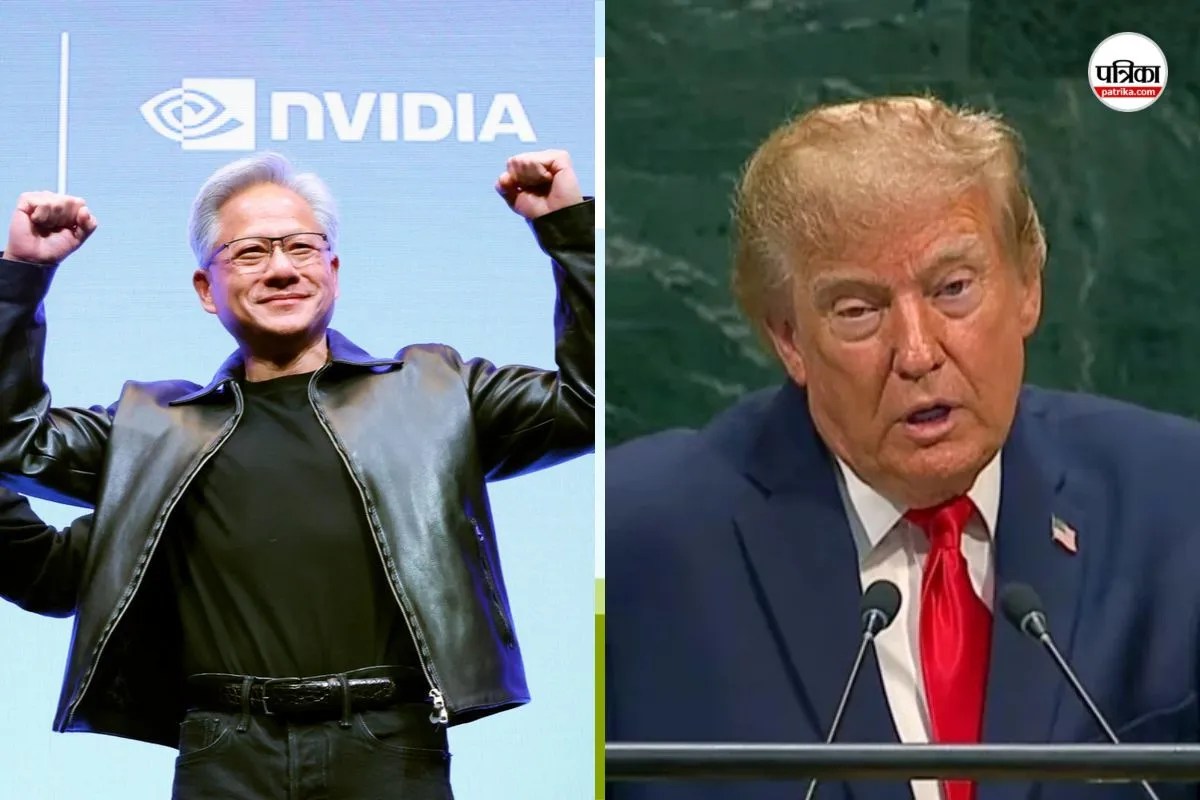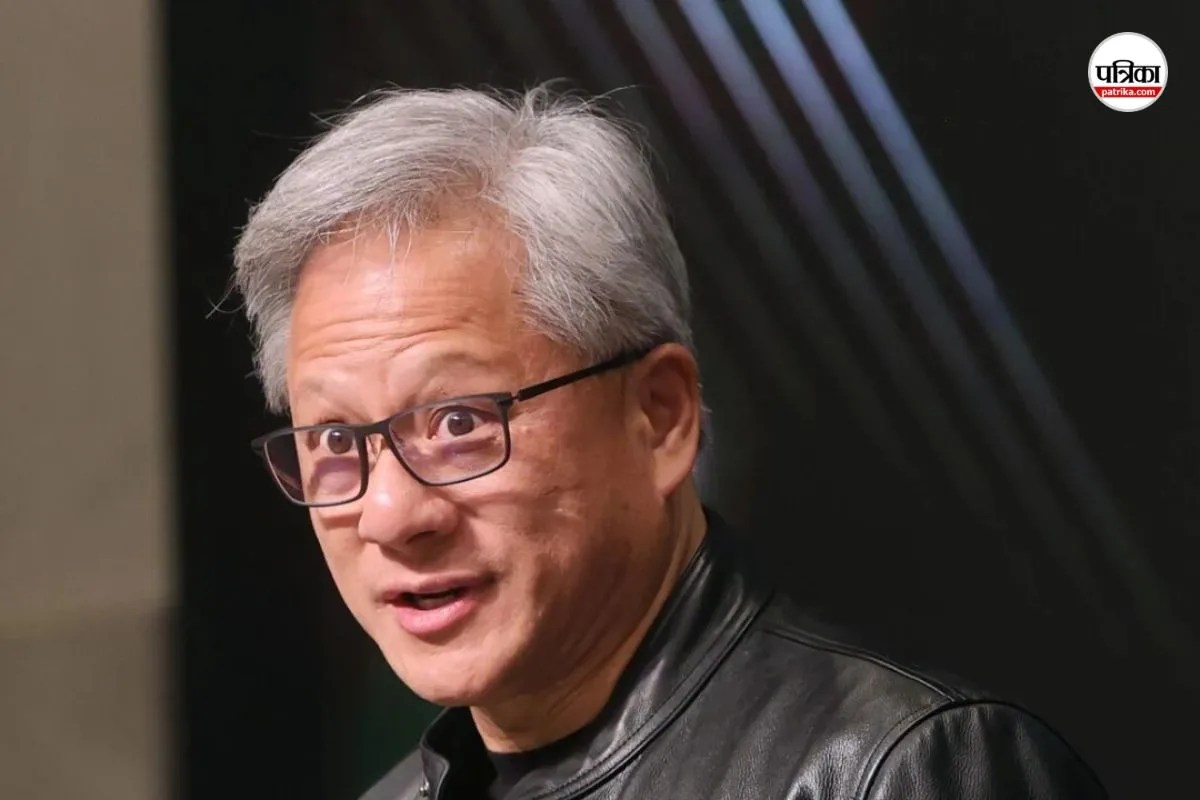
Could an Indian executive ever take the top job at Nvidia after Jensen Huang? It sounds like a fun bar debate, yet behind the scenes in Silicon Valley, succession chatter around the world's most valuable AI chipmaker is deadly serious. Names like Sanjay Mehrotra, Nikesh Arora, and Thomas Kurian keep popping up whenever investors or tech insiders speculate about life beyond Huang.
Here's the blunt truth upfront. Nobody knows who will replace Jensen Huang because Huang hasn't announced a departure timeline, and founder-led giants rarely hand over the keys until the founder is ready or the board forces a transition. Still, watching who gets mentioned—and why those three executives in particular draw attention—tells you a lot about what kind of leadership Nvidia actually needs when the music eventually stops.
Let's clear up a misconception right away. When people toss out names like Mehrotra, Arora, and Kurian, they aren't usually claiming a done deal or an inside scoop from Nvidia's boardroom. Mostly, they're matching proven tech heavyweights with the scale, chip chops, cloud ties, or commercial muscle required to run a company sitting at the center of artificial intelligence.
Why Nvidia succession talk gets so loud
Nvidia isn't just another hardware vendor anymore. It's the tollbooth for massive AI data centers, software stacks like CUDA, networking gear, and enterprise compute clusters. When a single company becomes that central to global capital spending, Wall Street obsesses over single-point-of-failure risks. Jensen Huang is one of those rare founders whose identity is fused with the company's culture, engineering pace, and product bets.
That creates a classic double-edged sword. Founder conviction got Nvidia through crypto swings, gaming cycles, and the generative AI boom without losing its nerve. At the same time, investors naturally wonder how an organization built around a charismatic co-founder functions decades down the line.
Honestly, succession speculation spiked even harder as Nvidia's valuation and geopolitical footprint swelled. Export controls, hyperscaler customer concentration, supply chain bottlenecks in Taiwan and beyond, and fierce competition from custom silicon mean whoever eventually sits in the corner office won't just be picking GPU clock speeds. They'll be managing statecraft, massive capex cycles, and customer relationships with companies that also try to build their own chips.
That's why outsiders look for seasoned operators who have already carried heavy P&Ls or deep technical baggage. And that brings us straight to the three names people love bringing into the conversation.
Where Sanjay Mehrotra, Nikesh Arora, and Thomas Kurian stand
Before we get carried away, let's look at each executive realistically. Mentioning them alongside Nvidia doesn't mean Nvidia is recruiting them or that they're waiting by the phone. Each one has a distinct background that explains why observers connect them to big-league tech leadership.
Sanjay Mehrotra and the memory and silicon angle
If you care about hardware grit and semiconductor manufacturing realities, Sanjay Mehrotra makes obvious sense as a reference point. As long-time CEO of Micron Technology—and previously a co-founder and leader at SanDisk—he has lived inside the brutal, cyclical world of memory chips, wafer fabrication, supply chains, and capital-intensive scaling.
Memory and logic aren't identical businesses, obviously. Micron deals heavily in DRAM and NAND flash, whereas Nvidia's superpower combines GPUs, interconnects, and software ecosystems. Still, anyone who has steered a major memory maker through boom-and-bust cycles understands how unforgiving semiconductor math can be when demand surges or cools off.
What makes Mehrotra's profile interesting in this hypothetical discussion is operational discipline in physical silicon. Running a multi-billion-dollar chip company requires patience with fab schedules, supplier negotiations, and global trade rules. It's less flashy than keynote stagecraft, yet critical when physical hardware is the bottleneck.
Nikesh Arora and the high-stakes commercial playbook
Nikesh Arora brings a completely different energy to the table. Known for high-profile leadership roles—including serving as CEO of Palo Alto Networks after senior stints at Google and SoftBank—his reputation leans heavily toward commercial scale, M&A, enterprise sales, and rapid market expansion.
Nvidia's next chapter, whenever it arrives, won't just be about inventing faster accelerators. It will also test how deeply Nvidia embeds itself inside enterprise software, cybersecurity, sovereign AI deals, and long-term cloud contracts. A leader with sharp commercial instincts and comfort negotiating giant deals knows how to protect margins and expand market share when rivals get aggressive.
The catch? Cybersecurity and enterprise platform scaling don't automatically translate to running a chip architecture engine at Huang's pace. Critics who look closely at leadership transitions in tech often point out that commercial polish can't replace deep technical instinct if product roadmaps stumble.
Thomas Kurian and enterprise cloud reality
Then there's Thomas Kurian, CEO of Google Cloud and a longtime former Oracle executive. Mentioning Kurian highlights another huge piece of Nvidia's puzzle: enterprise customers and cloud infrastructure.
Cloud providers are both Nvidia's biggest customers and, in several cases, developers of rival AI chips like TPUs or custom inference silicon. Understanding how CIOs buy infrastructure, how large cloud deployments actually run in production, and how enterprise software teams adopt new tools is massive. Kurian has spent years living inside that exact world.
At the same time, leading a cloud division inside a massive parent company is different from running an independent public chipmaker accountable for its own standalone balance sheet and hardware roadmap. Every comparison has limits, and pretending otherwise is lazy analysis.
What an Indian executive at Nvidia would actually face
Let's step back from individual resumes and look at the bigger picture. Indian-origin executives already run several major global tech companies, so the idea of diaspora leadership at the highest level of Silicon Valley isn't novel on paper. What would be unique about Nvidia is the sheer weight of founder legacy.
Replacing a founding CEO is one of the hardest moves in business. Look across tech history and you'll see plenty of examples where a respected outsider stepped in with strong credentials, only to clash with legacy culture or struggle to match the founder's product obsession. Sometimes transitions go smoothly; other times, momentum slows even when earnings look fine on paper.
There's also a practical reality to keep in mind. Nvidia has an internal bench of senior executives and engineers who already know how Jensen Huang runs reviews, allocates engineering talent, and bets on multi-year architectures. Outsiders—whether Mehrotra, Arora, Kurian, or anyone else—would face a steep learning curve inside a very specific operating culture.
Succession rumors often say more about what investors fear—like customer concentration or post-boom growth—than about actual boardroom plans.
I've watched enough tech cycles to know that pundits love neat narratives. Pairing a famous founder with three prominent executives makes for an easy headline. Real corporate governance is usually messier, quieter, and far less dramatic than social media threads make it sound.
How to read succession headlines without getting fooled
If you're tracking Nvidia as an investor, tech worker, or industry watcher, don't treat every "who's next" rumor as a signal of imminent change. Pay attention to actual filings, executive moves, board updates, and how Nvidia structures its day-to-day operations.
Here are a few practical ways to cut through the noise:
- Check official disclosures first. Proxy statements, 10-K filings, and formal board announcements tell you far more about governance and executive compensation than speculative commentary.
- Separate skill sets from job openings. Just because an executive is great at cloud sales, cybersecurity, or memory manufacturing doesn't mean they're a candidate for Nvidia—or interested in leaving their current post.
- Watch internal deputies closely. When big tech companies prepare for leadership shifts over time, internal promotions and role expansions often offer early clues long before outside names enter the picture.
- Focus on fundamentals rather than gossip. Whether Nvidia keeps growing its data center dominance, defends its software moat, and navigates supply chains matters way more this quarter than hypothetical replacements years down the road.
Speculating about who might someday succeed Jensen Huang is natural when a company sits at the center of AI. Just keep your expectations grounded in reality, watch the actual business moves, and don't mistake a clever comparison for inside news.