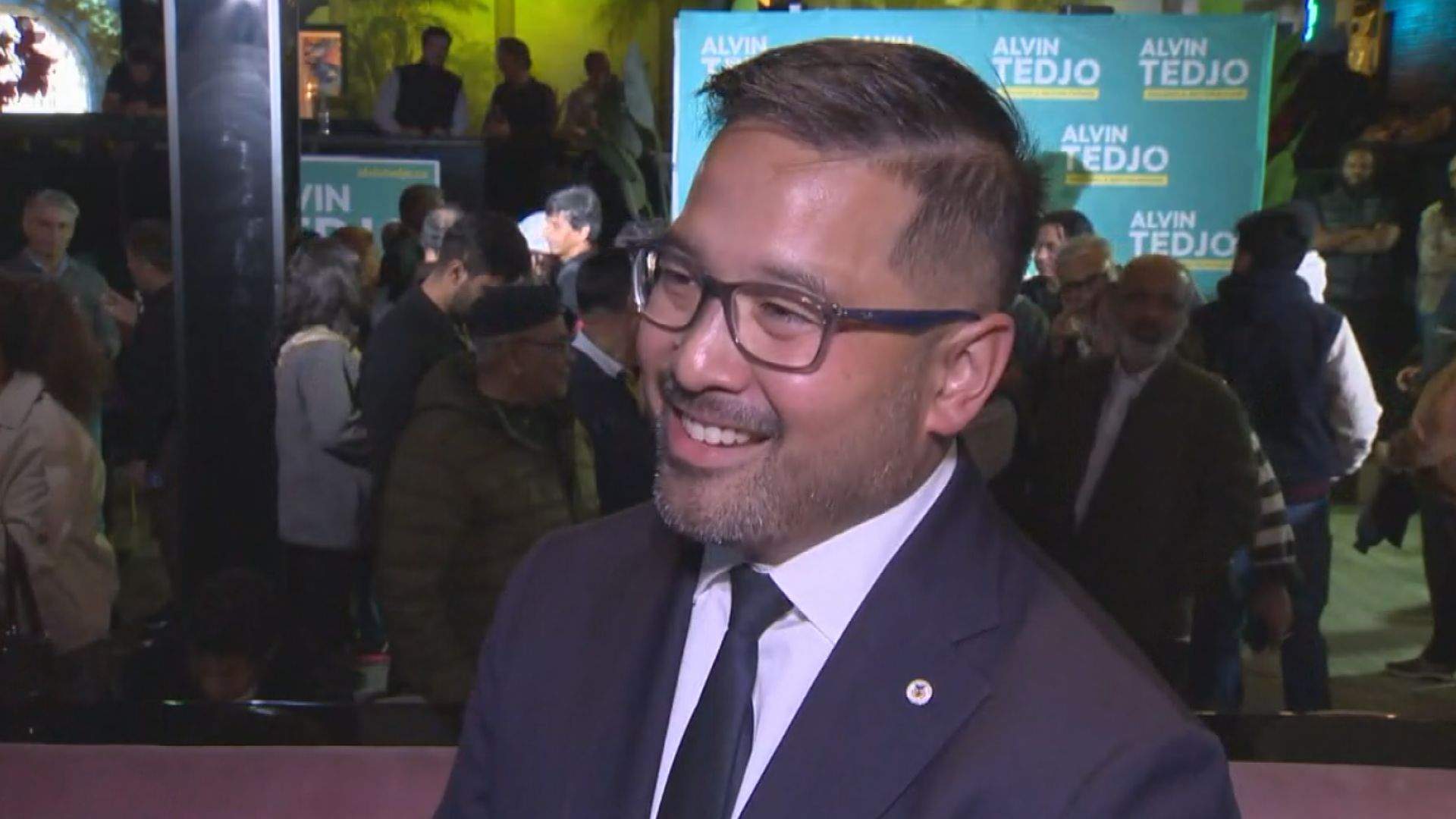
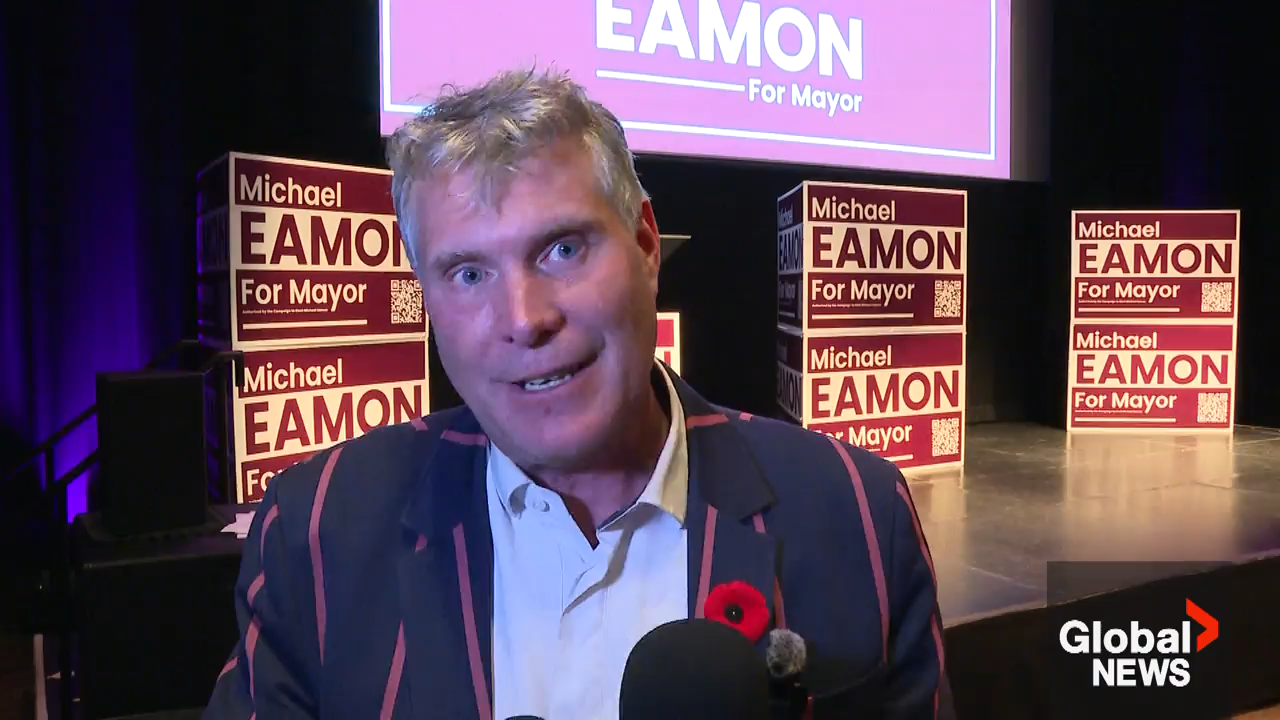
Voters across the Greater Toronto and Hamilton Area have delivered a sweeping rebuke to established municipal leadership, ousting veteran incumbents including Hamilton Mayor Andrea Horwath in a wave of anti-establishment anger driven by spiraling housing costs, property tax fatigue, and crumbling local infrastructure. Rather than an isolated upset in a single steel city, the defeat of high-profile officeholders across Ontario’s economic engine signals a structural collapse in the traditional power of name recognition at city hall. For decades, municipal incumbency in southern Ontario acted as an almost impenetrable shield, insulated by low voter turnout and fragmented opposition. That shield just shattered.
The numbers tell a stark story of voter impatience. Across the GTHA, mayors and long-serving councillors who survived multiple election cycles suddenly found their usual advantages neutralized. Yard signs and union endorsements could not outrun the daily reality facing residents at the grocery store, on congested highways, and in their municipal tax bills. When the cost of living becomes an acute, inescapable crisis, familiarity stops breeding comfort. It breeds blame.
The Myth of the Safe Municipal Seat
Municipal politics in Ontario has historically operated on a simple, predictable formula. Name recognition wins. In local elections where party labels are absent from the ballot, voters default to the name they know best, usually the person already sitting in the chair. Incumbents raise more money, command free media coverage simply by doing their jobs, and rely on a loyal core of older, property-owning voters who actually show up at the polls.
That dynamic created a political class that rarely faced existential threats. Mayors and councillors could weather minor scandals, botched transit procurements, or incremental tax hikes because the alternative was an unknown quantity. Challengers struggled to break through the noise without the institutional machinery of a provincial or federal party behind them.
Yet the very factors that once protected incumbents became liabilities. Years of deferred maintenance on water mains, roads, and transit networks collided with a post-pandemic fiscal crunch. Municipalities across the GTHA found themselves trapped between provincial mandates that reduced developer fee revenues and an electorate fiercely opposed to double-digit property tax increases. Incumbents owned the ledger. When the bills came due, voters decided it was time to fire the accountants.
Why Andrea Horwath Became the Ultimate Litmus Test
Nowhere was this vulnerability more visible than in Hamilton. Andrea Horwath entered municipal politics with unmatched name recognition after leading the Ontario New Democratic Party for over a decade and representing Hamilton Centre at Queen's Park since 2004. On paper, she was a political juggernaut. She possessed a deeply entrenched local machine, loyal progressive support, and the stature of a former leader of the Official Opposition.
Her narrow victory in 2022 was supposed to be a transition year, a moment for a seasoned provincial heavyweight to stabilize a city plagued by council infighting and infrastructure decay. Instead, her tenure became a lightning rod for every frustration simmering beneath the surface of Hamilton's rapid transformation.
Hamilton is no longer just a quiet, blue-collar industrial town living in Toronto's shadow. Over the past several years, an influx of displaced Torontonians drove local home prices and rents to unprecedented levels, pricing out lifelong residents while straining social services. Tent encampments proliferated in public parks. The city suffered a crippling cybersecurity breach that paralyzed municipal operations for months, leaving taxpayers furious over the handling of public data and the mounting recovery costs.
Horwath, by virtue of the title on her door, absorbed the entirety of that public rage. Critics argued she brought a cautious, consensus-driven provincial style to a municipal arena that demanded decisive executive action. Whether fair or not, voters did not see a former provincial leader fighting for them. They saw the person in charge while their city felt increasingly unmanageable. Her defeat proves that provincial political capital does not automatically translate into municipal survival when local conditions deteriorate.
The Regional Revolt Beyond Hamilton
Focusing solely on Hamilton misses the broader regional earthquake. Across Peel, Halton, York, and Durham regions, the pattern repeated itself with striking consistency. Long-tenured councillors who had treated their wards as personal fiefdoms lost to political newcomers running on bare-bones budgets and hyper-local grievances.
In suburban municipalities that spent decades booming on greenfield development, the growth model has hit a brick wall. The era of keeping property taxes artificially low by relying on continuous sprawl and development charges is over. Provincial housing targets forced cities to confront densification, sparking fierce pushback in established neighborhoods worried about traffic, school capacity, and changing community character.
Incumbents found themselves caught in an impossible vise. If they championed aggressive housing construction to meet provincial mandates and ease affordability, they alienated longtime homeowners who form the backbone of municipal voting blocs. If they resisted densification to appease suburban NIMBYism, they faced wrath from younger voters and renters locked out of the housing market, alongside threats of provincial intervention from Queen's Park.
The Erosion of the Suburban Bargain
For thirty years, the implicit social contract in the suburbs surrounding Toronto was straightforward. Residents accepted long commutes in exchange for detached homes, safe streets, and predictable, modest property taxes. Local politicians maintained their seats by protecting that exact equilibrium.
Inflation and interest rate shocks destroyed that bargain. Mortgage renewals squeezed household budgets to the breaking point, making every municipal fee hike or property tax adjustment feel like a personal assault. Simultaneously, visible social disorder—once viewed by suburbanites as a strictly downtown Toronto problem—began appearing along suburban transit corridors and commercial plazas. Voters looked at the incumbents who had presided over their communities for ten, fifteen, or twenty years and concluded that the old guard lacked the urgency to fix a broken model.
The Structural Trap Facing Ontario Mayors
To understand why so many incumbents fell simultaneously, you have to look at the mechanics of municipal governance in Ontario. Cities are creatures of the province. They possess no independent constitutional standing, yet they are responsible for maintaining roughly sixty percent of public infrastructure while collecting less than ten cents of every tax dollar paid by Canadians.
When the Ontario government enacted legislation altering how municipalities collect development charges—the fees builders pay to fund new roads, sewers, and parks—it blew massive holes in municipal capital budgets. Mayors across the GTHA warned that the shortfall would force dramatic property tax hikes or deep cuts to essential services.
The warnings were accurate, but the political fallout landed squarely on local officials, not provincial cabinet ministers. The average resident does not parse the complexities of the Development Charges Act or provincial-municipal fiscal transfers. They open a property tax bill, see a sharp increase, drive over a pothole on their way to work, and blame the mayor and city council.
Strong mayor powers, introduced by the province ostensibly to help local leaders cut through council gridlock and get housing built, ended up backfiring politically for several incumbents. By concentrating executive authority in the mayor's office, the legislation stripped mayors of their oldest, most reliable political excuse. They could no longer blame a divided council for inaction. Having been handed the tools to act unilaterally, voters held them unilaterally responsible when results failed to materialize quickly enough.
How Challengers Weaponized Voter Frustration
The challengers who toppled GTHA incumbents did not win by offering elaborate, multi-volume policy white papers. They won by mastering the politics of disruption and tapping into an unmistakable mood of exhaustion.
Historically, running against an incumbent required building a massive war chest to overcome their name-recognition advantage. Today, organic outrage on neighborhood social media groups, local podcasts, and hyper-targeted digital campaigns allows insurgent candidates to bypass traditional media gatekeepers entirely. When a water main breaks or a transit line faces delays, real-time video circulates within minutes, framed immediately as a failure of current leadership.
Successful challengers executed three specific strategies across the region:
- Reframing experience as stagnation: Instead of letting incumbents campaign on their steady hands and institutional knowledge, challengers successfully branded decades of service as decades of failure. Being an outsider became the primary qualification.
- Hyper-focusing on core municipal competence: Challengers ignored grandiose visions and international climate pledges, hammering relentlessly on basic service delivery—potholes, snow removal, transit safety, and fiscal restraint.
- Exploiting turnout asymmetry: While overall municipal turnout remained historically low, challengers mobilized pockets of furious voters motivated by specific grievances, while traditional incumbent supporters stayed home out of apathy or disillusionment.
The Vulnerability of the Progressive Municipal Coalition
The ouster of figures like Horwath also exposes a deepening fracture within the urban progressive coalition that dominated several GTHA councils over the past decade. That coalition relied on uniting downtown urbanists, organized labor, environmental advocates, and social service supporters behind an expansive vision of municipal government.
Under this model, cities stepped aggressively into areas traditionally funded by senior levels of government, from poverty reduction strategies to complex supportive housing initiatives. While well-intentioned, taking on these responsibilities strained municipal budgets designed primarily to fund hard infrastructure and emergency services.
As municipal budgets buckled under the weight of these expanded mandates, working-class and middle-income voters—the very people progressive politicians claimed to champion—began rebelling against the resulting tax increases and perceived neglect of basic neighborhood upkeep. The political center of gravity shifted rapidly toward pragmatism and cost containment. Incumbents who continued speaking the language of long-term transformation while residents struggled with immediate financial survival sounded tone-deaf.
What Comes After the Purge
Throwing out the incumbents is the easy part. Governing the GTHA over the next four years will be an exercise in political survival under brutal fiscal constraints.
The newcomers taking over council chambers across Hamilton, Peel, York, and Durham inherit the exact same structural math that destroyed their predecessors. Infrastructure deficits do not vanish because a new mayor takes the oath of office. Provincial downloading remains intact. Interest rates and construction costs continue to inflate the price of every kilometer of transit track and every municipal building repair.
Many newly elected officials campaigned on promises to freeze taxes, audit spending, and find "efficiencies" to balance the books without cutting services. Every veteran municipal finance director knows that municipal budgets contain very little hidden fat. Roughly seventy to eighty percent of a typical Ontario city's operating budget is locked into fixed costs, primarily emergency services salaries—police, fire, and paramedics—alongside collective bargaining agreements and mandatory provincial programs.
Cutting taxes without slashing core services is mathematically impossible without massive financial bailouts from Queen's Park or Ottawa. Yet senior governments face their own deficit pressures and have shown little appetite for writing blank checks to bail out municipal operating budgets.
This sets up a dangerous cycle of political volatility. Voters across the GTHA have demonstrated they are no longer willing to grant incumbents a long runway. The traditional honeymoon period has evaporated. If the incoming class of mayors and councillors cannot deliver tangible improvements in housing affordability, transit reliability, and tax stability within a single term, they will face the exact same guillotine.
The message from voters across Ontario's economic heartland is unmistakable. The era of guaranteed municipal incumbency is dead. From the industrial wards of Hamilton to the rapidly densifying suburbs of the 905, the electorate has decided that institutional experience is worthless if the streets feel less safe, the commute grows longer, and the tax bill climbs higher every spring. Any politician sitting in a GTHA council chamber who still believes their seat is safe is already running behind.