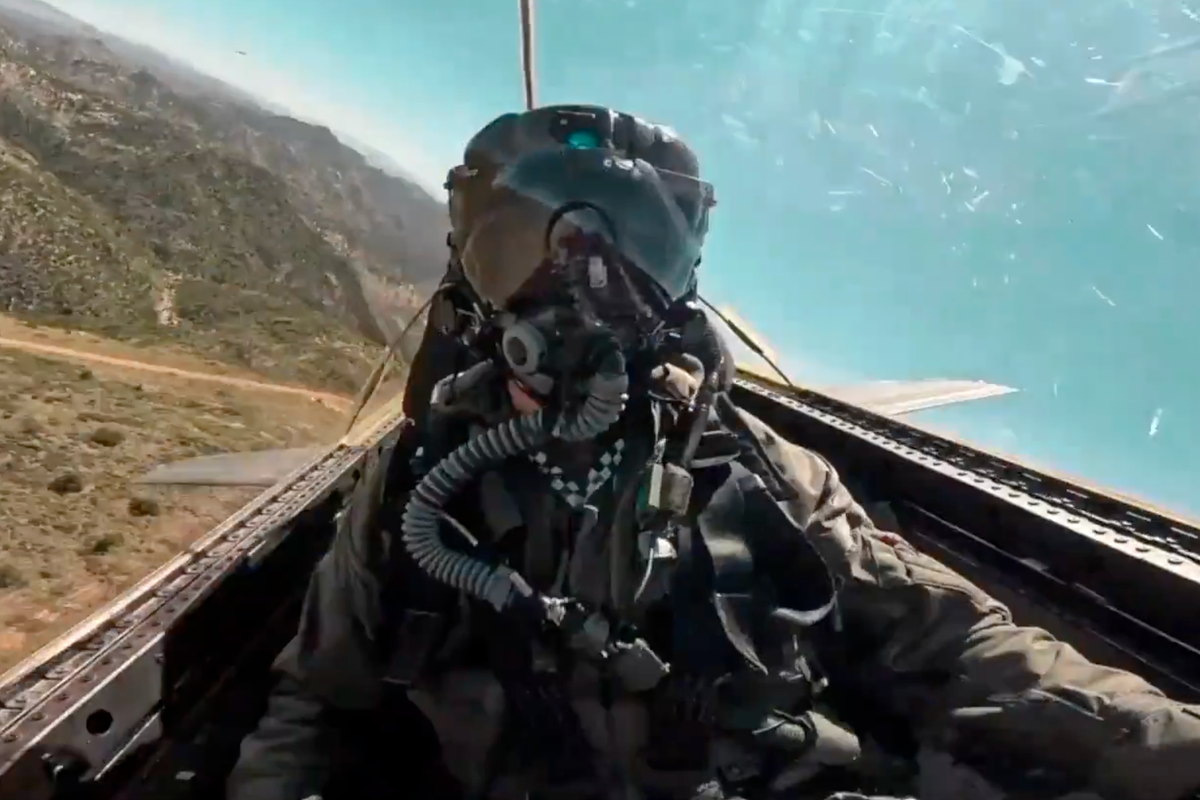
The newly minted Department of War debuted its first recruitment ad on the South Lawn of the White House, flashing images of soldiers invading beaches and jumping from planes while Donald Trump insisted that the true metric of military success is the wars we never get into. This paradox unfolded on June 14, 2026, during the Ultimate Fighting Championship Freedom 250 event, an unprecedented combat sports spectacle staged directly on the executive mansion lawn to mark both the nation's upcoming 250th anniversary and the president's 80th birthday. By broadcasting a high-octane recruitment drive centered on a anti-war message, the administration is attempting a difficult political maneuver, using hyper-masculine combat pageantry to mask deep fractures over ongoing military entanglements in the Middle East.
The event took place on the exact day Trump announced an initial peace agreement to wind down a costly conflict with Iran. The war had sparked public backlash from high-profile conservative commentators who accused the White House of breaking its core anti-interventionist campaign promises.
By analyzing the messaging of the new ad, the context of the White House cage matches, and the structural overhauls occurring within the Pentagon, it becomes clear that the administration is reshaping the definition of American military power.
The Double Message of the Department of War
The recruitment video, titled Peace Through Strength, presents a striking internal contradiction. Visually, it leans heavily into aggressive, cinematic combat footage. Troops storm beaches, aim weapons, and jump out of aircraft to a swelling, theatrical score. The accompanying caption from Secretary of War Pete Hegseth reads simply, "Join. The. Fight."
Yet, the voiceover provided by Trump delivers an entirely different directive.
"We will measure our success not only by the battles we win, but also by the wars we end, and perhaps most importantly, the wars we never get into."
This creates an ideological whiplash. The administration is using aggressive combat imagery to attract new recruits, while simultaneously telling the public that the ultimate goal of these recruits is inaction. It is a dual branding strategy designed to satisfy two distinct audiences. For the potential recruit, it offers the traditional appeal of action and martial pride. For a war-weary political base growing resentful of recent foreign interventions, it offers a rhetorical shield of isolationism.
The Mechanics of the New Military Recruitment Strategy
| Policy Area | Changes Implemented | Strategic Objective |
|---|---|---|
| Recruitment Age | Raised maximum age from 35 to 42 | Broaden the eligible labor pool amid widespread deficits |
| Entry Barriers | Removed restrictions on past minor drug and marijuana convictions | Tap into previously disqualified demographics |
| Legal Framework | Terminated top military attorneys to alter rules of engagement | Allow for more lenient, aggressive battlefield operations |
Combat Sports as an Instrument of State Power
Staging a professional mixed martial arts event on the South Lawn is a significant departure from standard presidential behavior. Thousands of spectators sat beneath a massive steel structure known as the Claw, watching fighters punch, kick, and bleed into the canvas with the White House lit up in the background. The atmosphere was hyper-nationalistic, characterized by loud chants of "U-S-A" whenever an American fighter stepped into the Octagon against a foreign opponent.
This was not a standard sporting event. It was a calculated display of state aesthetics. Trump entered the arena alongside UFC Chief Executive Dana White under a rare combined military flyover of the Blue Angels and Thunderbirds, followed shortly by the low roar of a B-1 bomber.
By embedding a military recruitment drive inside a premium pay-per-view sports broadcast, the administration bypassed traditional media channels. They went straight to a young, predominantly male demographic that is highly prized by military recruiters. The event blended state power, pop culture, and corporate sponsorships into a singular message about American dominance. High-profile tech figures like Meta CEO Mark Zuckerberg and entertainment executives like Paramount Skydance's David Ellison sat ringside, cementing the tie between political power and corporate capital.
Squaring the Circle on the Iran Factional Split
The timing of the ad debut was not accidental. The administration needed a major distraction to control the narrative surrounding the war with Iran. While the White House announced a breakthrough peace deal negotiated in Pakistan and Qatar, the conflict itself has already done deep damage to the president's political coalition.
For over a year, prominent figures within the America First movement have publicly criticized the administration for entering a conflict that they argue contradicts the anti-interventionist platform of the 2024 campaign. Commentators have accused the administration of prioritizing foreign alliances over domestic stability.
By rolling out an ad that explicitly highlights the concept of avoiding new wars, the administration is trying to rewrite the history of the last 18 months. It is an attempt to frame the Iran conflict not as a costly misstep, but as a necessary demonstration of strength that ultimately forced a diplomatic resolution. Trump countered domestic critics during a recent television interview by explicitly denying that he had ever guaranteed absolute isolationism, arguing that a strong military is built precisely to be used when deterrence fails.
Overhauling the Rules of Engagement
Behind the anti-war rhetoric lies a quiet, aggressive restructuring of the actual military apparatus. While the television commercial preaches peace, Secretary Hegseth has spent his tenure purging top military lawyers from the Pentagon.
The goal of these dismissals is to loosen the legal constraints under which American troops operate. Hegseth has openly stated a desire to rewrite the traditional rules of engagement, shifting toward a doctrine that allows forces to act decisively and without mercy on the battlefield. This reveals the deeper meaning behind the phrase peace through strength. The administration is not pursuing a policy of passive isolationism. Instead, they are building a leaner, older, and legally unburdened military machine designed to strike with extreme force, under the assumption that the sheer brutality of American capabilities will prevent adversaries from escalating conflicts.
The success of this strategy is far from guaranteed. Loosening rules of engagement risks increasing civilian casualties, which historically drags the United States deeper into protracted insurgencies rather than ending them. Broadening recruitment standards to include older individuals and those with criminal records could also impact unit cohesion and long-term readiness. The administration is gambling that a combination of pop-culture pageantry, aggressive marketing, and unchecked tactical freedom can replace traditional, institutional deterrence.
As fireworks exploded over the National Mall past 1:00 a.m., marking the end of the matches, the image of a blood-stained cage on the White House lawn remained. It serves as an apt metaphor for the current era of American foreign policy, a system where the language of peace is delivered from inside an arena built for violence.