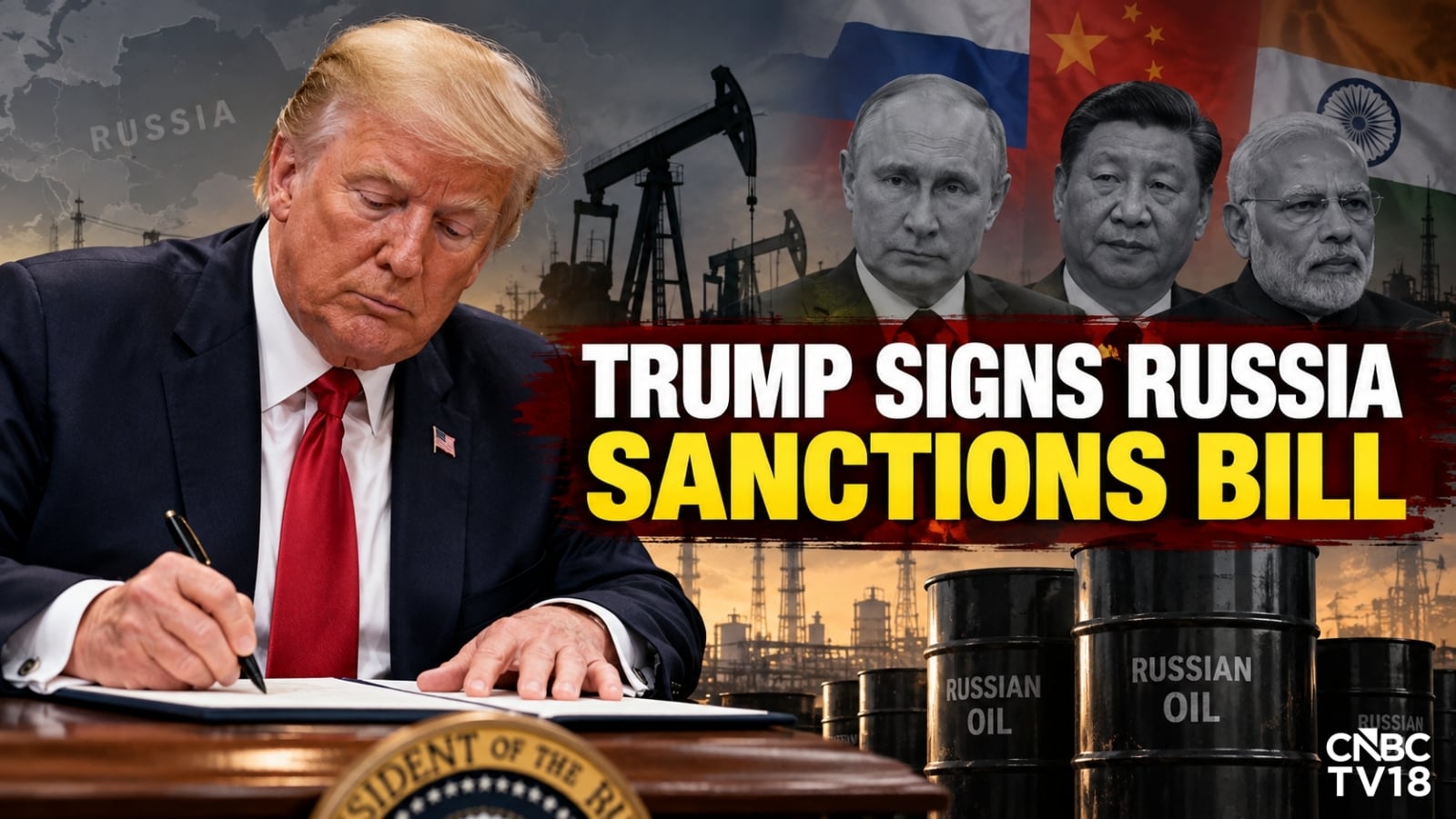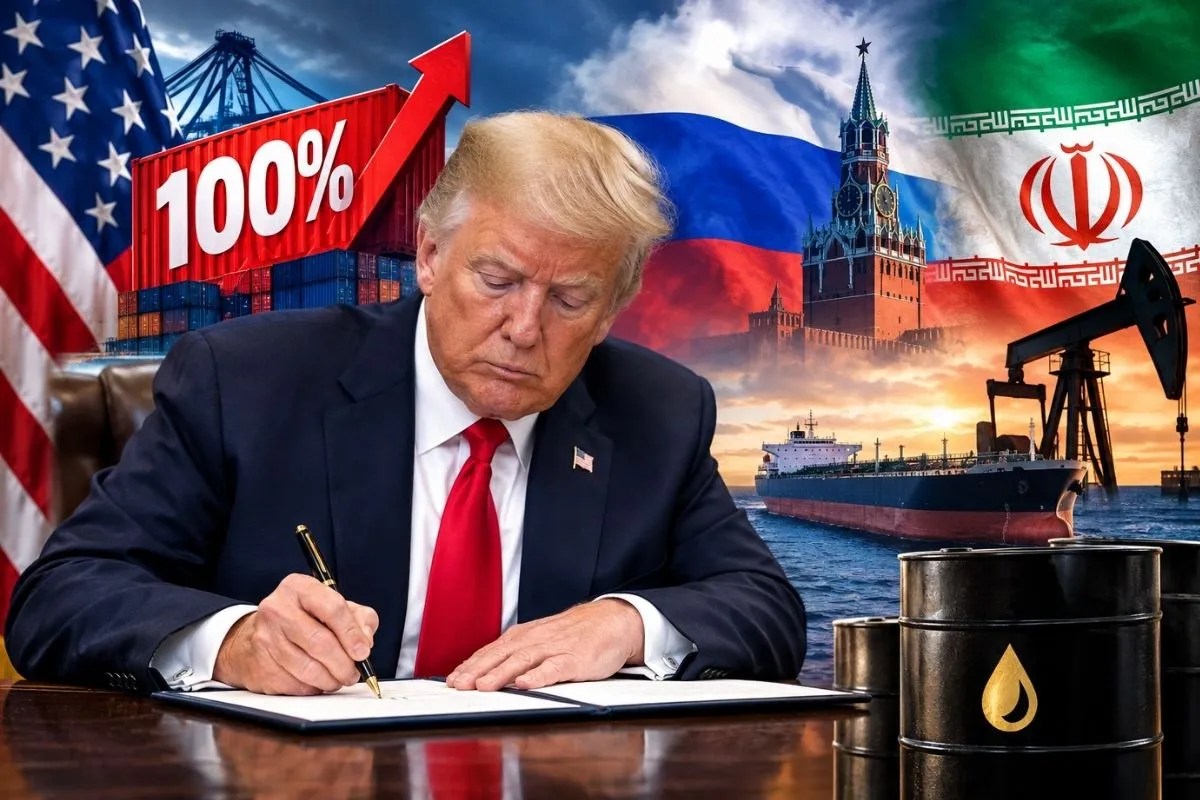
Every time a Washington desk jockey drafts a secondary sanctions bill or dangles a hundred percent tariff over Asian manufacturing hubs, financial media outlets lose their minds. Headlines scream about impending trade apocalypticism, fractured supply chains, and the terminal decline of globalization. Investors panic. Corporate boards freeze capital expenditure. Everyone assumes that a stroke of a pen translates instantly to unbreakable economic isolation.
It is complete nonsense.
I have watched corporate strategy teams spend millions of dollars preparing for regulatory blockades that dissolved into nothingness the moment lobbyists entered a back room. The lazy consensus in global trade commentary assumes that sovereign nations sit like passive bowling pins waiting for a presidential gavel to strike. They do not.
Let us dismantle the core illusion driving this recent hysteria.
The Theater of Maximum Pressure
Look past the bold print on the newly signed legislative text concerning secondary sanctions and penalty duties. What you are witnessing is not a calculated economic masterstroke; it is political muscle-flexing designed for domestic consumption.
When politicians threaten a hundred percent tariff against heavyweights like New Delhi and Beijing, they operate on a fundamental misunderstanding of modern trade dynamics. Trade is not a one-way pipe controlled by a single valve. It is an intricate web of bilateral dependencies, private-sector arbitrage, and third-party intermediaries.
Consider a simple truth that pundits ignore. You cannot tariff your way out of a structural deficit without crushing your own domestic purchasing power. When the cost of imported intermediate goods spikes overnight, factories in the American Midwest do not magically resurrect themselves. They simply bleed capital until margins vanish. The math does not care about political speeches.
The Transshipment Reality
Imagine a scenario where a blanket punitive tariff takes effect against Chinese manufacturing or Indian industrial inputs tomorrow. Does production halt? Does capital flee Asia back to Western shores?
History gives us the answer, and it is brutally boring: commerce simply changes stationery.
Within forty-eight hours of severe regulatory pressure, shipping containers reroute through non-aligned jurisdictions. Goods cross borders through Vietnam, Indonesia, Mexico, or the United Arab Emirates, undergoing minor cosmetic modifications or assembly tweaks to reset their country of origin certificates. I have seen mid-market supply chains pivot routing hubs faster than compliance departments can update their spreadsheets.
Protectionism in the twenty-first century is a leaky bucket. The more holes you plug with tariffs, the more water sprays out through gray-market trade corridors. Bureaucrats measure bilateral trade deficits while global supply chains laugh at customs checkpoints.
The Hidden Western Dependence
The mainstream narrative treats India and China as supplicants begging for market access. This is a staggering inversion of reality.
Look at pharmaceuticals. Look at active pharmaceutical ingredients, rare earth mineral processing, and specialized chemical precursors. Western healthcare systems and advanced manufacturing sectors are uncomfortably dependent on Asian production nodes. If you slap punitive duties on these foundational inputs, you do not punish foreign capitals. You inflict an immediate, self-generated tax on your own hospitals, tech firms, and consumers.
When domestic constituents face soaring prices for everyday essentials, political resolve evaporates remarkably fast. Tariffs sound magnificent on a campaign stage, but inflation destroys governments at the ballot box.
The Acceleration of De-Dollarization
There is a second-order consequence to weaponizing trade policy that makes veteran strategists break out in a cold sweat. Every time Washington uses tariff threats and secondary sanctions as a diplomatic cudgel, it hands foreign central banks an urgent mandate to diversify away from the dollar.
When nations realize their foreign exchange reserves and trade settlement mechanisms can be held hostage by legislative decree, they stop using the system. They build alternative bilateral settlement channels, trade in local currencies, and accumulate physical gold.
By attempting to force compliance through extreme protectionism, Western policymakers are systematically eroding the very monetary hegemony that gives them global power in the first place. It is the economic equivalent of shooting yourself in the foot to prove you own a gun.
How to Position Your Capital Now
Stop reacting to every legislative signature coming out of Washington as if it were a physical law of nature. Smart operators do not trade on headlines; they trade on structural realities.
First, audit your supply chain for rigid dependencies. If your entire operational model relies on direct bilateral import-export lanes without alternative routing flexibility, you deserve the margin compression coming your way.
Second, embrace multi-jurisdictional structuring. Capital efficiency is dead. Resilience is the only metric that matters. Build operations that can absorb tariff shocks by shifting legal entities and manufacturing nodes across friendly third-party borders before the regulators even finish drafting their guidelines.
Third, stop listening to analysts who treat trade policy as a static game. Trade is an adaptive organism. It always finds the path of least resistance, flowing around political barricades like water cutting through rock.
The next time a headline warns of crippling trade barriers, remember that paper tigers make terrible wardens. Markets adapt, intermediaries profit, and politicians move on to their next target while real business finds a way to move goods.
Stop panicking. Start restructuring.