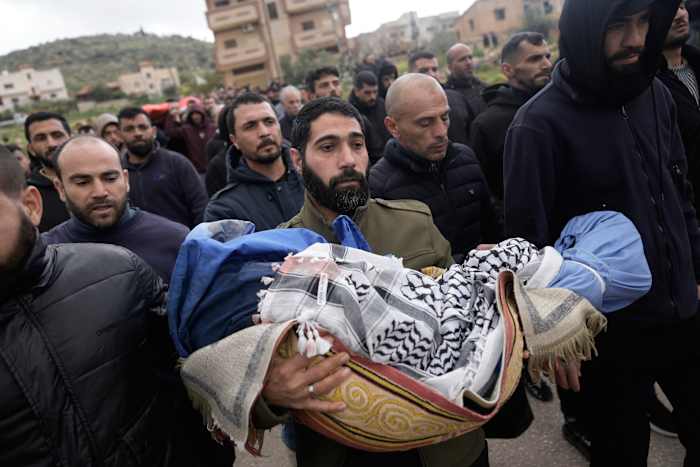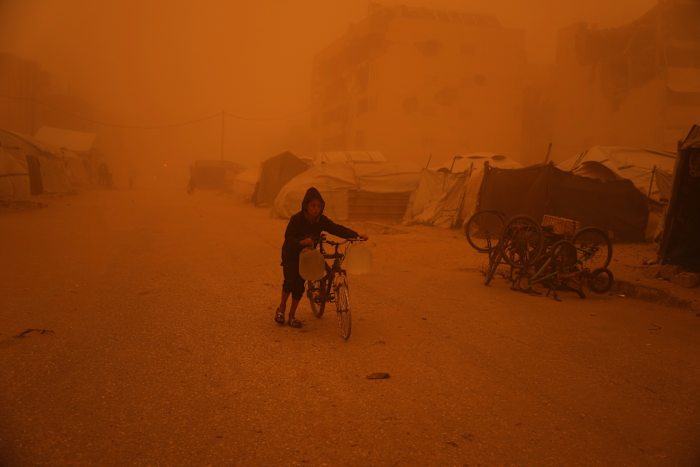
Four lives ended in an instant during an Israeli strike in Gaza. This isn't just another headline or a statistic to scroll past. Among those killed were two children and a pregnant woman. When we talk about "collateral damage" or "military targets," these are the faces we're actually discussing. The strike hit a residential area, turning a home into a makeshift graveyard and leaving a community to sift through the remains of lives interrupted.
Hospital officials at the Al-Aqsa Martyrs Hospital confirmed the details. They're the ones seeing the reality on the ground every single day. They deal with the blood, the screams, and the impossible task of explaining to a father why his children won't be waking up. It’s brutal. It’s messy. And it's happening with a frequency that should make everyone deeply uncomfortable. Also making headlines lately: The Kinetic Deficit Dynamics of Pakistan Afghanistan Cross Border Conflict.
What happened on the ground
The strike occurred in the Nuseirat refugee camp. This area is one of the most densely populated spots on earth. When a missile hits a target here, the margin for error is zero. Even a "precise" strike ripples outward, shattering windows, collapsing walls, and ending lives in neighboring rooms.
The victims were brought to the hospital in Deir al-Balah. Witnesses described a scene of total chaos. People were digging with their bare hands. They weren't looking for belongings. They were looking for heartbeats. Finding a pregnant woman among the dead adds a layer of tragedy that words struggle to capture. It's two lives lost in one body. Further information into this topic are explored by The New York Times.
Military spokespeople often cite the presence of "terrorist infrastructure" or "command centers" to justify these actions. They argue that Hamas embeds itself within civilian populations, using families as shields. While that tactical reality exists, it doesn't change the physical reality of a dead child. The international community watches this cycle repeat. Strike, casualty report, justification, mourning. Then it happens again.
The ripple effect of civilian casualties
We often focus on the immediate death toll, but the impact goes way deeper than the initial blast. Every time a child is killed, a generation of survivors is shaped by that trauma. You don't just "move on" from seeing your neighborhood leveled. This creates a vacuum of hope.
- Healthcare Collapse: Hospitals like Al-Aqsa are beyond their breaking point. They lack basic surgical supplies, clean water, and consistent electricity. Doctors are performing miracles with nothing.
- Displacement Cycles: Families in Nuseirat have often been displaced three or four times already. There's nowhere left to go that’s actually safe.
- Psychological Scarring: The "sound of the drone" is a constant backdrop to life in Gaza. It’s a persistent state of fight-or-flight that never turns off.
The Israeli military maintains it takes precautions to mitigate civilian harm. They point to roof-knocking, phone calls, and leaflets. But in a place like Gaza, where do you run when every direction feels like a gamble? The "safe zones" identified by military maps have also seen strikes. It creates a sense of total unpredictability.
The struggle for accurate reporting
Getting clear information out of Gaza is a nightmare. Internet blackouts are common. Journalists on the ground are risking their lives—and many have lost them. We rely heavily on hospital officials and local stringers who are living the story while trying to report it.
Critics often question the numbers provided by the Gaza Health Ministry or local hospitals, noting they're under the control of Hamas. However, international organizations like the United Nations and Human Rights Watch have historically found these figures to be broadly reliable. They match the physical destruction seen in satellite imagery and the sheer volume of funerals.
When a hospital official says four people died, including children, they aren't just making a political statement. They’re looking at bodies on gurneys. They’re documenting the end of a family line. That’s the reality that gets lost in the geopolitical shouting matches.
Looking at the broader context
This specific strike is part of a much larger, more violent tapestry of conflict that has escalated since October 2023. The numbers are staggering. Tens of thousands dead. Millions displaced. A landscape that looks more like a moonscape than a Mediterranean coast.
International law is pretty clear on the protection of civilians. The principle of proportionality requires that the military advantage gained must outweigh the harm to civilians. When two children and a pregnant woman die in a single strike, that math feels broken. It raises questions about the intelligence used to greenlight these operations. Was the target worth it? Was there another way?
Immediate steps for those following the crisis
Don't just read the headline and move on. If you want to understand or help, you have to look at the organizations actually operating in the heat of it.
- Support Medical Relief: Groups like Médecins Sans Frontières (Doctors Without Borders) and the Palestinian Red Crescent are on the front lines. They need supplies that aren't getting through the blockades.
- Demand Transparency: Reach out to representatives to ask for clearer reporting on how intelligence is used in these strikes and what measures are being taken to protect non-combatants.
- Stay Informed via Primary Sources: Look for reports from the UN Office for the Coordination of Humanitarian Affairs (OCHA). They provide daily updates that go beyond the soundbites.
The situation in Gaza isn't a "conflict" in the abstract. It’s a series of specific, daily tragedies. Four people died today in Nuseirat. Their names might not make it into every Western news cycle, but their absence is a permanent hole in the world. Pay attention to the names. Look at the faces. Don't let the frequency of the violence make you numb to the individual lives being cut short.