When a federal immigration agent allegedly steers an unmarked SUV into a fleeing pedestrian and drives the vehicle away from a crash scene before local prosecutors can pull the crash data, you aren't looking at a routine traffic accident anymore. You're looking at a full-blown clash between local criminal justice and federal enforcement power.
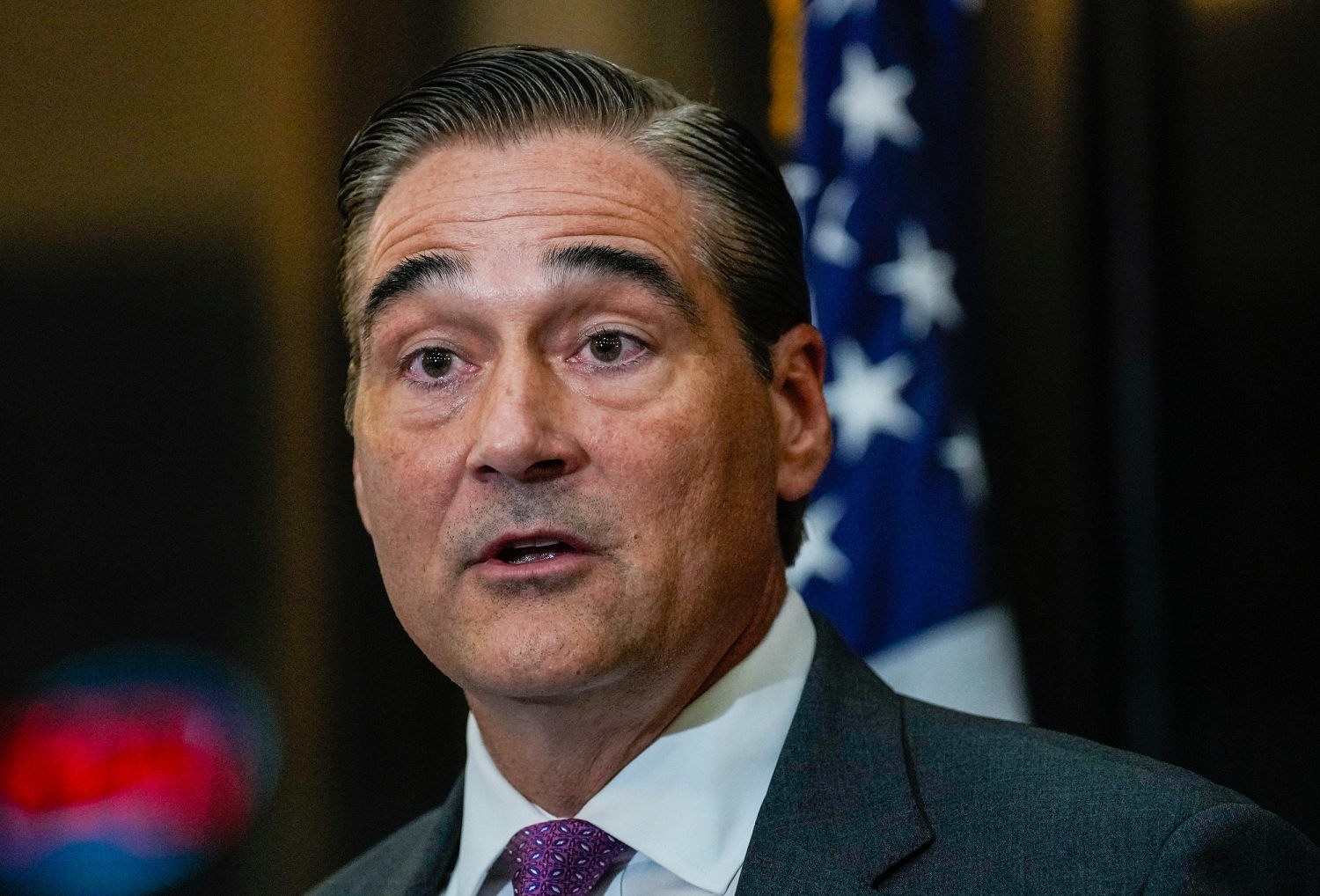
In October 2026 in Harris County, Texas, District Attorney Sean Teare publicly accused U.S. Immigration and Customs Enforcement officer Mario Alberto Morales of steering his vehicle into 48-year-old construction worker Miguel Parra-Hernandez during an enforcement operation. Teare also called out ICE for removing the vehicle from the scene despite prosecutors notifying agents of plans to tow it to a secure lot and download crash data. A Harris County grand jury subsequently indicted Morales on a second-degree felony charge of aggravated assault with a deadly weapon.
Plenty of quick news recaps treat this story like a simple he-said-she-said headline. ICE says Parra-Hernandez ran in front of the SUV and calls the accusations a political stunt. Teare points to video footage and missing vehicle telemetry. Honestly, stopping at surface claims misses the real story: how video, crash data recorders, and federal-local friction collide when a state prosecutor charges a federal agent.
How the Houston ICE Vehicle Case Escalated
The incident happened on October 10, 2026, in northwest Harris County during an ICE pursuit involving a vehicle and individuals who fled on foot. According to reporting from The Texas Tribune and PBS News, video released or reviewed by Teare's office showed Morales, 33, swerving toward Parra-Hernandez as the unmarked SUV struck him.
Parra-Hernandez suffered serious leg injuries requiring surgery and metal implants, along with ankle trauma and ongoing pain, while remaining in federal immigration custody.
Teare didn't mince words after watching the footage. He stated that the video undermined ICE's claim that Parra-Hernandez darted in front of the vehicle and argued that the SUV was used as a deadly weapon. Following the grand jury indictment announced on October 30, 2026, Morales surrendered, pleaded not guilty, and posted a $30,000 bond, with his next court appearance set for December 2.
Why Missing Vehicle Evidence Matters So Much
Here's the part that tends to get glossed over in fast-moving coverage: when a vehicle leaves a crash scene before forensic download, investigators don't just lose a piece of metal—they risk losing time-sensitive digital data.
According to KPRC Click2Houston, Teare explained that crash data recorders and related forensic information can be overwritten or lost if a vehicle continues to be driven. Standard investigative practice in serious collisions is to place the vehicle on a tow truck, move it to a secure facility, and extract data under controlled conditions. Teare said prosecutors told ICE agents that was the plan, yet an officer left the scene in the vehicle anyway without consenting to the download.
In a case where intent is the central legal battleground, every second of data counts. Was the driver braking or accelerating? How sharp was the steering angle right before impact? What was the speed? Video helps tell the story from an outside or body-camera angle, but vehicle telemetry gives hard numbers that either back up or challenge human memory.
At the same time, fairness requires looking at the defense side. Morales's attorney, David Lindenmuth, has called the collision an accident, arguing Morales was trying to avoid another truck and did not intend to strike anyone. ICE has pushed back hard against claims of intentional harm, framing the prosecution as politically motivated. When a grand jury indicts, that's a probable-cause decision—not a trial verdict. A jury at trial will still weigh all admissible evidence under a much higher standard.
What This Case Reveals About Federal vs. Local Authority
If you've followed policing and prosecution disputes in big Texas counties, you know this tension isn't happening in a vacuum. Local district attorneys have jurisdiction over state crimes committed within their borders, while federal agencies operate under federal statutes and chain-of-command rules.
When an enforcement operation goes sideways, practical friction shows up fast:
- Scene control gets messy: Local investigators want immediate access to scenes, witnesses, and vehicles, whereas federal agents may prioritize operational security or agency protocols.
- Narratives diverge early: Agencies often release statements emphasizing officer safety and broader enforcement statistics—such as ICE's statements citing rising assaults and vehicle attacks against officers—while local prosecutors focus on specific video frames and state penal code elements.
- Custody complicates access: When an injured person remains in federal immigration detention during recovery, defense attorneys, families, and local officials often face extra hurdles coordinating updates and access.
Even broader political shifts add layers to the story. As The Guardian noted following the November 2026 midterm elections, federal immigration enforcement funding and state-local cooperation in Texas are facing intense scrutiny and political shakeups. Still, criminal courtroom outcomes depend on admissible evidence, legal defenses, and witness credibility—not cable news talking points.
Common Misconceptions People Have About Cases Like This
A few assumptions pop up every time a high-profile officer-involved crash hits the news. Let's clear them up.
An indictment proves guilt beyond a reasonable doubt
It doesn't. A grand jury indictment means prosecutors presented enough evidence for the panel to find probable cause that a crime occurred. Morales has pleaded not guilty, and his legal team gets to challenge the state's interpretation of the video and facts in court.
Video automatically settles what a driver was thinking
Video is powerful, and in this case Teare said the footage contradicted the claim that Parra-Hernandez simply ran in front of the SUV. Yet camera angles, frame rates, and obstructions can still spark fierce courtroom debate over whether steering was deliberate, panicked, or negligent.
Claiming a vehicle was removed automatically proves a cover-up
Not necessarily. A prosecutor can accurately point out that removing a vehicle before a forensic download creates a serious evidentiary problem without proving a deliberate cover-up in court. That distinction matters when judging what has been alleged versus what has been proven.
Practical Next Steps If You're Following or Affected by Similar Incidents
Whether you're tracking this prosecution as a local resident, advocate, or legal observer, don't rely on single-source snippets. Follow the court record as new filings, evidentiary rulings, and bond hearings unfold—starting with Morales's scheduled December 2 appearance.
If you or someone you know is ever involved in or witnesses a law enforcement vehicle collision, focus on concrete documentation right away: note exact times and locations, preserve any dashcam or phone video without altering metadata, write down witness details while memories are fresh, and consult a qualified criminal defense or civil rights attorney before giving detailed statements. Keeping facts straight early on is the single smartest move you can make when official accounts clash.
Texas ICE agent indicted after striking pedestrian with vehicle provides background coverage of the indictment and video released by prosecutors in Houston. You can also watch Texas DA says ICE vehicle 'drove into the individual' after reviewing footage to hear directly from the prosecutor about how video evidence shaped the investigation.