The myth of a rock-solid, bipartisan American consensus on Israel is officially dead.
If you wanted a autopsy report, you got it on the House floor on July 15, 2026. In a vote that would have been unthinkable just a few years ago, more than half of all House Democrats—104 in total—voted to strip $3.3 billion in foreign military aid from Israel.
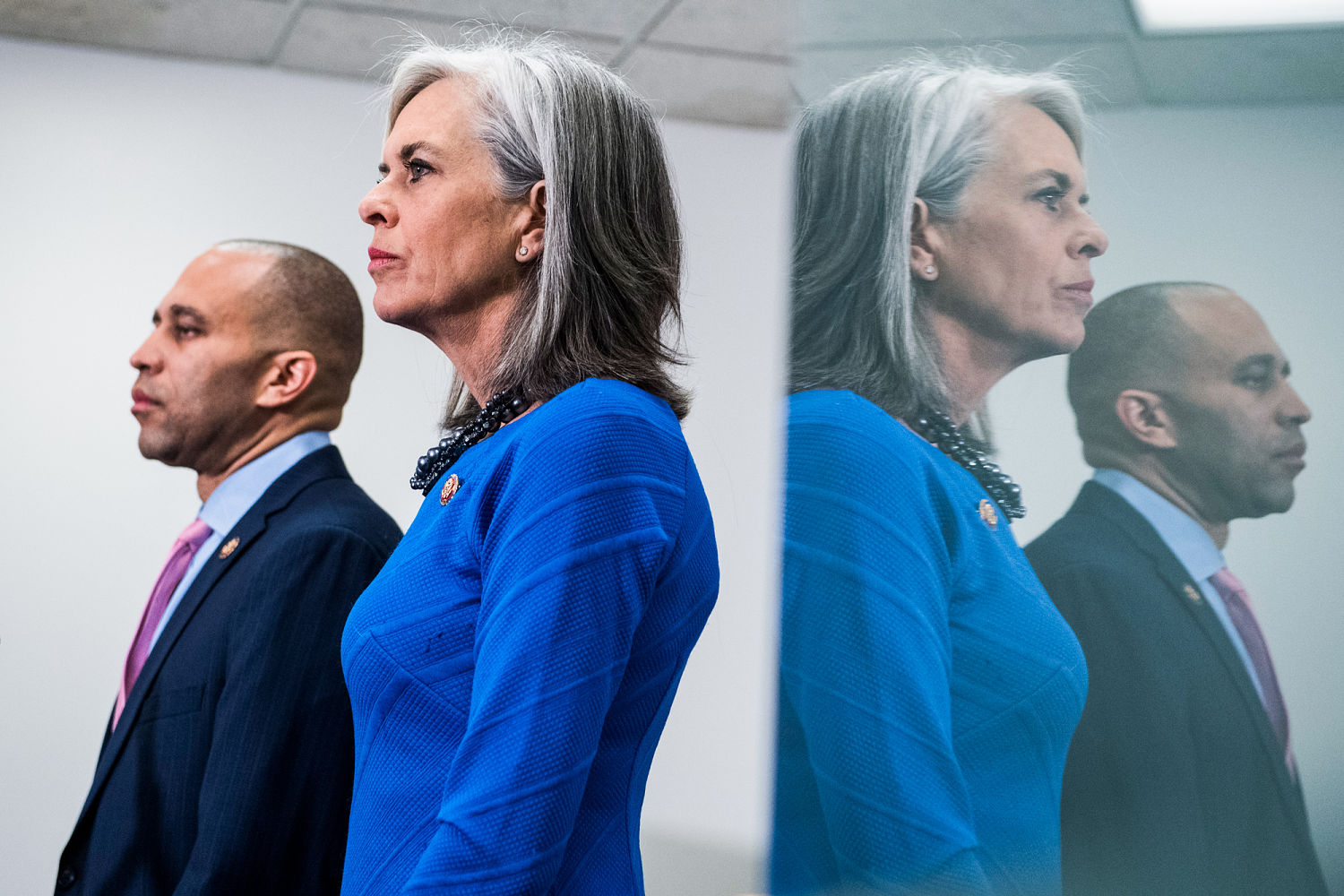
Sure, the amendment failed. It was proposed by Thomas Massie, a libertarian Republican, and defeated 314 to 104. But focusing on the final tally misses the entire point. The real story is the tectonic shift happening inside the Democratic Party. When the Democratic Whip, Representative Katherine Clark of Massachusetts, breaks rank to vote to withhold military funds, you're not looking at a fringe protest anymore. You're looking at a mainstream transformation.
This isn't just about a single vote on a hot July afternoon. It's about a party staring down a midterm election year, completely torn between its traditional establishment roots and an energized, deeply angry voter base that feels the U.S. has been writing a blank check for a humanitarian disaster.
The Numbers That Should Worry Democratic Leaders
To understand how we got here, you have to look at how rapidly public opinion has shifted underneath the feet of Washington politicians.
For decades, backing Israel was the easiest, safest bet in American politics. Not anymore. A fresh AP-NORC poll released this month reveals some staggering data points:
- The "Genocide" Label: Roughly half of all Democrats now believe Israel has committed genocide against Palestinians in Gaza.
- The Support Gap: About 58% of Democrats say the U.S. is "too supportive" of Israel, up from 45% in early 2024.
- The Jewish Democratic Split: Even among Jewish Democrats, 51% now agree that U.S. support has gone too far.
These aren't just marginal progressive activists. These are the loyal, everyday voters who make up the backbone of the party. The generational divide is real, and it's widening. Older Democrats who remember a young, underdog Israel fighting for survival are being replaced by younger voters who have only known Israel as the dominant military superpower in the region, led by a far-right government under Benjamin Netanyahu.
The Midterm Tightrope and the Michigan Warning
Democratic candidates out on the campaign trail are feeling this pressure directly in their bones. Look at Michigan’s Senate primary.
Michigan is home to one of the largest Arab American and Muslim populations in the United States. During a recent televised debate, establishment Representative Haley Stevens felt compelled to sharpen her knives against Netanyahu, declaring, "It is very clear that Mr. Netanyahu has not made us safer."
Her progressive opponent, Abdul El-Sayed, immediately called it out as political theater, pointing to her past voting record. But the exchange itself is telling. Even moderate, establishment Democrats realize they can no longer defend Netanyahu's war strategy and expect to survive a primary.
This creates a brutal strategic trap. On one hand, candidates need to mobilize young, progressive, and minority voters who are deeply alienated by the images coming out of Gaza. On the other hand, they are terrified of being painted by Republicans as anti-Israel or weak on national security.
Why the Old Playbook Doesn't Work Anymore
Democratic House Leader Hakeem Jeffries tried to thread the needle by opposing the Massie amendment, arguing there are "more decisive ways to achieve the urgent change necessary" than stripping all aid.
But honestly, those moderate, diplomatic talking points are losing their grip on the base.
For years, the standard Democratic playbook was simple: condemn Netanyahu’s right-wing cabinet, express deep concern over civilian casualties, but keep the military aid flowing unconditionally. Today, that distinction has collapsed. Voters don't see a difference between the weapons we send and the policy we criticize.
When Representative Steny Hoyer stands up to argue that cutting aid "dangerously undermines American national security," it sounds to a massive portion of his own party like yesterday's news. They see a blank check that has sustained a war now approaching its third year, with a staggering death toll that has fundamentally altered how the world views the conflict.
Navigating the Road Ahead
This division isn't going away. If anything, the upcoming midterms are going to act as a giant magnifying glass on these internal cracks. If you're managing a campaign, or just trying to understand where American foreign policy is heading, you need to watch how these battles play out in specific districts.
- Expect More Split Votes: The days of unanimous Democratic consent on defense spending bills are over. Expect progressives to leverage every single budget negotiation to force tough votes on weapon conditions.
- Watch the Primaries: The real battle for the soul of the Democratic party isn't happening in general elections; it's happening in closed primaries where candidates are forced to take concrete stances on foreign military financing.
- The Rise of Conditional Aid: The middle ground for Democrats will likely solidify around conditioning aid rather than cutting it entirely—a position that still represents a massive departure from the historical status quo.
The debate has shifted permanently. The 104 Democrats who voted to strip aid didn't just cast a symbolic vote; they drew a line in the sand. And the rest of the party is quickly being forced to decide which side they want to stand on.