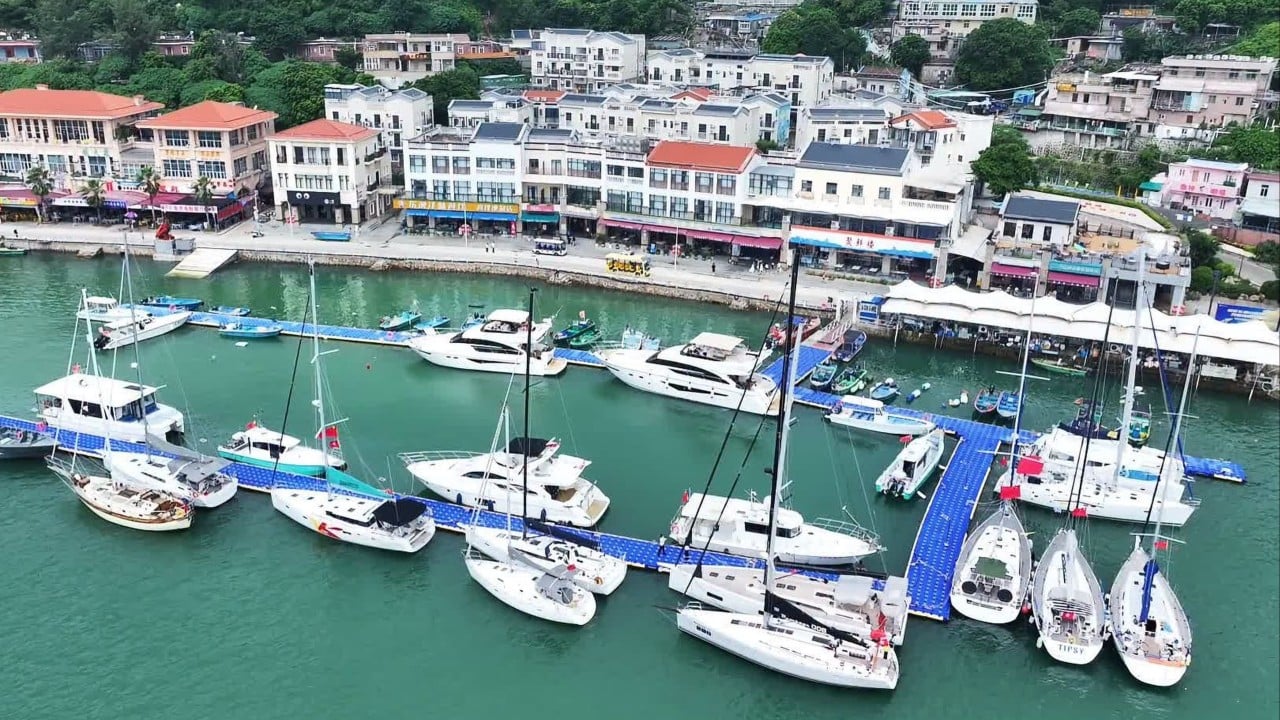
If you own a boat in Hong Kong, you already know the brutal reality of the city's maritime scene. You pay top dollar for a vessel, and then you spend months hunting for a safe place to put it. Registered pleasure vessels outnumber available berths nearly three to one. Boats end up crammed into typhoon shelters like cars looking for parallel parking during rush hour.
Enter the much-touted cross-border yacht scheme linking Hong Kong with Guangdong and the wider Greater Bay Area. Officials want to turn the territory into the Monaco of the East. They talk about a multi-billion dollar economic windfall, luxury tourism, and smooth cross-border cruising.
Sounds great on paper. But will it actually work? Or is it just another bureaucratic dream weighed down by heavy costs and red tape?
The Berthing Crunch Is Getting Worse
Let's look at the numbers. Hong Kong houses close to 12,000 registered pleasure craft, but official mooring and berthing spaces hover stubbornly between 3,000 and 4,300.
That math doesn't work. Boat owners are forced to anchor illegally, wait years for a government mooring, or pay exorbitant private marina fees.
The government plans to add roughly 1,100 new berths across locations like the former Lamma Quarry, Aberdeen Typhoon Shelter, and Hung Hom. Lawrence Chow, chairman of the Hong Kong Boating Industry Association, has pointed out that while recent policy shifts show genuine intent, building concrete infrastructure takes time. Until those berths actually open, a new travel scheme only invites more boats into an already overflowing bathtub.
Crossing the Border Comes With Strings Attached
The cross-border arrangement allows certain local owners to sail north into mainland waters under streamlined temporary certificates. Numbers from early rollout phases showed dozens of vessels grabbing temporary ship nationality certificates to visit spots like Zhuhai.
Yet, the traffic is heavily lopsided. Right now, it largely functions as a one-way street enabling Hong Kong boats to head north. Southbound entry for mainland-registered yachts faces prolonged regulatory hurdles, pending reciprocal adjustments.
Captains heading north also face rigid operational constraints. You need specific citizenship credentials, home-return documents, strict passenger caps, and advance digital clearance filings. If you miss a digital window or misfile your paperwork, your weekend getaway turns into an administrative nightmare. Bureaucracy loves a good form, and marine customs departments are no exception.
The Cost Factor and Regional Competition
Hong Kong has a massive structural advantage: zero import tariffs on yachts. Across the border in mainland China, import duties can run as high as 40 percent. That tax-free perk makes Hong Kong an exceptional tax haven for high-net-worth asset parking.
Even so, maintenance and repair costs in the city remain punishingly high. Labor shortages mean specialized carpentry, teak deck overhauls, or engine repairs cost a small fortune and take months to complete. Nearby mainland ports like Zhuhai are aggressively marketing themselves as lower-cost hubs with rapid turnaround times and zero-guarantee policies for visiting vessels.
If local boat owners can get maintenance done faster and cheaper just a few miles away, Hong Kong risks becoming a place where people merely register boats for tax purposes rather than maintaining or servicing them locally.
What Needs to Happen Next
Transforming a symbolic policy announcement into a functional maritime economy requires aggressive execution.
First, authorities must fast-track the promised physical berths without letting environmental reviews or zoning disputes drag on for a decade. Second, customs clearance needs a true single-window digital portal that cuts waiting times to minutes instead of hours. Third, training programs must target local marine technicians to close the massive skills gap in boat repair.
If Hong Kong wants to wear the crown of a premier regional yachting hub, it has to clear out the administrative sludge. Stop treating pleasure boating as an exclusive nuisance for the ultra-wealthy and start treating it like the vital maritime industry it can actually become. Build the infrastructure, cut the paperwork, and let the harbor breathe.