Executive Thesis
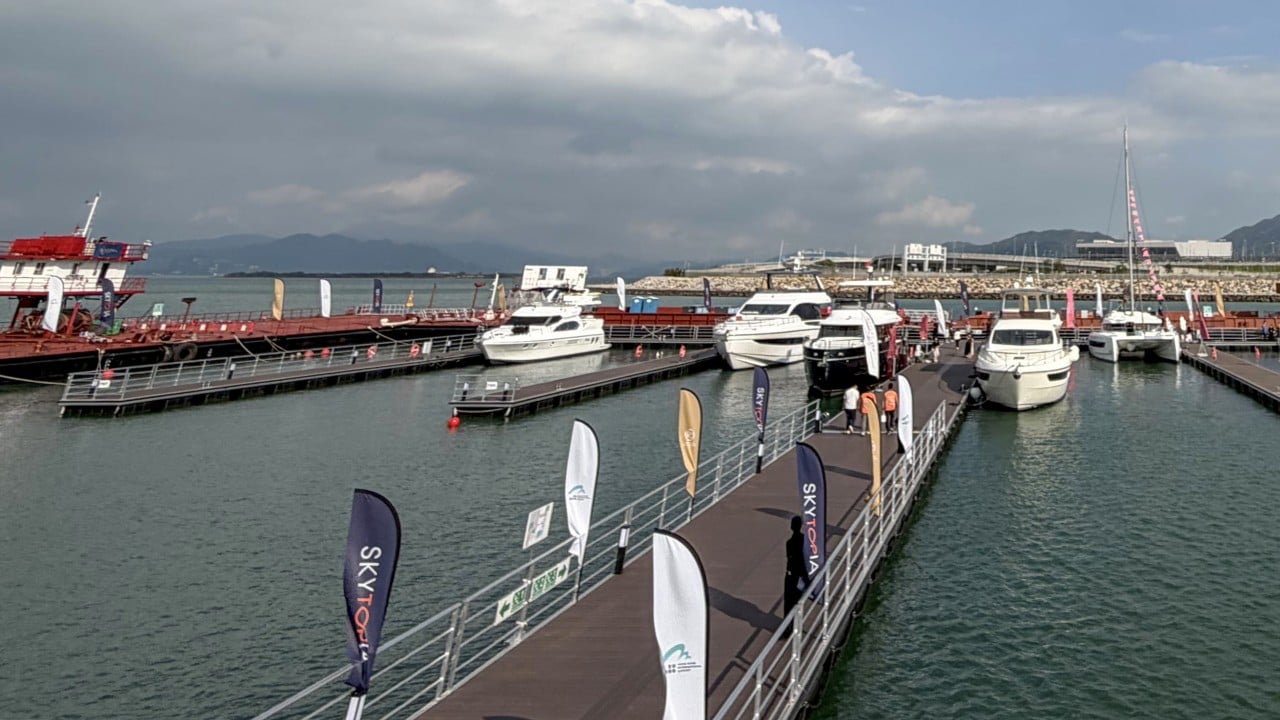
The partnership between Hong Kong entities and the Yacht Club de Monaco (YCM) to engineer the marina infrastructure for the Skytopia development represents a deliberate pivot from standard real estate asset creation toward ultra-high-net-worth (UHNW) maritime ecosystem capture. Marinas in major mixed-use developments are frequently mismanaged as loss-leading amenities or static docking inventory. When executed through international institutional standards, superyacht infrastructure serves as an economic multiplier, driving capital retention, high-margin maritime services, and commercial real estate premiums across adjacent onshore sectors.
Evaluating the viability of the Skytopia marina development requires moving beyond PR announcements to analyze three core structural dynamics: environmental engineering constraints, capital allocation efficiency, and international regulatory alignment. If you enjoyed this piece, you should look at: this related article.
Architectural and Coastal Engineering Dependencies
Developing a world-class superyacht destination requires addressing complex oceanographic and structural mechanics. Superyacht operations are bounded by strict physical tolerances that govern site selection, basin depth, and breakwater design.
- Draft and Basin Clearance: Superyachts exceeding 60 meters in length typically require minimum water depths of 5 to 7 meters under low-water astronomical tides. In coastal development zones, achieving this clearance demands intensive initial dredging and continuous sediment management.
- Hydrodynamic Attenuation: Vessel integrity depends on minimizing wave agitation inside the harbor basin. Standard specifications require wave attenuation systems capable of dampening wave heights inside the marina to under 0.3 meters during standard surge events.
- Shore-side Power and Utilities Infrastructure: Modern maritime sustainability standards mandate high-capacity shore power (cold ironing) to allow mega-yachts to shut down auxiliary diesel generators while berthed. Integrating high-voltage grid connections, greywater treatment connections, and high-flow bunkering systems into floating pontoon networks increases upfront civil engineering costs by 35% to 50% compared to standard leisure boat slips.
Failure to engineer these baselines directly caps the tier of vessels able to call at the port, reducing the addressable yield per berth. For another perspective on this event, check out the latest coverage from The Motley Fool.
The Three Pillars of Maritime Destination Value Creation
The joint initiative between Hong Kong capital interests and Monaco’s maritime authority relies on a clear three-part value chain.
+-----------------------------------------------------------------------+
|                         MARITIMA VALUE CHAIN                          |
+------------------------------------+----------------------------------+
| 1. Standards & Certification       | Reciprocal berthing agreements & |
|    (Yacht Club de Monaco)          | international compliance         |
+------------------------------------+----------------------------------+
| 2. Marine Civil Infrastructure     | Deep-water berths, shore power,  |
|    (Skytopia Engineering)          | hydrodynamic breakwaters         |
+------------------------------------+----------------------------------+
| 3. High-Margin Service Operations  | Chandlery, refit support, crew   |
|    (Hong Kong Maritime Hub)        | accommodations, provisioning     |
+------------------------------------+----------------------------------+
1. Brand Equity and Operational Standards
The Yacht Club de Monaco operates under the "La Belle Classe Destinations" certification standard. Partnering with YCM provides Skytopia with established operational protocols, safety compliance frameworks, and environmental management guidelines. This immediate operational credibility lowers the barrier to entry for international vessel captains and management firms navigating unfamiliar territory.
2. Reciprocal Network Dynamics
Maritime migratory patterns for superyachts are highly concentrated. Vessels migrate seasonally between the Mediterranean (May-September) and the Caribbean or Southeast Asia (November-April). Aligning with a European anchor destination allows Skytopia to position itself within established global sailing itineraries, driving seasonal traffic rather than relying solely on local vessel ownership.
3. Economic Spillover and Service Integration
Berth fees represent only a small fraction of superyacht expenditure. Annual vessel operating costs typically hover around 10% of the initial build cost. Of this expenditure, the local economy captures revenue across distinct service categories:
- Bunkering and Technical Maintenance: Fuel supply, hull cleaning, and emergency mechanical repairs.
- Provisioning: High-end food, beverage, and hospitality supply chains.
- Crew Logistics: Long-term shore accommodation, training, and transport services for rotating crew members.
Economic Risk Factors and Structural Bottlenecks
While the strategic rationale for the partnership is clear, development models of this scale face distinct operational and macroeconomic risks.
Regional Refit Infrastructure Deficits
A marina cannot function as a permanent home port without access to nearby refit, repair, and haul-out yards capable of servicing 50+ meter hulls. If regional shipyards lack high-tonnage travelifts or dry docks, superyachts will utilize the marina strictly as a short-term transit stop rather than a permanent home berth, drastically reducing recurring local expenditure.
Regulatory and Flag-State Friction
Cross-border yacht movement depends heavily on local maritime regulations, charter licensing laws, and customs clearance procedures. Complex cruising permits, high cabotage restrictions, or burdensome crew visa requirements will offset the advantages of high-spec physical infrastructure, causing vessel operators to bypass the destination in favor of more flexible jurisdictions.
Strategic Execution Framework
To capitalize on this partnership and secure high-yield asset utilization, the development consortium must execute a phased operational roadmap.
- Prioritize Deep-Water Infrastructure Engineering: Direct capital expenditure toward primary civil and submerged assets—specifically dredging depth and hydrodynamic breakwaters—to accommodate the upper decile of global hull lengths before finalizing onshore commercial real estate.
- Establish Streamlined Maritime Customs Protocols: Work with regional transport and customs authorities to institute clear cruising permits, simplified customs clearance, and charter-friendly regulations for visiting foreign-flagged vessels.
- Build a Domestic Marine Service Network: Develop dedicated onshore supply lines and technical service partnerships with local shipyards to ensure vessels can execute routine maintenance and full-scale provisioning without leaving the territorial waters.