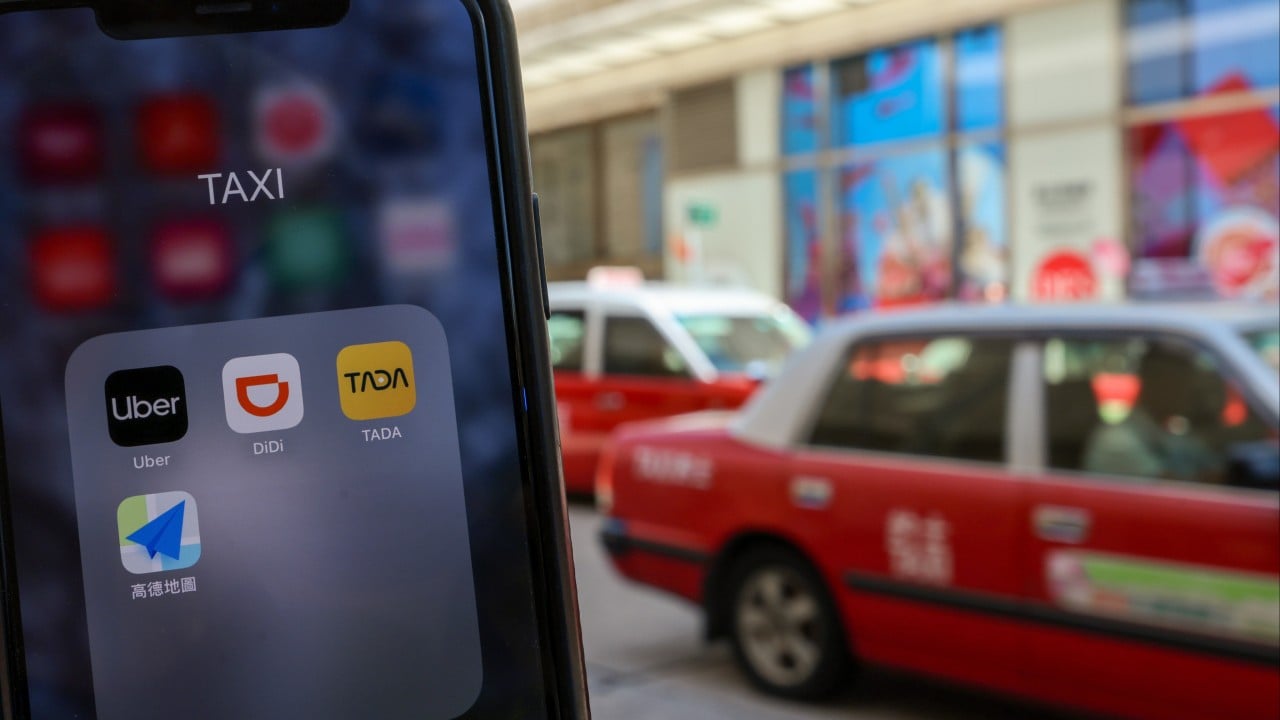
If you think booking a ride in Hong Kong is just about getting from Central to Causeway Bay without dealing with a grumpy cabbie, think again. The government is changing the rules of the road. It isn't just about capping car numbers or issuing licenses anymore. It's about data. Specifically, who tracks it, where it sits, and how the state uses it to protect national security.
The Hong Kong government recently gazetted four pieces of subsidiary legislation to finally regulate the wild west of app-based transport. For years, platforms like Uber operated in a legal gray zone. Now, the city plans to issue an initial batch of 10,000 ride-hailing vehicle permits. But these permits come with a massive catch. Operators must share, submit, and securely store their operational data with the Transport Department.
This isn't just routine bureaucracy. In an era where location tracking paints a perfect picture of a city's daily habits, who goes where, when, and with whom, ride-hailing data has transformed into a sensitive asset. Hong Kong is making it clear that moving people means moving data, and that data must stay firmly under official oversight.
The Real Power Inside Your Ride Hailing App
Most passengers assume ride-hailing apps only track GPS coordinates during a trip. That's a massive understatement. These apps track your precise pickup and drop-off habits, your saved home and work addresses, payment details, and even how much battery life is left on your phone. If you leave the app running, it can monitor location patterns long after you close the door.
When you scale that up to a city level, it gets intense. A consulting firm study revealed that Hong Kong sees about 880,000 daily passengers using point-to-point transport. While traditional taxis handle roughly 78 percent of those trips, ride-hailing platforms capture a solid 22 percent, translating to 190,000 users and 114,000 individual trips every single day.
Imagine having a real-time, high-resolution map of all those movements. You'd know exactly when civil servants leave government offices. You'd see which corporate executives are meeting at specific hotels. You'd track the movement patterns of journalists, activists, and foreign diplomats. For any government focused on national security, allowing an unregulated, potentially foreign-owned tech platform to hold the keys to that data map is a massive vulnerability.
Data Storage Meets National Security
Hong Kong's unique political position makes data localization an urgent priority for local authorities. Under the updated regulatory framework, platform operators must comply with strict data management rules. The goal is simple: ensure that the data generated by Hong Kong residents stays accessible to local regulators and protected from foreign interference.
The global community has seen this play out before. The most famous example is China's Cyberspace Administration cracking down on DiDi Global in 2021 right after its US initial public offering. The central issue back then was data security and the fear that a foreign listing could expose sensitive domestic traffic and mapping data to overseas regulators. Hong Kong is now adopting a similar mindset.
Secretary for Transport and Logistics Mable Chan explicitly stated that the government will impose strict requirements for operators to submit, share, and store relevant operational data. By funneling this data directly to the Transport Department, the government achieves two goals at once. First, it feeds a "dynamic assessment" model to manage traffic congestion. Second, it closes a loophole where local citizen data could be stored on offshore servers beyond the reach of local law enforcement.
Balancing Cabbies, Code, and Control
The new framework isn't just about surveillance; it's a complex economic balancing act. Chief Executive John Lee noted that the government needs to strike a tight balance between public travel needs, road capacity, and regulatory oversight.
Hong Kong's transport dynamic is incredibly specific. Nearly 90 percent of the public relies on public transportation like the MTR and buses for daily journeys. With limited road space, the government can't just let an infinite number of private cars flood the streets. That's why the initial cap is locked at 10,000 permits, lower than the 15,000 figure that some industry insiders lobbied for.
Traditional taxi operators, who own the city's 18,000 premium-plated cabs, have fought ride-hailing apps for over a decade. They argue that tech platforms undercut their business while dodging strict licensing fees and insurance mandates. By forcing app companies to register, pay fees, and open their books, the government levels the playing field while bringing the tech giants to heel.
What This Means for Drivers and Passengers
If you use these apps to get around Hong Kong, things are going to change by the end of November when the system goes live.
For passengers, the riding experience might feel identical on the surface, but the underlying privacy policy you accept when opening the app will look vastly different. Your data will be logged and shared with local transport authorities. Unlicensed, "underground" rides will face fierce crackdowns and enhanced penalties, making it much harder to find cheap, off-platform rides.
For drivers, the era of casual gig-work is basically over. To operate legally, you'll need to pass a newly introduced combined driving test for taxis and ride-hailing vehicles. You'll need an official vehicle permit, and your operational hours will be tracked under the platform's data-sharing dashboard. The government calculates that a licensed vehicle can handle about 12 trips a day based on a six-hour shift, and they will use your data to prove whether you're hitting those metrics.
Next Steps for Platforms and Users
Tech platforms looking to operate legally in Hong Kong have a tight timeline to get their houses in order. The government expects to invite interested platforms to file applications as soon as August. If you're managing a tech business or handling user data in this space, here is what needs to happen next:
- Audit Server Infrastructure: Platforms must ensure their data storage architecture allows for direct, localized data siloed within Hong Kong jurisdiction to comply with incoming Transport Department mandates.
- Update Privacy Terms: App developers need to explicitly rewrite user agreements to reflect the mandatory data-sharing requirements with the Hong Kong government.
- Streamline Compliance Pipelines: Companies must build automated data pipelines that feed operational metrics directly to the Transport Department's tracking systems without compromising user encryption protocols.
- Prepare Driver Networks: Platforms need to transition their existing driver pools toward the new combined licensing tests well ahead of the November launch to avoid a sudden shortage of legal drivers.
The reality is clear. Hong Kong is no longer treating ride-hailing as a tech innovation anomaly. It's viewing it as critical urban infrastructure, and in 2026, infrastructure means data security. Platforms will either adapt to this state-centric model or find themselves locked out of one of the world's most lucrative transit markets.