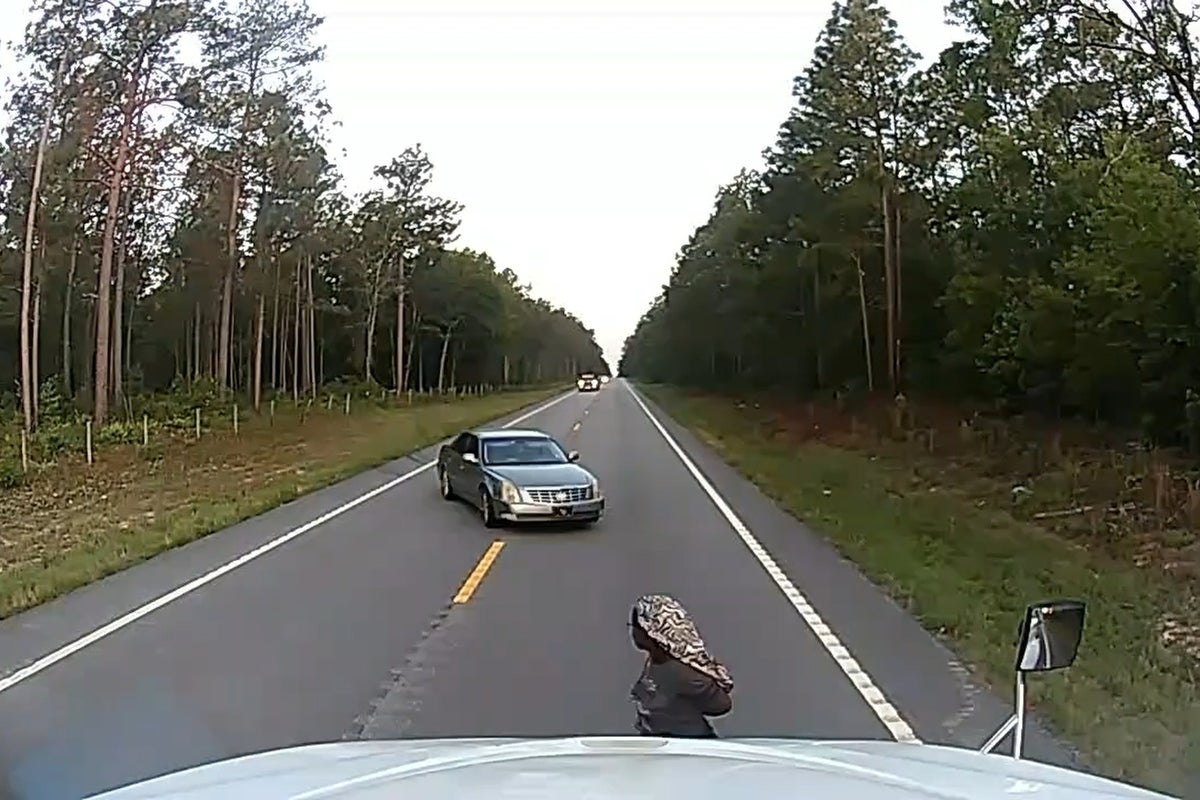
The internet loves a vigilante savior. When headlines broke about a truck-driving preacher allegedly chasing down a vehicle to rescue a handcuffed kidnapping victim on a Georgia highway, the collective media apparatus did exactly what it always does. It spun a narrative of pure, unadulterated heroism. It painted a picture of a lone wolf defying the odds, using a multi-ton commercial vehicle to execute a citizen's intervention.
It is a heartwarming story. It is also a terrifyingly dangerous precedent to celebrate.
Mainstream coverage of highway interventions suffers from a severe case of main-character syndrome. The lazy consensus dictates that when civilians spot a crime in motion on an interstate, the correct response is to engage, pursue, and play the role of an untrained traffic enforcement officer. This civilian-savior narrative ignores the physics of heavy transport, the psychology of desperate criminals, and the strict operational protocols that actually keep people alive on the road.
Let us dismantle the romanticized highway hero myth and look at the brutal reality of interstate logistics and safety.
The Physics of a 15-Ton Weapon
When a civilian passenger vehicle engages in a high-speed pursuit, the risk is high. When a commercial truck driver decides to get involved, the risk multiplies exponentially.
A fully loaded tractor-trailer can weigh up to 80,000 pounds. Even an empty bobtail tractor weighs well over 10,000 pounds. Average stopping distances for commercial motor vehicles are nearly double those of passenger cars under ideal conditions. By turning a commercial vehicle into an active pursuit asset, a driver transforms a massive logistical tool into a rolling kinetic weapon.
Imagine a scenario where a truck driver attempts to box in a suspect vehicle. The suspect panics, swerves, and clips the truck's front bumper. In a Hollywood movie, the suspect car spins out safely into a ditch. In reality, a sudden maneuver at 70 miles per hour frequently triggers a multi-car pileup, a jackknife incident, or a rollover that blocks four lanes of traffic.
I have spent years analyzing fleet safety data and reviewing post-accident telemetry. The numbers do not lie. Sudden, aggressive lane changes and unauthorized pursuits by commercial vehicles result in catastrophic secondary collisions far more often than they result in clean, cinematic apprehensions. When you celebrate a driver who uses their truck as a tactical tool, you encourage thousands of other untrained drivers to try the same thing next Tuesday.
The Flawed Premise of Civilian Intervention
The public frequently asks: "If you see someone in danger, shouldn't you do everything you can to stop it?"
The brutal, honest answer is no. You should do everything you can to facilitate professional intervention without escalating the volatility of the situation.
When an untrained civilian attempts to corner a criminal suspect on a live highway, they introduce an unpredictable variable into an already unstable equation. Criminals fleeing law enforcement or transporting victims are operating under extreme adrenaline surges. They are not rational actors. If they feel boxed in by a massive commercial truck, their likelihood of utilizing deadly force skyrockets.
What happens if the suspect pulls a firearm and begins shooting through their windshield at the truck driver? Now you have an out-of-control 15-ton vehicle moving at highway speeds with a wounded or dead driver at the wheel. The kidnapping victim is still trapped, and dozens of innocent commuters are now in the direct path of an unguided missile.
Law enforcement officers undergo hundreds of hours of tactical vehicle intervention training. They understand PIT maneuvers, rolling roadblocks, and tire deflation deployment. They operate with sirens, emergency lighting, and real-time coordination from dispatchers who monitor traffic flow. A truck driver, no matter how noble their intentions, has none of this infrastructure.
Redefining the Real Duty of the Road
The true measure of professionalism on the highway is not vigilantism; it is hyper-accurate observation and seamless communication.
The drivers who actually save lives without making headlines are the ones who act as the eyes and ears of state patrols. If you spot a vehicle matching an Amber Alert description or witness an active assault inside a moving car, the most effective tool at your disposal is your communication equipment, not your bumper.
The protocol that actually works requires a systematic approach:
- Maintain a safe following distance that does not alert the suspect or provoke aggressive evasive maneuvers.
- Note the exact mile markers, direction of travel, lane position, and changing speed patterns.
- Provide a continuous, calm data stream to emergency dispatchers, including precise vehicle descriptions, license plate numbers, and distinct markings.
- Clear the path for arriving law enforcement units so they can execute a controlled stop.
This approach lacks the cinematic flair that drives clicks on news websites. It will not get you interviewed on morning talk shows. But it keeps the highway open, it keeps other drivers alive, and it gives tactical units the clean environment they need to secure the victim safely.
The Corporate and Legal Backlash
There is another side to this coin that the media conveniently ignores: the absolute destruction of a driver’s livelihood following a rogue intervention.
Commercial fleets operate under strict risk-management guidelines. The moment a driver engages in an unauthorized, high-risk highway pursuit, they violate standard operating procedures, federal safety regulations regarding distracted and reckless driving, and corporate insurance policies.
I have seen drivers terminated within 24 hours of performing an action the public deemed "heroic." Why? Because corporate legal teams look at the catastrophic liability. If a driver damages private property, injures a bystander, or causes a secondary wreck while playing cop, the trucking company faces millions of dollars in lawsuits. No amount of good press outweighs a multimillion-dollar negligence judgment in a nuclear verdict environment.
Admitting this truth is uncomfortable. It feels cold to tell a well-meaning person to stay in their lane—literally. But pretending that the highway is an open arena for civilian frontier justice is an invitation to chaos.
Stop asking how truck drivers can step in to physically stop crimes on the interstate. Start demanding better real-time integration between commercial logistics networks and state law enforcement tracking systems. Use data, use communication, and leave the tactical takedowns to the people wearing the badges.