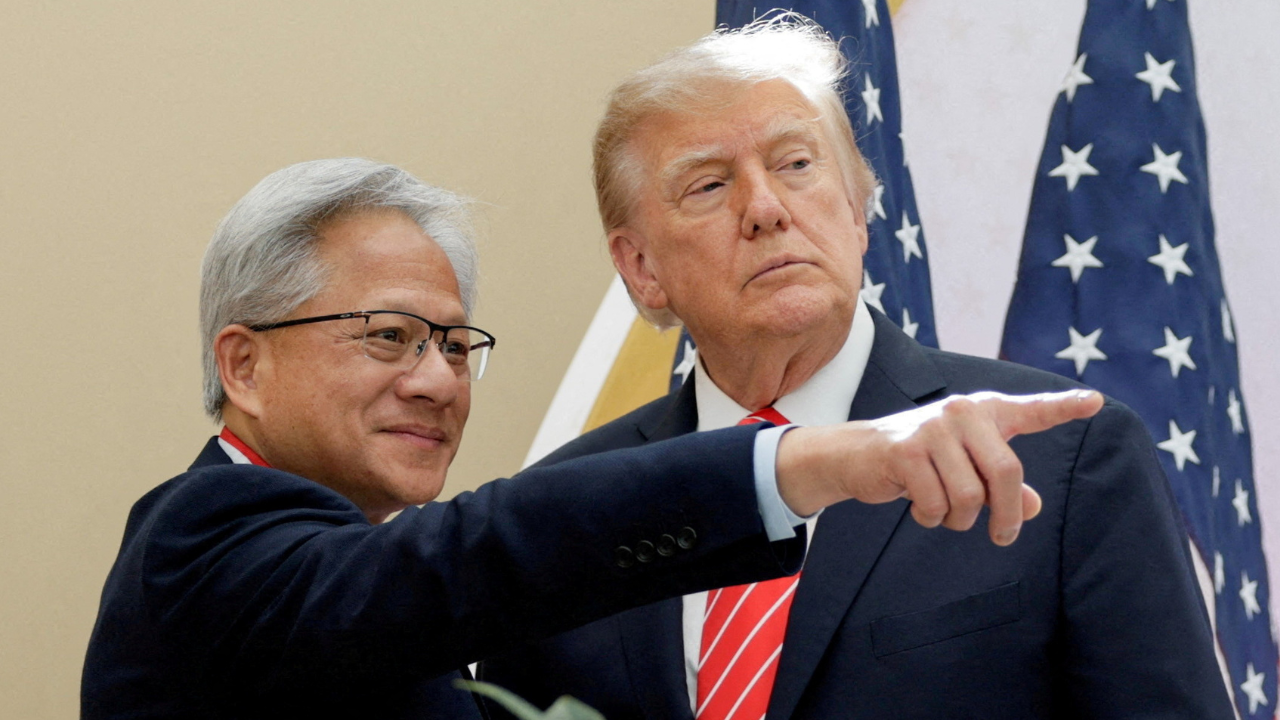
When geopolitical friction meets corporate ambition, the fallout rarely stays contained within boardroom walls. The tangled narrative surrounding former senior figures caught in cross-border espionage investigations has laid bare the vulnerabilities inherent in modern technology transfer. At the center of this storm sits a high-stakes drama involving accusations of economic espionage, classified information leakage, and political loyalties tested to their absolute limits. While headlines fixate on the dramatic declarations of support from high-profile political figures urging accused executives to hold their ground, the deeper structural reality reveals a systemic failure in vetting and safeguarding critical intellectual property.
The public defense offered by prominent leaders in the final hours of administrations often masks a more complicated truth. Espionage allegations involving foreign actors are rarely isolated incidents of individual greed or ideological betrayal. Instead, they represent the predictable friction points of a globalized economy built on shared research, open-source collaboration, and the aggressive pursuit of technological dominance. When investigators begin tracing the flow of proprietary blueprints or restricted source code across national borders, the institutional defensive mechanisms kick in immediately. Denials follow swiftly, accompanied by public campaigns framing the legal scrutiny as politically motivated overreach or xenophobic targeting.
Understanding how these crises materialize requires examining the mechanics of cross-border talent pipelines. For decades, Western research institutions and technology firms actively recruited brilliant minds from international pools, particularly from nations with rapidly advancing technical capabilities. This open-door policy fueled unprecedented innovation, but it also created an environment where surveillance apparatuses could easily embed operatives or cultivate informants within vital projects. The core vulnerability is not necessarily a lack of security protocols, but rather the friction between maintaining an open, collaborative scientific community and defending national security interests against determined foreign intelligence services.
The immediate fallout of such investigations typically triggers a severe chilling effect across the entire sector. Venture capitalists grow hesitant to fund international research partnerships, compliance budgets skyrocket, and talented researchers find themselves viewed with automatic suspicion based purely on their country of origin. This reactionary posture does little to solve the underlying security challenge. Building an effective defense against economic espionage demands sophisticated counter-intelligence measures embedded directly within corporate compliance frameworks, rather than broad political posturing or retroactive public relations campaigns designed to salvage reputations.
Publicly backed resistance by political allies rarely alters the trajectory of federal investigations once grand juries and counter-intelligence divisions become involved. The wheels of federal prosecution turn according to evidence, wiretaps, and financial paper trails, impervious to social media declarations or press conferences. When executives decide to fight charges rather than cooperate or negotiate settlements, they enter a brutal legal arena where the burden of proof rests heavily on the prosecution, yet the sheer resources of the state create a monumental imbalance.
As the dust settles on these high-profile investigations, the broader technological landscape undergoes a permanent shift. Organizations are quietly decoupling their research and development networks, separating domestic operations from foreign affiliates, and imposing strict cryptographic controls over data access. The era of frictionless international tech development is drawing to a close, replaced by a segmented reality where every line of code written and every patent filed is viewed through the lens of national security. The political theater surrounding the defense of accused individuals provides a temporary distraction, but the structural transformation of global technology markets continues unabated, driven by the cold calculus of geopolitical rivalry.