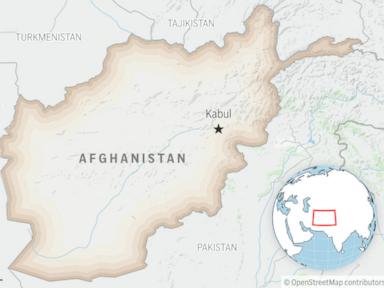
Security inside Afghanistan is shifting in ways that outsider reports often miss completely. When a high-ranking Taliban official gets taken out in a targeted hit, it changes the entire political calculation on the ground. People think absolute control equals absolute safety. It doesn't.
Targeted assassinations of senior administration figures are rare, but when they happen, they expose deep fractures within the ruling structure and highlight the persistence of armed internal opposition. If you want to understand modern Afghan politics, you have to look past the official press releases and study the friction points between regional commanders, ideological hardliners, and underground resistance cells.
The Reality of Fractured Power
Control over Kabul doesn't mean total dominance over every province. The central administration faces constant internal friction. Factional rivalries run deep. Ideological purity tests create bitter enemies within the ranks.
When a senior official dies in a targeted operation, it's rarely a random act. It usually points to a calculated internal purge or a coordinated strike by groups like the National Resistance Front or regional factions operating in the shadows.
- Power struggles are constant behind closed doors.
- Intelligence leaks often come from within trusted circles.
- Security bubbles are never as impenetrable as leaders pretend.
We see this pattern repeating across conflict zones. Absolute authority breeds internal resentment. When ambitious commanders get blocked from promotions or resources, loyalties shift fast.
Why Rare Strikes Matter So Much
High-profile hits disrupt governance. They force leaders into hiding and paralyze bureaucratic decision-making. Security protocols tighten overnight checkpoints multiply, and paranoia spreads through government ministries.
Security analysts tracking the region notice a distinct shift in tactics. Instead of large-scale conventional warfare, opposition groups favor precision. They use insider knowledge, urban mobility, and local grievances to strike where it hurts most.
"An organization can control the territory while losing control of the narrative and the safety of its top tier."
This vulnerability changes how foreign observers and neighboring countries calculate risk. It proves that the current administration faces persistent, lethal challenges to its monopoly on violence.
Looking Beyond the Headlines
Don't buy into the narrative that the country is completely pacified. Pockets of active resistance remain dangerous. Intelligence networks are messy, unpredictable, and constantly evolving.
Keep an eye on how the central government responds to internal security breaches. Increased crackdowns usually signal panic rather than strength. Watch for shifts in regional leadership appointments because those tell the real story of who is gaining or losing influence behind the scenes.
Pay attention to verified reporting from local journalists who risk their lives to document these power struggles. Ignore the polished propaganda and track the actual movement of troops, intelligence shifts, and sudden personnel changes inside the capital.


