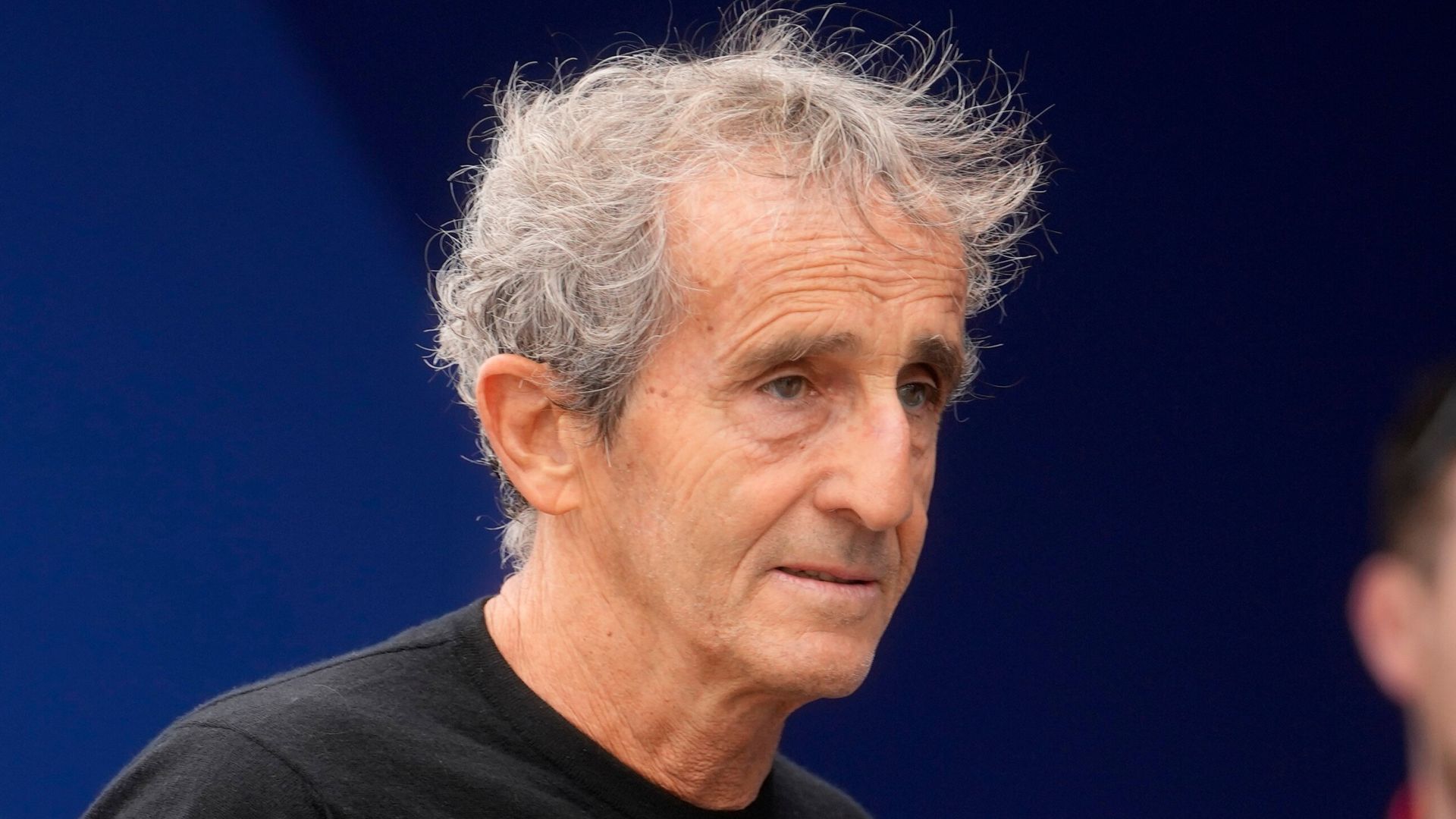
High-profile athletes live under a microscope. Formula 1 drivers, with their jet-setting lifestyles, multi-million dollar contracts, and massive social media followings, are prime targets. When news broke that an F1 legend was injured during a home invasion, the motorsport community reacted with shock. But honestly, it shouldn't surprise anyone.
This isn't an isolated incident. It’s part of a growing, dangerous trend targeting elite drivers. Read more on a connected issue: this related article.
We look at these sporting icons and assume their wealth buys impenetrable safety. It doesn't. Gated communities, state-of-the-art alarm systems, and private security teams constantly fail. The reality of modern asset protection is lagging far behind the sophisticated methods used by criminal syndicates. If a world-class athlete with unlimited resources can get ambushed in their own living room, your standard security playbook is officially dead.
The Flaws in Modern Athlete Security
Most people think security is about walls. They think it's about hiring a big guy to stand by the door. That's a massive misconception. Additional reporting by The Athletic explores related perspectives on the subject.
Traditional security models rely heavily on static defense. You build a higher fence. You install brighter lights. You buy a louder alarm. Criminals don't care about your fence. They watch, they track, and they exploit the one thing money can't fix: human routine.
Formula 1 drivers travel constantly. Their schedules are public knowledge. Anyone with an internet connection knows exactly when a driver is in Monaco, Silverstone, or Austin. More importantly, criminals know exactly when a multi-million-dollar mansion is sitting empty, or worse, guarded by a skeletal staff.
The security industry calls this predictability risk. When your life runs on a strict, global calendar, your security posture becomes incredibly fragile.
Another glaring issue is social media. Drivers love showing off their gear. High-end watches, rare hypercars, luxury apartments—it all goes on Instagram. You aren't just sharing a cool photo with fans. You're providing a catalog and a blueprint for targeted theft.
A History of Drivers in the Crosshairs
This isn't the first time F1 stars faced terrifying encounters. The list of drivers targeted by organized crime keeps growing, and the incidents are getting more violent.
- Lando Norris: The McLaren driver was mugged after the Euro 2020 final at Wembley Stadium. Thieves ambushed him as he entered his McLaren GT, snatching a unique Richard Mille watch worth over £140,000.
- Charles Leclerc: In 2022, Leclerc was swarmed by a group of "fans" asking for photos in Viareggio, Italy. It was a distraction tactic. A thief snatched his custom Richard Mille watch straight off his wrist before fleeing on a scooter.
- Pierre Gasly: Back in 2020, Gasly returned to his home in Normandy to find it completely ransacked. Thieves stole racing helmets, luxury watches, and personal jewelry.
- Jenson Button: In 2015, the former World Champion and his then-wife were robbed while sleeping in a rented villa in Saint-Tropez. Thieves reportedly used anaesthetic gas pumped through the air conditioning system before stealing valuables, including an engagement ring.
The pattern is obvious. Criminals aren't looking for random cars to break into. They are hunting specific, high-value assets. They know these drivers carry items that can be flipped quickly on the black market for hundreds of thousands of dollars.
Why Gated Communities Offer False Safety
Many affluent individuals move into gated developments believing they are safe. It’s a marketing illusion.
Gated communities create a false sense of complacency. Residents lower their guard. They leave back doors unlocked. They don't set their alarms.
Experienced criminal crews bypass a gate easily. They tailgate resident vehicles through the barrier. They bribe underpaid security guards. Sometimes they just walk through the perimeter fencing where cameras have blind spots. Once inside, the gate works in the criminal’s favor. It keeps the public out, giving intruders a quiet, private space to execute their plan without nosy neighbors interfering.
Physical security is only as strong as its weakest link. If your security guard is checking TikTok instead of monitoring the perimeter feeds, your expensive camera system is just a digital witness to your victimization.
Fixing the High Target Security Model
We need to completely rethink how high-net-worth individuals protect themselves. The old ways aren't working anymore.
First, stop relying entirely on technology. A camera records a crime; it rarely prevents it. Security must be active, adaptive, and intelligence-driven.
Implement Counter Surveillance
If you're a high-profile target, criminals are watching you before they strike. They note your arrival times, your staff shifts, and your weak points. Professional security teams must employ counter-surveillance measures. This means actively looking for the people who are looking at you. Spotting a scout vehicle two days before an attempted break-in saves lives.
Digital Blackouts During Travel
Stop posting in real-time. If you're on vacation or at a race track, your social media feed should look like you're still sitting on your couch at home. Post your photos a week later. Don't tag your exact location while you're still standing in the building. It sounds simple, but it's a rule that gets broken daily by celebrities and athletes alike.
Behavioral Redundancy
Break the pattern. Change the routes you drive to the airport. Vary the times you walk your dog. If your daily life is entirely predictable, you're making the job too easy for bad actors.
True safety requires friction. It means making yourself a difficult, annoying, and unpredictable target. Until the elite names in motorsport realize that wealth requires active operational security rather than just expensive hardware, these terrifying home invasions will keep happening.