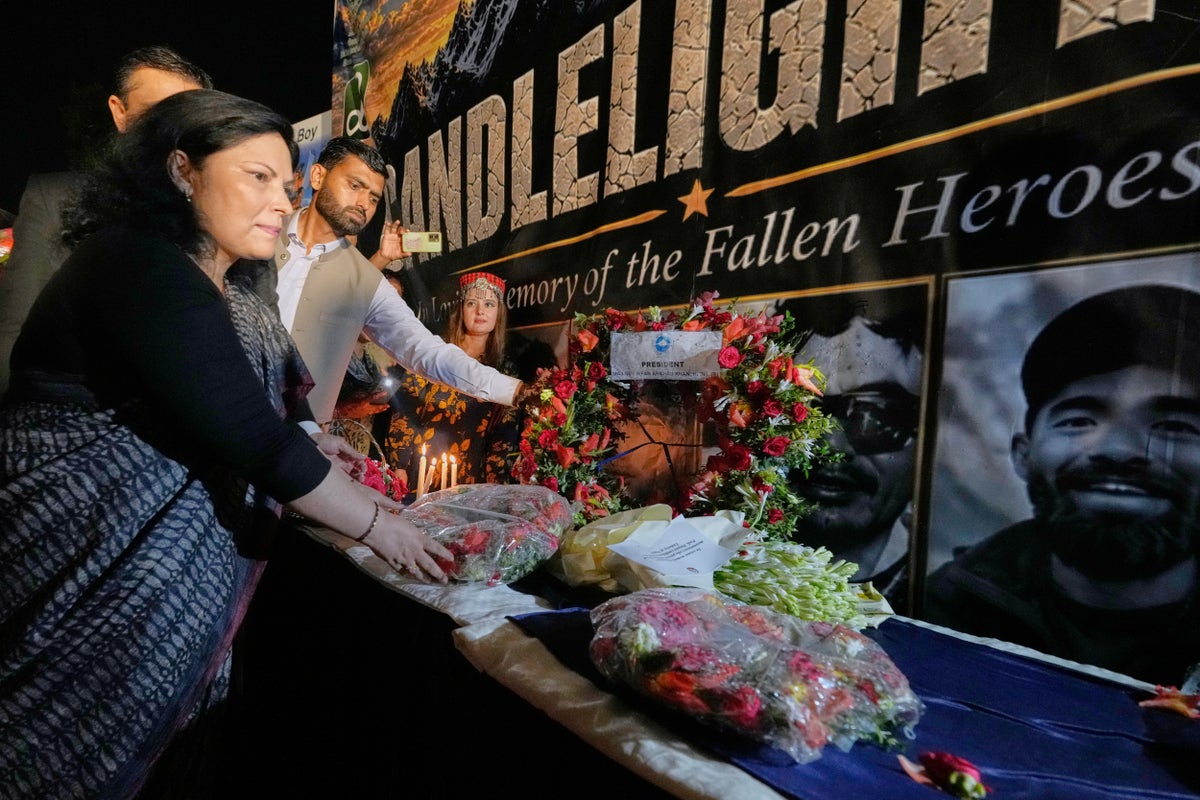
When Sarah Mallory Geis closed her Pilates studio in San Antonio to chase an eight-thousand-meter peak in Pakistan, she knew the risks. She just didn't expect the mountain to keep her for weeks. Local rescue volunteers on Broad Peak finally recovered the remains of the 39-year-old American climber, ending a grim weeks-long search following a massive avalanche.
High-altitude mountaineering is brutal. It strips away illusions of control. If you look at what happened on the slopes of the Karakoram range, you see a sobering reminder of how fast things go wrong when weather and gravity collide.
The Reality of Broad Peak
Broad Peak stands at 8,051 meters. It is the twelfth-highest mountain on earth, sitting right next to K2 in Pakistan's Gilgit-Baltistan region. While climbers often treat it as an accessible entry point to the world of death-zone peaks, the mountain plays by its own rules.
An international expedition led by renowned British-Nepali mountaineer Nirmal Purja was struck by a devastating avalanche at around 7,000 meters. Ten climbers vanished instantly. Communication snapped. Recovery operations turned into a nightmare of unpredictable weather, steep sixty-degree ice slopes, and constant secondary avalanche threats.
Why Recoveries Take Weeks
Most people assume rescue helicopters swoop in the moment a tragedy strikes. That is a fantasy, especially in Pakistan.
Unlike Nepal, which has a well-established private heli-rescue infrastructure directly touching high-altitude camps, Pakistan's northern ranges operate under severe logistical and political constraints. The terrain is fiercely remote. Military aviation handles critical missions, but high winds and blinding snow grounded search efforts for days.
Local volunteer porters and elite Sherpa teams had to do the heavy lifting on foot. They navigated treacherous terrain above 6,000 meters, risking their own lives to search through debris fields. When temperatures rise in late summer, the snow melts just enough to reveal what was buried, exposing boots and gear trapped deep in the ice. It is a grim, painstaking process.
The Human Cost Behind the Headlines
Geis left behind a life in Texas to take a giant leap of faith into the unknown. Her story resonates because she wasn't a professional sponsored athlete chasing world records. She was an ambitious amateur who traded comfort for a shot at the extraordinary.
Her family remembered her as a bright light. Yet her death, alongside nine other members of her expedition—including Omani climber Nadhira Ahmed Abdullah Al Harthy, Chinese climber Wang Zhong, Pakistani mountaineer Sohail Sakhi, and several Nepali climbers—highlights a recurring tragedy in modern high-altitude tourism: the commercialization of extreme peaks.
Moving Past the Romance of the Death Zone
Climbing culture sells a sanitized version of adventure. Social media feeds are full of summit videos and triumphant gear sponsorships, omitting the freezing reality of what happens when an ice wall collapses.
If you plan on stepping into the high mountains, you have to accept that rescue is never guaranteed. Logistics fail. Weather wins. Preparation matters, but luck matters more.
The recovery of Geis's body brings a measure of closure to her family in San Antonio, but the Karakoram will continue to claim respect from anyone arrogant enough to underestimate it.
Check your gear, study the local terrain constraints, and never assume the mountain will let you walk back down.


