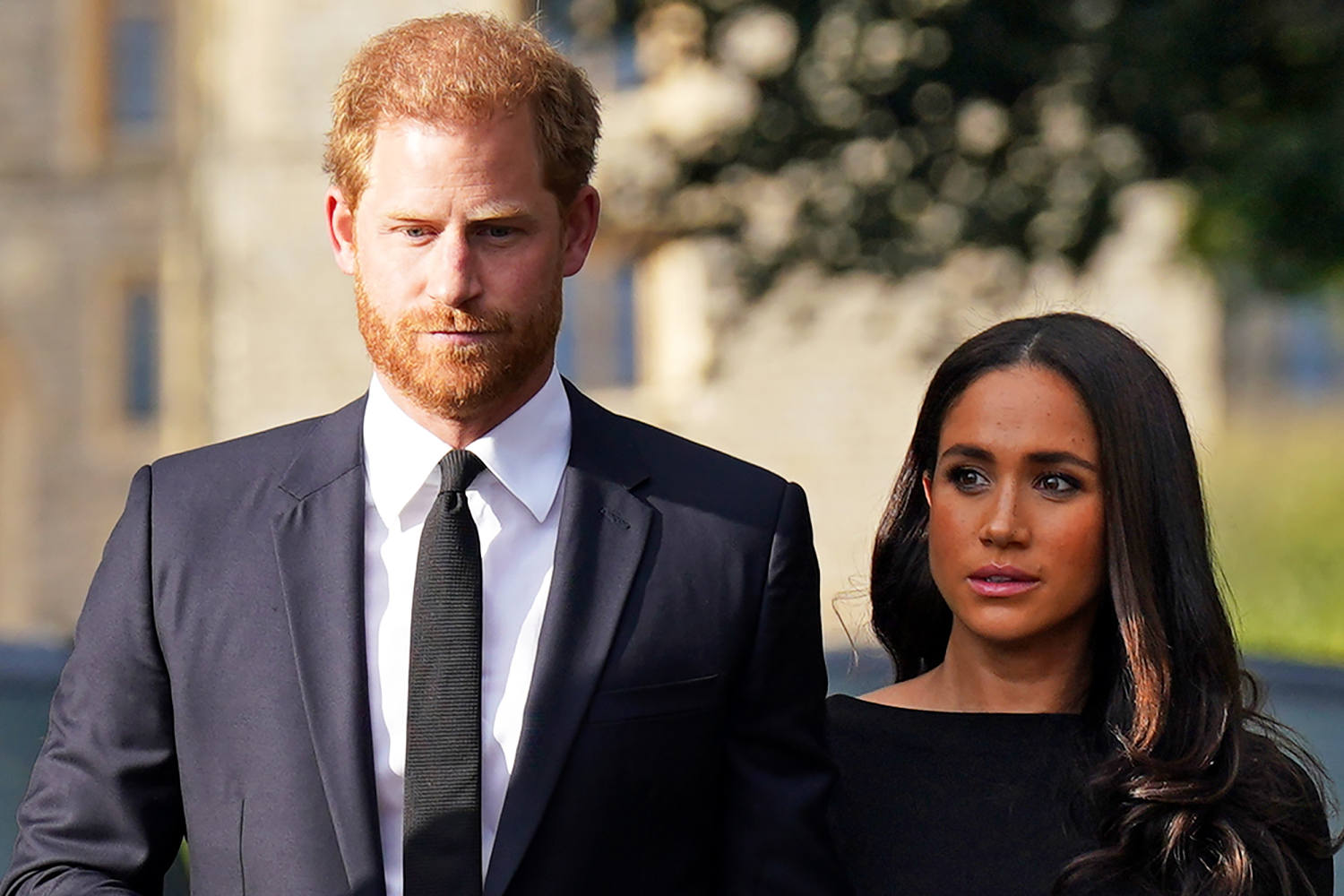
Prince Harry and Meghan Markle altering their children's educational arrangements due to persistent security vulnerabilities exposes the grim reality of shielding high-profile minors from relentless public exposure. When public figures of this magnitude shift schools, it rarely comes down to curriculum preferences or campus amenities. It is a calculated retreat forced by threat intelligence, leaked locations, and the exhausting machinery of modern paparazzi culture. For Archie and Lilibet, every classroom door represents a potential perimeter breach requiring a complex security architecture that ordinary educational institutions simply cannot accommodate without sacrificing the very normalcy parents strive to protect.
Decades of covering celebrity security infrastructure reveal a stark truth. Threat assessments for children of prominent dissidents, royals, or exiled public figures operate on a completely different plane than standard VIP protection. A school is inherently a public-facing institution designed for community interaction, open drop-off zones, and social integration. These architectural realities clash violently with the operational requirements of protective services. When threat levels spike or specific breaches occur, staying put becomes an unacceptable gamble.
The Anatomy of a High Profile School Transfer
Moving a child's school under duress requires a multi-layered logistical operation that spans intelligence gathering, route variance planning, and institutional vetting. Most private academies in affluent enclaves market themselves as secure havens. High fences, gated entries, and private security guards create a comforting illusion of safety for tuition-paying parents. Yet, real security professionals know that perimeter walls mean little if information leaks.
Photographers and opportunistic gossip hunters care little about school zones or child protection laws when a lucrative image is at stake. A single intercepted drop-off schedule can compromise an entire term. When Harry and Meghan faced mounting security pressures regarding their children's schooling environment, the decision to pivot was not made lightly. Educational continuity matters deeply to growing children, but physical safety remains the non-negotiable baseline.
Consider the operational hurdles involved. Security details must coordinate directly with administration staff, often requiring background checks on faculty and staff members who have direct access to the children. Safe rooms, alternative exit routes, and encrypted communication channels become standard operating procedure. When these measures fail to guarantee adequate insulation from persistent surveillance, relocation becomes the only viable option.
The Illusion of Sanctuary in Exclusive Enclaves
Montecito and similar elite Californian enclaves project an image of serene isolation. Expansive properties hidden behind dense foliage and automated gates suggest a fortress of solitude. However, geography does not neutralize determination. Long lenses, drone technology, and insider leaks from local service providers consistently puncture the protective bubble.
When educational institutions are integrated into these communities, they inherit the vulnerabilities of the surrounding area. A school cannot function effectively if it resembles a military installation. Parents want their children to experience playgrounds, birthday parties, and playdates without armed guards looming over the swings. Balancing normalcy with elite-level threat mitigation creates an impossible tension.
The Sussexes have consistently prioritized autonomy and personal safety over traditional institutional support. Stripped of the taxpayer-funded Metropolitan Police protection detail previously afforded to senior working royals in the United Kingdom, they operate within a private security framework financed entirely through their own commercial ventures. This financial reality shifts the burden of risk management entirely onto their shoulders. Every school choice carries a direct financial and operational overhead that most families cannot fathom.
The Emotional Toll on Growing Children
Public discourse frequently obsesses over the logistical and financial dimensions of high-profile relocations while ignoring the psychological impact on the children themselves. Children crave routine. They build social bonds through shared classrooms, playground games, and the predictable rhythm of the academic year. Disrupting that rhythm forces children to bear the invisible tax of their parents' fame.
Constant school changes create a sense of transient instability. Even when shielded by well-meaning parents and attentive security teams, young children absorb the tension of their environment. They notice the swept routes, the unfamiliar faces in the security detail, and the hushed conversations among adults about threat levels.
Navigating the Private Security Domain
Managing private security for minor children requires a delicate blend of discretion and vigilance. Unlike corporate security or executive protection details focused on adults who understand the risks, protecting children demands a posture that minimizes intrusion while maximizing readiness. Guards must blend into the background, operating as innocuous helpers or family assistants rather than tactical units bristling with earpieces.
Educational institutions often resist heavy-handed security interventions. Headmasters and boards of trustees pride themselves on fostering egalitarian environments where every student feels equal. Introducing armed protection or intrusive vetting processes disrupts the institutional culture. This friction often precipitates a crisis, forcing families to choose between a school that refuses to compromise its open culture and the immediate safety needs of high-target minors.
When whispers of security breaches at a child's school reach the media, the narrative is frequently distorted into a tale of elitism or paranoia. Observers detached from the realities of modern threat environments mock the security concerns of wealthy public figures. This cynicism ignores the documented history of security lapses, stalking incidents, and targeted threats directed at high-profile individuals and their dependents.
The Cost of Perpetual Vigilance
The underlying driver behind these educational shifts points to a broader societal failure. Privacy has become an unattainable luxury for anyone caught in the crosshairs of global media obsession. Until public appetite for intrusive surveillance and real-time location tracking of minors changes, families like the Sussexes will remain trapped in a perpetual cycle of relocation and threat management.
Archie and Lilibet deserve an education unmarred by the glare of long lenses and security threat matrices. Yet, achieving that basic right requires extraordinary measures, constant vigilance, and the willingness to uproot their lives whenever the perimeter is compromised. The story is not merely about a change of schools. It is an indictment of a culture that treats the children of public figures as fair game.