The crinkle of a foil bag is a deeply comforting sound. It promises salt, crunch, and a momentary escape from the day. You do not think about industrial supply chains when you rip open a bag of kettle chips at a backyard barbecue. You do not consider the global journey of a single dust mote of seasoning.
But behind that satisfying crunch lies a complex web of trust. We trust the grocery stores. We trust the historic brands. Above all, we trust that what we put into our bodies won't send us to the emergency room.
When that trust fractures, it happens silently. It begins not with a wave of sickness, but with an official, clinical decree typed out in a government office.
The Anatomy of an Invisible Threat
The Food and Drug Administration recently escalated a voluntary recall of over 600,000 potato chip bags manufactured by Utz Quality Foods. The agency did not merely flag the items; they upgraded the situation to a Class I recall.
That is the highest, most urgent risk level the government can assign.
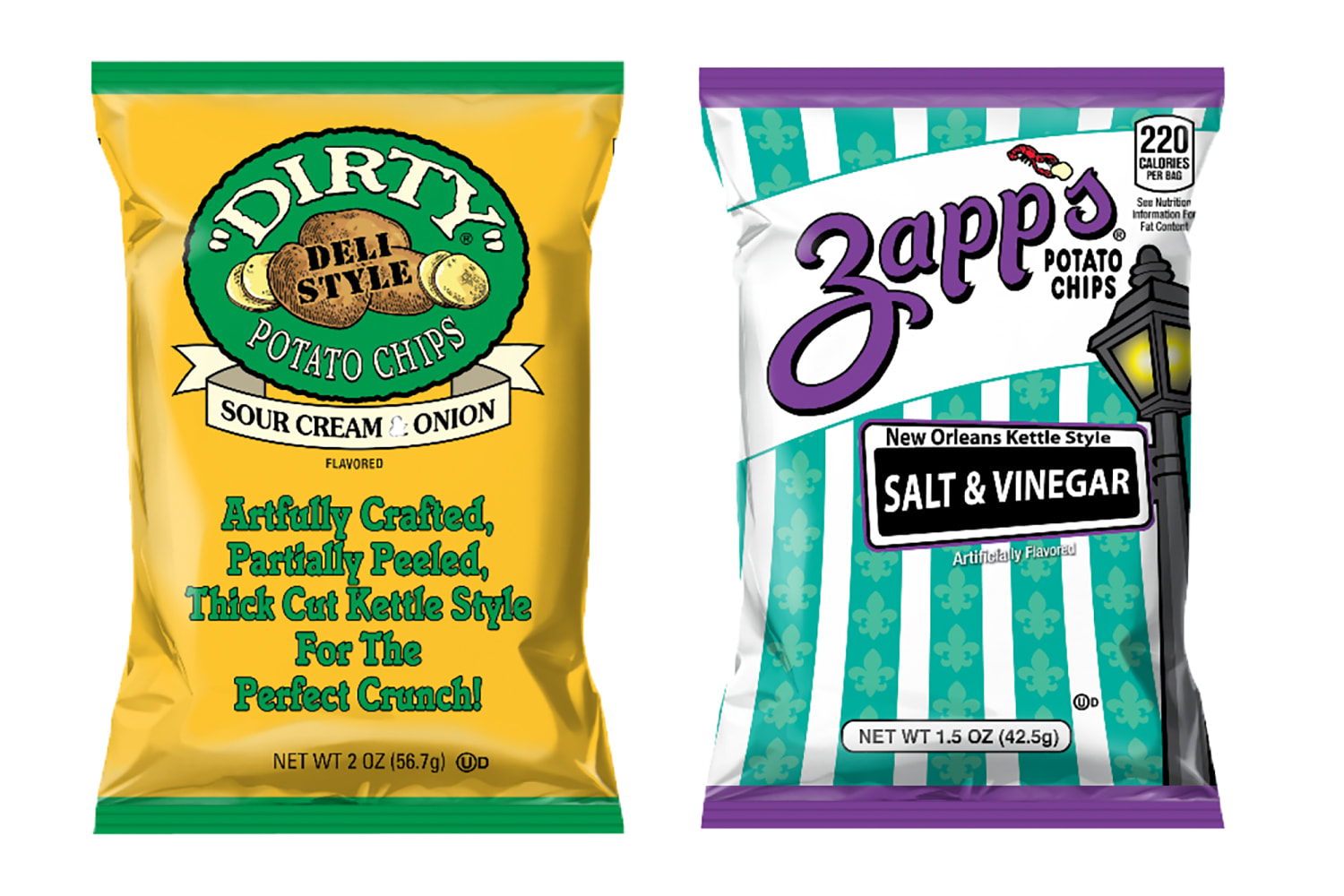
A Class I designation means the FDA believes there is a reasonable probability that eating these chips will cause serious adverse health consequences or, in the worst-case scenarios, death. The target of this warning? Beloved, flavor-heavy cult favorites: Zapp's and Dirty brand potato chips.
The culprit is not the potato, nor is it the frying oil. It is something far more elusive.
Consider how a chip is made. To get the explosive tang of a Zapp's Bayou Blackened Ranch or the sweet, sharp bite of a Dirty Maui Onion chip, the fried potatoes must be dusted in a complex powder of spices and dairy. That powder relies on an incredibly common, seemingly innocent staple: dry milk powder.
The supply chain is a falling row of dominoes. Utz sourced a seasoning blend from a third-party supplier. That supplier, in turn, bought dry milk powder from California Dairies, Inc. Somewhere along that line, a ghost slipped into the machine.
Its name is Salmonella.
The Ghost in the Powder
To understand the panic in the executive suites, you have to understand how Salmonella operates. It is an opportunistic pathogen. For a healthy adult, it means a miserable few days of fever, severe abdominal cramps, nausea, and aggressive diarrhea. It is an agonizing experience, but one you survive.
But for a toddler sharing a snack with their parents, or a grandparent sneaking a handful of chips at a family gathering, the stakes are entirely different.
When Salmonella hits an undeveloped or weakened immune system, it can break through the intestinal walls and flood the bloodstream. Once there, the bacteria travels to the joints, the heart valves, or the lining of major blood vessels. It can cause arterial infections, endocarditis, and chronic, life-altering arthritis.
The terrifying reality of modern food manufacturing is that a single batch of contaminated powder can spread across dozens of brands and hundreds of thousands of households before a single symptom manifests.
Imagine a hypothetical consumer named Sarah. She lives in one of the 35 states where these chips were distributed. She buys a bag of Zapp's Big Cheezy to go with her lunch. The chips taste perfect. The seasoning batch actually tested negative for the bacteria before it was used.
But testing is a game of probability. You cannot test every single grain of powder without destroying the product. A microscopic pocket of contamination can easily bypass initial quality control.
By the time the supplier realized the milk powder was compromised, the bags were already packed, shipped, and stacked neatly on grocery shelves from New York to Texas.
The Cost of Caution
Utz acted swiftly. They initiated a voluntary recall early on, pulling the products before a single illness was reported. To this day, the official tally of confirmed consumer infections stands at zero.
Yet, the FDA’s decision to upgrade this to a Class I threat weeks later reveals the deep anxiety underlying the modern food grid. The sheer scale is staggering. We are talking about 300,595 bags of Dirty Salt and Vinegar. Over 179,000 bags of Zapp’s Bayou Blackened Ranch. Thousands of bags of Dirty Sour Cream and Onion and Zapp's Big Cheezy.
All of them carry "Best By" dates ranging from July 27 through August 31, 2026.
The financial loss to the company is immense, but the reputational hazard is far more difficult to calculate. When you buy a premium, kettle-cooked chip, you are paying for an experience. You are paying for the "Dirty" philosophy of premium ingredients, or the vibrant, New Orleans culture baked into every bag of Zapp's.
Discovering that your favorite comfort food is sitting in an FDA database classified under the same risk tier as lethal medical device failures is a jarring psychological shift.
The system is designed to protect us, but the mechanics of that protection require pulling back the curtain on a deeply unsettling truth: our safety depends on the absolute perfection of people we will never meet, handling ingredients we will never see, in facilities thousands of miles away.
Reading the Labels
If you have a pantry stocked with snacks for the summer, the abstract reality of food safety suddenly becomes very practical. You find yourself standing in the kitchen, flipping over a crinkly bag, squinting at the small, inkjet-printed batch codes near the top seam.
The human element of a massive corporate recall always distills down to this quiet moment of vulnerability.
The FDA and Utz have been explicit in their instructions. Do not gamble. Do not assume your bag is fine because the chips look crisp or smell delicious. Salmonella gives no sensory warnings. It does not alter the taste, the color, or the texture of the food it hitches a ride on.
If you own any of the affected varieties of Zapp's or Dirty chips with a August 2026 expiration date, the directive is simple: throw them in the trash or contact Utz Customer Care for a full refund.
The industrial food system is a marvel of human ingenuity, capable of delivering specific, regional flavors to millions of people at the push of a button. But it is also fragile, bound by the microscopic realities of biology.
The next time you walk down the snack aisle, the bright, colorful rows of bags might look just a little bit different. You will see the flavors, yes, but you will also see the invisible line of trust that keeps us safe, a line that requires constant, unyielding vigilance to maintain.
The bag sits on the counter, unopened, a tiny monument to the intricate, hidden systems that govern our everyday lives.