Paper tears. Corners fray. Humidity warps ink in ways a spreadsheet never captures.
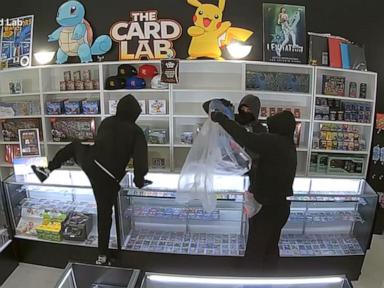
Yet over the last decade, small rectangles of glossy cardstock printed for schoolyard battles and afternoon trade sessions have turned into vault-grade assets worth six, seven, and occasionally eight figures. When thieves break into a shop or storage space and walk out with a million dollars in rare Pokémon cards, outsiders often react with a mix of disbelief and dark amusement. Cardboard. Seriously? Someone risked prison over cartoon monsters on coated stock? If you liked this article, you should look at: this related article.
Anyone who has stood inside a brightly lit hobby shop on a Friday evening knows the laugh dies fast. You smell ozone from fluorescent tubes, fresh sleeve plastic, and damp sneakers. You hear the crisp shhhk of a card sliding into a rigid top-loader and the low murmur of teenagers arguing over whether a vintage holofoil has a faint scratch under a jewelers loupe. To a casual observer, it looks like play. To the people behind the counter, every display case holds years of late-night hunting, fragile trust, and life savings tied up in items that can fit inside a backpack.
I have spent years watching high-end collectibles move from shoeboxes to safety deposit boxes, and I will admit something upfront: the math still makes my stomach turn sometimes. A piece of paper with a high numerical grade from an authentication company can command more money than a suburban house, while an identical-looking card with a microscopic edge nick sells for a fraction of that price. If that feels strange—even a little unsettling—you are not alone. Confusing is putting it mildly. When value depends so heavily on condition, scarcity, and sentiment all at once, theft stops being a simple property crime and becomes a quiet shockwave through a tightly knit community. For another look on this event, refer to the recent coverage from Reuters Business.
When Childhood Nostalgia Becomes High-Stakes Loot
To understand why a seven-figure Pokémon card heist hits so hard, look at how collectibles behave when culture and finance collide. For decades, trading cards followed a predictable rhythm. Kids traded them at recess, parents threw out binders during moves, and a handful of die-hard collectors chased old sets for fun. Prices existed, sure, but most cards lived in the realm of pocket money.
Then came wave after wave of nostalgia, streaming archives, pandemic-era stay-at-home hours, and high-profile public auctions where vintage cards crossed into headline territory. Suddenly, a first-edition holofoil or a scarce tournament prize was no longer just a memory from 1999. It was collateral. It was retirement padding. It was inventory that could be carried out in a duffel bag in under two minutes.
Consider what happens next: burglars do not need to crack a bank vault when glass display cases and rear doors at independent shops or private collections offer far softer targets. Thieves who hit these spaces rarely care about lore, artwork, or set history. They care about liquidity and anonymity. A stack of graded slabs or sealed vintage booster boxes can be photographed, listed online, or moved quietly through cash meetups without serial numbers like a luxury watch or a classic car—even when collectors track specific certification numbers obsessively.
To see the human weight behind the headline numbers, picture a hypothetical shop owner I will call Marcus—a composite drawn from dozens of independent hobby retailers I have spoken with over the years. Marcus spent twelve years building a neighborhood shop from a cramped storefront into a gathering spot where kids learned basic math counting change and older collectors traded stories about pulling their first Charizard. A million dollars in stolen inventory in a heist like this does not just wipe out a balance sheet. It can wipe out years of reinvested profit, strain supplier credit lines, and leave a business owner staring at empty shelves wondering how to make payroll next month.
That is the part a fifteen-second clip or a dry crime blotter misses. A headline gives you the dollar figure and the shock value. It rarely shows the owner sitting on an overturned milk crate at midnight, staring at shattered glass and realizing the hardest part is not replacing the merchandise—it is carrying the weight of having let down people who trusted you with their prized pieces.
Why Thieves Target What Others Dismiss
Why do criminals keep going after trading cards despite the obvious hassle of selling specialized goods? Think of a rare card like an uncut diamond inside a glass box: small, portable, easy to conceal, and fiercely desired by a very specific buyer pool. A thief does not need the whole world to want a scarce card. They only need one buyer willing to ask no questions.
There is a deeper twist, too. Value in this market is notoriously slippery. Two cards from the same print run can sit inches apart on a shelf and carry wildly different price tags based on centering, surface gloss, corner sharpness, and third-party grading labels. If a heist nets a million dollars in rare cards, that figure usually reflects estimated market value or replacement cost rather than cash sitting in a drawer. Yet for the victim, the loss is brutally real. Replacing a one-of-a-kind or low-population card is not like reordering fifty boxes of printer paper. Even if insurance covers part of the loss, policies for collectibles often come with strict sub-limits, storage requirements, or appraisal hurdles that catch owners off guard only after a break-in occurs.
How Do People Even Fence Stolen Rare Cards?
People often ask how stolen cards actually turn into money without getting caught. In reality, thieves use a mix of speed, disguise, and social-media marketplaces. Stolen slabs sometimes appear online within hours under newly created accounts, cropped photos, or altered angles meant to hide distinct scratches on the plastic case. Other times, criminals target local buyers in parking lots for quick cash before word spreads across collector forums.
Here is where the community itself becomes both vulnerable and surprisingly effective. Collectors are obsessive detail-watchers. When a major theft happens, photos of missing cards circulate fast across group chats, shops, and auction watchlists. If a thief tries to move unmistakable high-end pieces openly, someone usually notices a familiar scuff mark or a known certification number. The catch is that mid-tier and ungraded cards are much harder to trace, and once a collection is broken up piece by piece, recovering everything becomes an uphill battle.
Could a Million-Dollar Heist Happen to an Everyday Collector?
Another fair question is whether these stories only belong to big stores and wealthy investors. Not at all. While major headlines naturally gravitate toward eye-popping totals like a million dollars, smaller break-ins hit everyday collectors regularly—sometimes cleaning out a closet binder worth a few thousand dollars that meant the world to the owner.
Even if you never plan to buy a five-figure card, the lesson scales down easily. Anything small, valuable, and widely recognized carries theft risk once people know you have it. Bragging online with exact location clues, leaving high-value items in a car overnight, or storing expensive collectibles in a flimsy closet all lower the bar for an opportunistic thief.
The Quiet Toll of Broken Trust
Money can be tallied on a calculator. Trust cannot.
In trading card spaces, trust is the invisible mortar holding every transaction together. A shop owner holds a customer's consignment cards on good faith. A collector buys a card sight-unseen across the country based on photos and reputation. When a major heist rips through that ecosystem, paranoia creeps in around the edges. Buyers hesitate. Sellers double-check every detail. Everyone wonders whether the shiny slab across the table came from an honest pull or someone else's nightmare.
Metaphorically speaking, a collection is a time capsule held together by fragile glue—memory, patience, and care. Heat, moisture, careless handling, or a crowbar at three in the morning can ruin in seconds what took twenty years to gather. Unlike stocks sitting safely inside a regulated brokerage ledger, physical collectibles live in the real world, subject to gravity, weather, and human greed.
I still remember talking to a collector who lost a childhood binder years ago—nowhere near a million dollars in value, yet irreplaceable to him. He didn't talk about the market index or potential resale price. He talked about the handwriting on a piece of notebook paper tucked behind a card, a note from a friend who had since moved away. When thieves take items like that, they don't just steal property. They sever threads that cannot be stitched back together.
Protecting What Matters Without Losing the Joy
So what actually protects people who love collecting—whether they run a storefront or keep a single binder on a bookshelf? Start with plain, unglamorous habits rather than movie-style security fantasies.
- Keep quiet about exact holdings and locations. Sharing pulls online is part of the fun, but broadcasting addresses, routines, or exact vault contents invites unwanted attention.
- Document everything clearly. Clear photos of fronts, backs, serial numbers, and receipts make police reports and insurance claims far stronger if the worst happens.
- Upgrade physical storage before chasing the next grail. A heavy, bolted safe, proper humidity control, and solid door hardware do more to protect a collection than another expensive card ever will.
- Check insurance fine print early. Ask directly how collectibles are covered—whether there is a cap on trading cards, what proof of value is required, and whether off-site storage changes terms.
Security should never turn a hobby into a prison sentence of constant fear. The point of collecting is joy, connection, and the thrill of holding a piece of shared history in your hands. A little foresight simply keeps that joy intact when trouble comes knocking.
Outside a damaged shopfront at dawn, wind sweeps crushed glass across the pavement while a lone holofoil—missed in the dark, scuffed at the corner, still catching the morning light—glints beside a broken lock.

