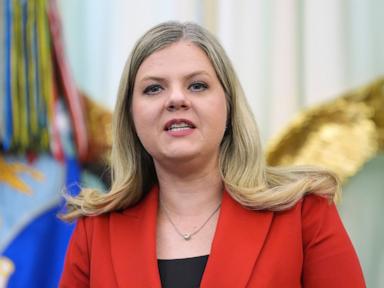
When Dr. Heidi Overton stepped before the Senate Health, Education, Labor, and Pensions Committee for her confirmation hearing to lead the Food and Drug Administration, the stakes couldn't have been higher. Nominated by President Trump to head an agency with a roughly 16,000-person workforce, Overton faced intense questioning from both sides of the aisle. If confirmed, she would take the reins at a time when public trust in federal health agencies is battered, and the tension between political directives and empirical science is reaching a boiling point.
Let's look past the political theater. What did the hearing actually reveal about how the FDA will operate under her potential leadership? If you found value in this piece, you should check out: this related article.
Navigating the Vaccine Debate Under Political Pressure
The sharpest exchanges during the hearing centered on vaccines. Lawmakers pressed Overton on how she would balance the White House's skepticism with established public health consensus. Earlier, when standing beside President Trump in the Oval Office, the administration made controversial statements suggesting the measles, mumps, and rubella (MMR) vaccine could be dangerous.
During her testimony, Overton walked a narrow line. When explicitly asked if the MMR vaccine is safe, she stated clearly that current vaccines on the market meet FDA standards and are safe and effective. However, when pushed by senators asking if she believed the president was wrong for calling the vaccine "lethal," she declined to directly contradict him. For another angle on this story, see the latest coverage from TIME.
This dynamic highlights the core tension of her nomination. Observers and public health advocates are left wondering how an FDA commissioner can champion scientific independence while serving an administration that frequently questions established medical guidelines. Overton maintained that her commitment would be to follow statutory standards for safety and efficacy, but critics argue that public health stewardship requires absolute clarity when misinformation circulates.
The Battle Over Flavor Regulations and Industry Influence
Beyond vaccines, the hearing laid bare ongoing battles regarding tobacco products and flavored vapes. Her predecessor's tenure was heavily disrupted by controversy surrounding tobacco policy decisions, shifting priorities, and outside political interference.
Senators questioned Overton about political donations and whether they influenced regulatory choices on flavored nicotine products. While Overton pushed back against suggestions of quid pro quo, the questions underscored a deeper anxiety about corporate influence inside the regulatory apparatus. The FDA faces a brutal balancing act: weighing the potential for adult smoking cessation against the soaring rates of youth nicotine addiction. Overton pointed out that certain flavored products have undergone scientific review as quitting aids, but her exact regulatory threshold for future approvals remains opaque.
Erosion of Advisory Committees and Scientific Input
Another critical issue raised during the proceedings involved the hollowing out of the FDA’s outside advisory committees. Historically, independent panels of clinicians, researchers, and patient advocates provided an essential layer of peer review before the agency made high-stakes decisions on drugs, devices, and food safety.
Recent structural shifts have reduced reliance on these public hearings. While pharmaceutical sponsors often appreciate faster, more predictable review timelines, a thinner advisory bench removes a crucial firewall against political or commercial capture. When public trust is already threadbare, cutting out independent eyes can turn routine drug approvals into public relations crises. Overton inherits an agency where rebuilding that external scientific credibility is arguably her most urgent management task.
Food Safety and Global Inspections
While high-profile drugs and vaccines dominated the headlines, the hearing also touched on the fundamentals of American nutrition and food security. Lawmakers raised alarms over foreign food facility inspections, noting that oversight numbers have lagged significantly behind pre-pandemic benchmarks.
With chronic illness and childhood obesity dominating domestic health conversations—noting that a staggering percentage of young Americans struggle to meet basic military fitness eligibility standards due to health metrics—the FDA's food safety mandate is more critical than ever. Overton expressed support for modernizing nutritional standards and ensuring supply chain transparency, yet translating those talking points into funded, aggressive foreign and domestic inspections will require serious administrative muscle.
Ultimately, Dr. Heidi Overton's confirmation hearing exposed an agency standing at a crossroads. Whether she can successfully insulate the FDA's career scientists from political crosswinds while meeting the administration's deregulatory goals will define her legacy. If confirmed, her tenure will test whether rigorous statutory science can coexist with intense political pressure in the nation's highest health office.
Dr. Overton Confirmation Hearing FDA - Rev
This video provides full context from the Senate confirmation hearing where Dr. Overton answered questions regarding regulatory standards and public health.