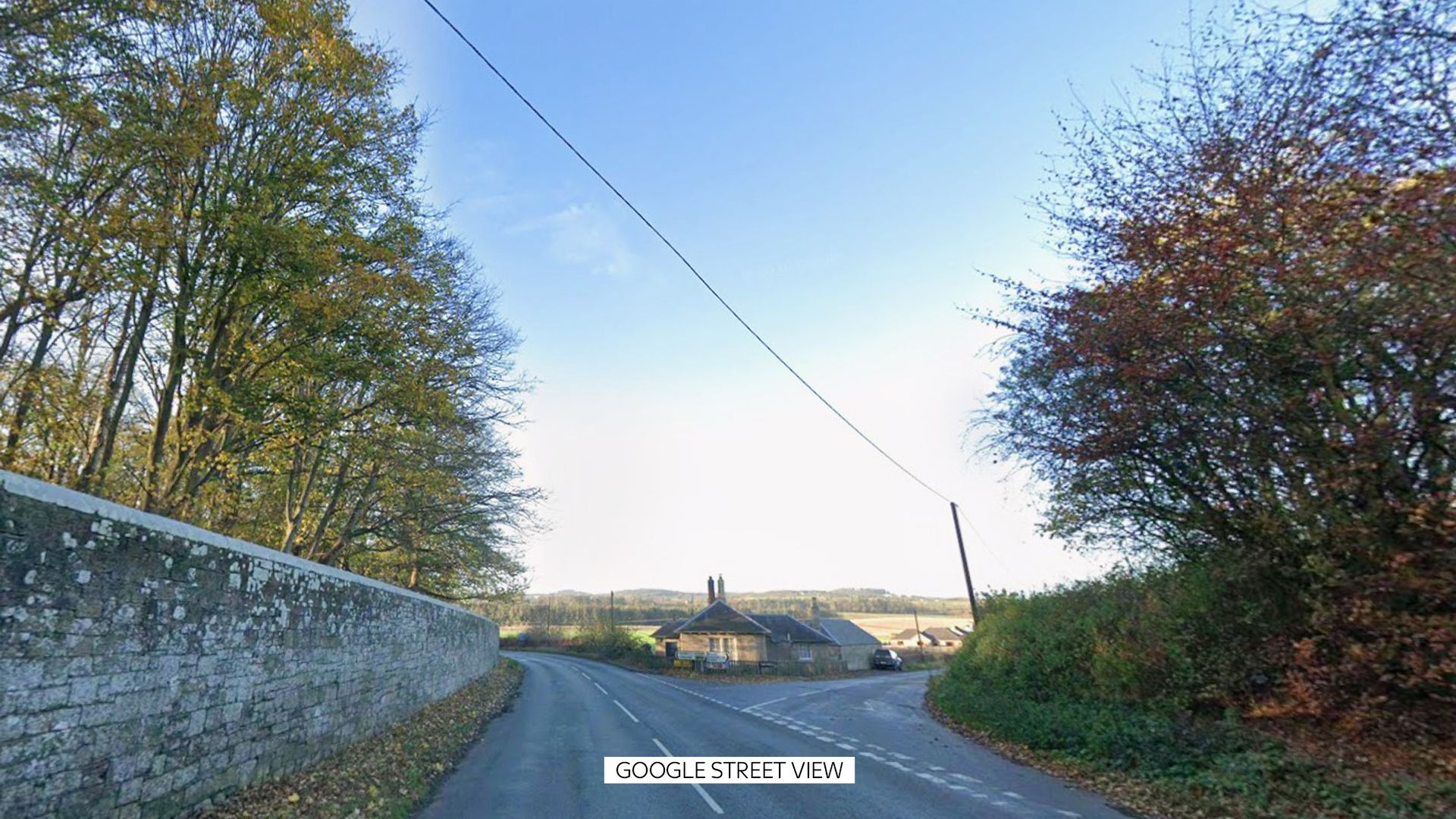
Head-on collisions are the most violent events on our roads. When two vehicles traveling at highway speeds meet, the laws of physics take over with a brutality that modern safety ratings can't always overcome. Recently, a two-car crash claimed the lives of both drivers, leaving families shattered and investigators searching for answers. It's a nightmare scenario that happens more often than we'd like to admit.
Statistics from the National Highway Traffic Safety Administration (NHTSA) show that while head-on impacts account for only about 2% of all accidents, they represent over 10% of driving fatalities. That's a staggering disparity. It means when cars hit front-to-front, the margin for survival drops off a cliff.
People want to know how this happens. They want to know if it was a mechanical failure, a medical emergency, or just a split second of distracted driving. In many of these double-fatality cases, there are no witnesses left to tell the story. The cars are often reduced to unrecognizable heaps of steel, and the data recorders—the "black boxes" of the automotive world—become the only voices left.
Why Head On Collisions Are So Deadly
Physics doesn't care about your car's five-star safety rating when the closing speed is 120 mph. If two cars are both doing 60 mph and hit each other directly, the force is immense. It's not exactly like hitting a brick wall at 120 mph—that’s a common misconception—but the rapid deceleration is what kills. Your body stops. Your internal organs keep moving.
Modern crumple zones are designed to absorb energy. They do a great job in offset strikes or lower-speed impacts. But in a high-speed, full-width head-on crash, the passenger compartment often loses its integrity. The engine gets pushed into the cabin. The steering column moves. Even with airbags deploying in milliseconds, the human frame has limits.
We see a lot of these accidents on undivided two-lane highways. These are the "death strips" of rural infrastructure. There's no median. No guardrail. Just a yellow line painted on the asphalt that offers zero physical protection. One sneeze, one dropped phone, or one tired driver drifting over that line is all it takes.
The Factors No One Wants to Talk About
Investigating a crash where both drivers died is a grim process. Law enforcement has to piece together a puzzle where the most important pieces are missing. Usually, the investigation focuses on three main areas: human error, environmental factors, and vehicle condition.
Alcohol remains a massive factor. According to data from the Insurance Institute for Highway Safety (IIHS), impaired driving is a recurring theme in wrong-way and center-line crossover crashes. But it’s not just about being drunk. Fatigue is arguably just as dangerous. A driver who nods off for two seconds at 60 mph will travel nearly 180 feet. On a two-lane road, that’s more than enough distance to cross into oncoming traffic without ever hitting the brakes.
Distraction is the New Epidemic
We talk about texting and driving constantly, yet everyone still does it. I see it every day. People looking at their laps while moving at lethal speeds. In a two-car crash where neither driver survived, investigators look for "non-braking" signatures. If there are no skid marks before the point of impact, it's a huge red flag that someone wasn't looking at the road. They didn't even see the end coming.
The Role of Infrastructure
Let's be honest about our roads. Many of the stretches where these fatal crashes occur are outdated. Rumble strips—those grooves in the pavement that vibrate your car when you drift—save lives. They’re cheap to install, but they aren't everywhere. Why? Funding. Politics. Bureaucracy. We know how to make roads safer, but we don't always do it. When you have a road with high speed limits and no physical barrier between lanes, you're essentially trusting thousands of strangers to be perfect every single second.
What Happens During the Investigation
When a "Both drivers killed" headline hits the news, the reconstruction team moves in. They use 3D laser scanners to map the debris field. They check the Electronic Control Modules (ECMs). These modules record speed, throttle position, and brake application in the seconds leading up to a crash.
They also look at the tires. Was there a blowout? They check the light bulbs. Did the driver have their headlights on? Interestingly, forensic analysts can examine the filaments in light bulbs to see if they were glowing at the moment of impact. This is called "hot tailing." It tells them if the driver was trying to use their signals or if their lights were even functional.
Toxicology reports take weeks. This is the hardest part for the families. They’re stuck in a limbo of grief, waiting to find out if their loved one was at fault or simply a victim of someone else’s mistake. Sometimes, the results are inconclusive. Sometimes, we never truly know why that car crossed the line.
Survivability and the False Sense of Security
You might think your massive SUV makes you invincible. It doesn't. While a heavier vehicle generally fares better in a collision with a lighter one, the high center of gravity in SUVs and trucks introduces the risk of a rollover after the initial impact. In a two-car crash, the "winner" is often just the person in the heavier vehicle, but in head-on scenarios, "winning" often just means ending up in the ICU instead of the morgue.
The technology is getting better. Lane Departure Warning and Automatic Emergency Braking (AEB) are huge. But these systems can fail. Heavy rain, snow, or even a dirty sensor can disable them. You can't delegate your survival to a computer chip.
Moving Forward After the Unthinkable
If you live in an area with a lot of two-lane transit, you have to change how you drive. Stop hugging the center line. It’s a habit people pick up to see around the car in front of them, but it leaves you zero room for error if someone drifts toward you. Drive in the "right third" of your lane.
Give yourself an out. Always look for where you can go if a car suddenly appears in your lane. Is there a shoulder? A ditch? A ditch is better than a radiator.
If you're tired, pull over. Not in five miles. Now. The "Both drivers killed" story is a tragedy that is almost always preventable. It’s a result of a series of small, bad decisions that culminate in a single, catastrophic moment. Check your tires, put the phone in the glove box, and stay alert. Your life, and the life of the person coming toward you, depends on it.
Ensure your vehicle’s safety systems are functional and never ignore a lane-departure warning. If you’re driving on undivided roads, keep your high beams on at night whenever possible to spot drifting vehicles earlier. Awareness is the only thing faster than physics.