You expect an estate cleanout to turn up dusty photo albums, expired coupons, and maybe some forgotten silverware. You don't expect a forensic crime scene tucked beneath frozen vegetables.
Yet that exact nightmare plays out across the globe more often than most people realize. When a newborn baby is found hidden in the freezer of a deceased woman's home, investigators face one of the trickiest puzzles in modern forensics. Police immediately suspect the child could have been placed there decades ago, turning a quiet residential street into an active death investigation spanning generations.
Tabloid headlines love the shock value of these discoveries. They splash words like "DECADES" in all caps and move on to the next sensational story within forty-eight hours. They rarely explain how detectives actually solve a cold case when the primary suspect is already dead and the victim has been frozen in time.
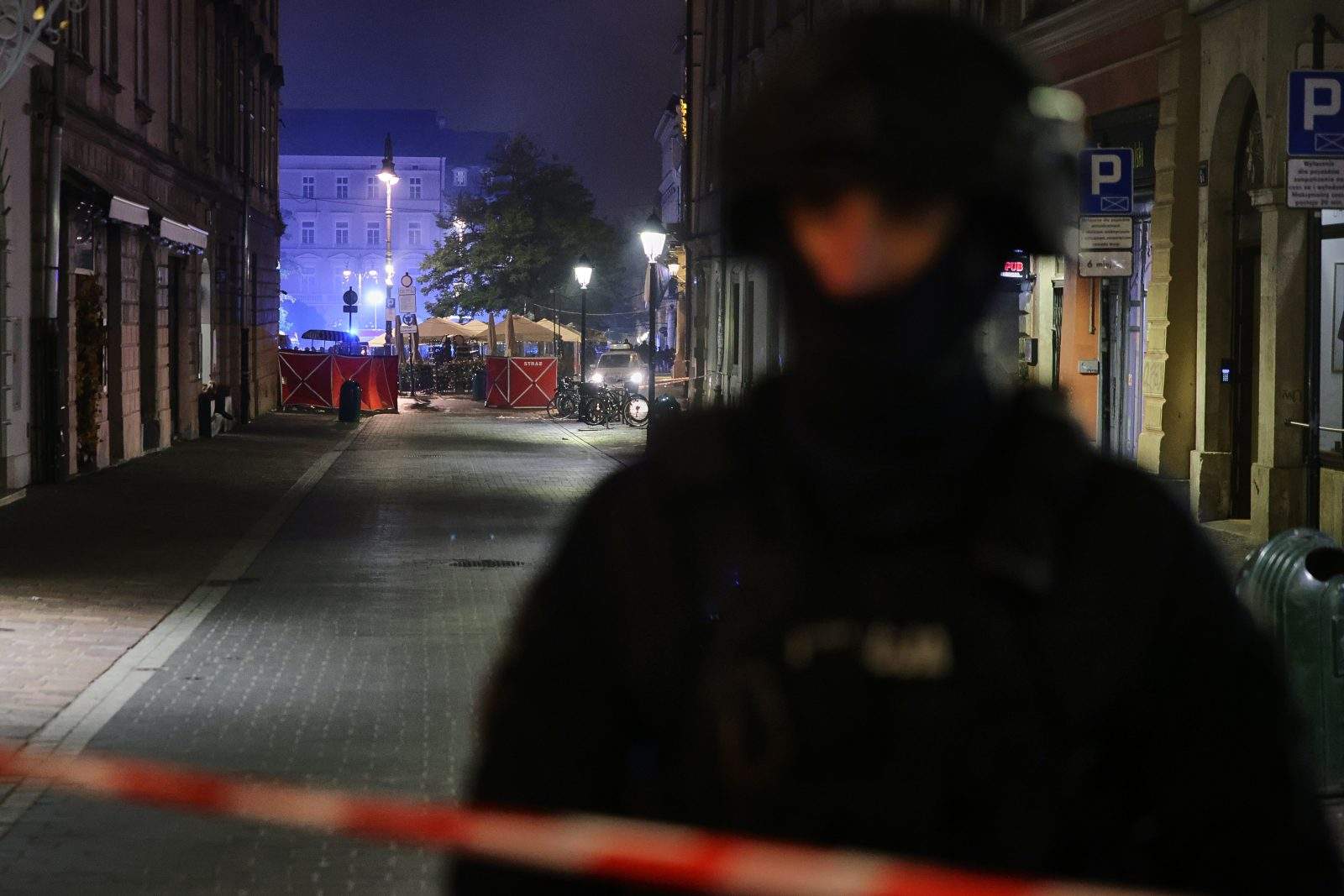
Let's look at what really happens behind the yellow crime scene tape when family members or cleaners make this horrifying discovery.
Why Families Find Hidden Remains During Estate Cleanouts
Most of these cases don't start with a police tip. They start with grief and cardboard boxes.
An elderly woman passes away, often living alone for years after a spouse dies or children move away. Relatives show up to clear out the house before putting it on the market. Someone opens a chest freezer in the basement or garage—usually an older, heavy-duty model that has been humming quietly in the corner since the 1970s or 1980s.
Tucked at the very bottom, wrapped in newspaper, plastic bags, or old towels, is a package that doesn't belong.
Why would someone keep a deceased infant in a freezer for thirty or forty years? Forensic psychologists and cold case detectives who have worked these exact scenarios point to severe, untreated trauma and isolation. Decades ago, before Safe Haven laws existed in places like the United States, or before accessible reproductive healthcare and mental health support became widespread, an unmarried woman or a mother in crisis faced intense social ruin.
Panic takes over. Denial sets in. Instead of burying the child or seeking help, the person places the remains in a freezer—a place of preservation—and simply locks the lid, mentally sealing off the event while life continues around that appliance for the next half-century.
It sounds unthinkable. It happens repeatedly. In documented cases from St. Louis, Missouri, to rural France and Germany, relatives cleaning out a deceased parent's home have uncovered infants stored in basement freezers for twenty, thirty, and even forty years.
The Forensic Nightmare of Thawing Decades-Old Evidence
Once the 911 call goes out and patrol cars block off the street, the medical examiner's office takes over. You might think freezing preserves evidence perfectly, like a prehistoric mammoth pulled from Siberian permafrost.
You'd be wrong.
Modern household freezers aren't scientific cryochambers. They go through defrost cycles. Power outages happen during summer storms. Over thirty years, repeated subtle temperature fluctuations cause severe freezer burn, dehydration, and cellular damage.
Forensic pathologists have to answer three critical questions before police can even classify the case as a homicide:
- Was the baby born alive? This is the hardest question in forensic pathology, especially after decades of freezing. Pathologists look for signs of air in the lungs or stomach, which would indicate the infant took a breath. Freezing and thawing destroy delicate lung tissue, often making it medically impossible to prove whether the baby was stillborn or died after birth.
- How long has the body been there? Detectives don't rely on tissue decay alone here. They examine the wrapping materials. A 1978 newspaper edition, a discontinued grocery store plastic bag, or a specific style of towel gives investigators an immediate timestamp for when the package was placed inside.
- Is there any sign of trauma? Skull fractures or physical injuries remain visible on X-rays and CT scans even after decades, allowing examiners to rule out or confirm blunt force trauma before a single incision is made.
How Detectives Investigate a Suspect Who Is Already Dead
When the homeowner is alive, police have someone to interview. When the homeowner just died, the investigation shifts entirely to genealogy, medical records, and surviving relatives.
First, investigators extract DNA from the infant's remains and compare it against the deceased homeowner. In many historic cases, the woman who owned the house turns out to be the biological mother. Sometimes, though, DNA reveals the baby belonged to another relative—perhaps a daughter who lived in the home decades earlier—or even an unrelated third party.
Detectives then build a timeline of everyone who lived at or had regular access to the property over the last forty years. They pull old census records, property deeds, and neighborhood interviews. Neighbors in their eighties often remember things nobody else noticed at the time, like a sudden weight change, a quiet hospital stay, or a relative who moved away abruptly in the late 1970s.
In the famous 2019 St. Louis case, a man cleaning out his late mother's apartment found a baby inside a cardboard box in her freezer—a box he had seen in there his entire life and assumed contained a wedding cake topper. DNA testing confirmed the infant was his sister, likely placed there nearly fifty years earlier.
Why These Cases Matter Even Without a Criminal Trial
People always ask the same question when a suspect is already deceased. Why spend taxpayer money on DNA testing, autopsies, and detective hours if nobody is going to prison?
Because closure isn't just for courtroom verdicts.
- Ruling out abducted children. Cold case units maintain national databases of missing infants and abducted newborns. Every unidentified baby found in a home must be checked against open missing-person files to ensure a grieving family out there isn't still waiting for answers about a kidnapped child.
- Identifying living victims or co-conspirators. If DNA proves the deceased homeowner wasn't the biological parent, investigators need to know who was, and whether a living person was harmed, coerced, or involved in covering up a crime.
- Giving the child a proper burial. Without an official investigation and death certificate, an unidentified infant remains a forensic case number in a storage facility. Completing the autopsy allows surviving family members—or the local community—to finally give the child a name and a dignified burial.
What You Should Do If You Ever Find Suspicious Remains
If you're ever tasked with clearing out an estate, an inherited home, or an abandoned storage unit, the shock of finding human remains—or anything that even remotely resembles remains—can freeze your judgment.
Stop touching everything immediately. Do not unwrap the bundle, do not try to thaw it, and do not move it out of the appliance. Disturbing the wrapping destroys trace evidence, fiber transfers, and historical packaging that detectives need to date the scene.
Step outside the room, keep everyone else out of the house, and call local law enforcement right away. Tell the dispatcher exactly what you found and where it is located so they can send both patrol officers and crime scene investigators rather than a standard emergency medical crew.
If you're handling an estate cleanout for an older relative, document the state of the home with photos before moving major appliances, and never throw away old newspapers, labels, or containers found near suspicious items. Those small, everyday details are often the exact clues forensic teams use to piece together a forty-year-old tragedy.